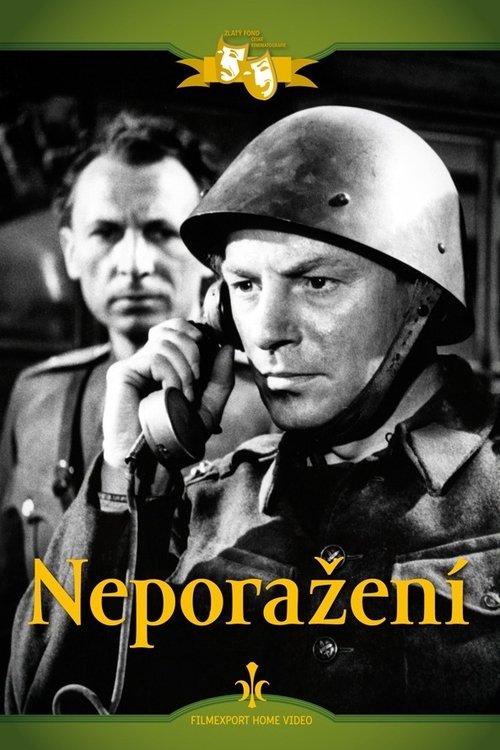
Neporažení
1956
No user ratings available yet
Representation score: 1.9 out of 10
Representation Score
Limited
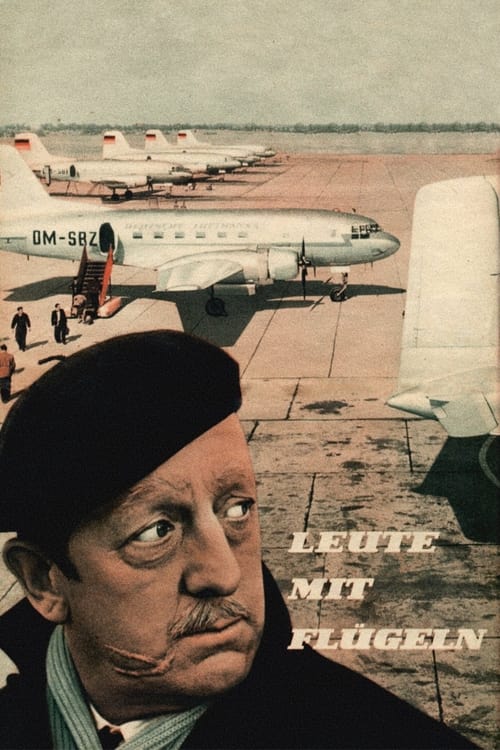
1960
Director
Konrad Wolf
Runtime
121 minutes
Average Rating
No ratings yetNew Showbiz Analysis
Konrad Wolf’s direction highlights the tension between personal ability to act and systemic social structures. The film effectively critiques capitalism and institutional power through the protagonist's unwavering communist beliefs. However, the work lacks contemporary markers of diversity. The narrative is confined by the social realism of its era, resulting in a homogeneous cast and limited representation of LGBTQ+ and diverse ethnic groups. Ultimately, the film explores class identity and political integrity. It prioritizes a structural examination of socialist community and resistance against state corruption over individualistic character development.
Category Breakdown
The film focuses on socio-political struggles and the tension between romanticism and collective duty. It does not include any representation of LGBTQ+ identities or same-sex intimacy.
Gender roles in the film align with the era's social expectations, emphasizing the protagonist's political role. The narrative does not significantly challenge traditional hierarchies, making gender secondary to class.
The cast is predominantly homogeneous, reflecting the localized, Eurocentric focus of the socialist realism movement. It does not feature a diverse range of ethnicities.
The film strongly critiques capitalist institutions and corporate corruption. It prioritizes collectivist values and systemic reform over Western individualistic models.
There is no significant representation of visible or invisible disabilities within the narrative.
Present on Screen
Limited or Absent
Official Synopsis
This film continues the story of radio operator Ludwig Bartuschek from “The Sailor’s Song”. Near the end of the Weimar Republic, Bartuschek (Erwin Geschonneck) is working as a mechanic in the Sperber airplane plant. Director Dehringer offers him the opportunity to train as an airplane constructor if he is willing to give up his communist beliefs under oath. Bartuschek will not allow himself to be bought and instead joins the underground resistance movement.
1956

1945
1960
1974
1950
1969

1976
1944
No reviews yet. Be the first to share your thoughts on this movie!
Use the rating form above to leave a star rating and optional review.