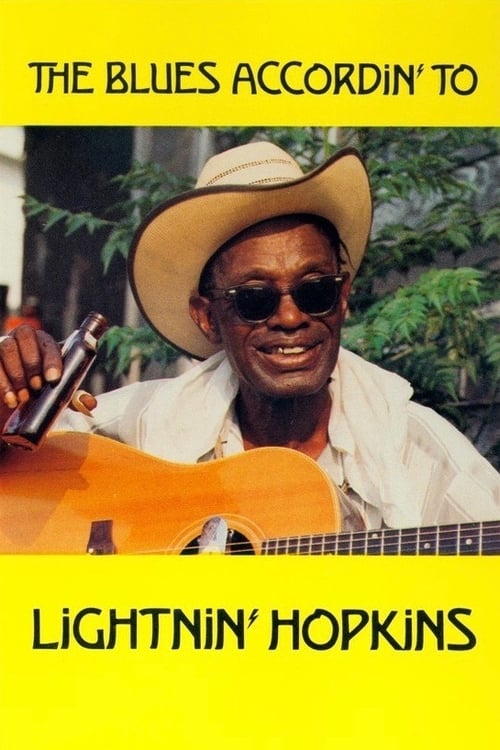
The Blues Accordin' to Lightnin' Hopkins
1968
No user ratings available yet
Diversity score: 5.1 out of 10
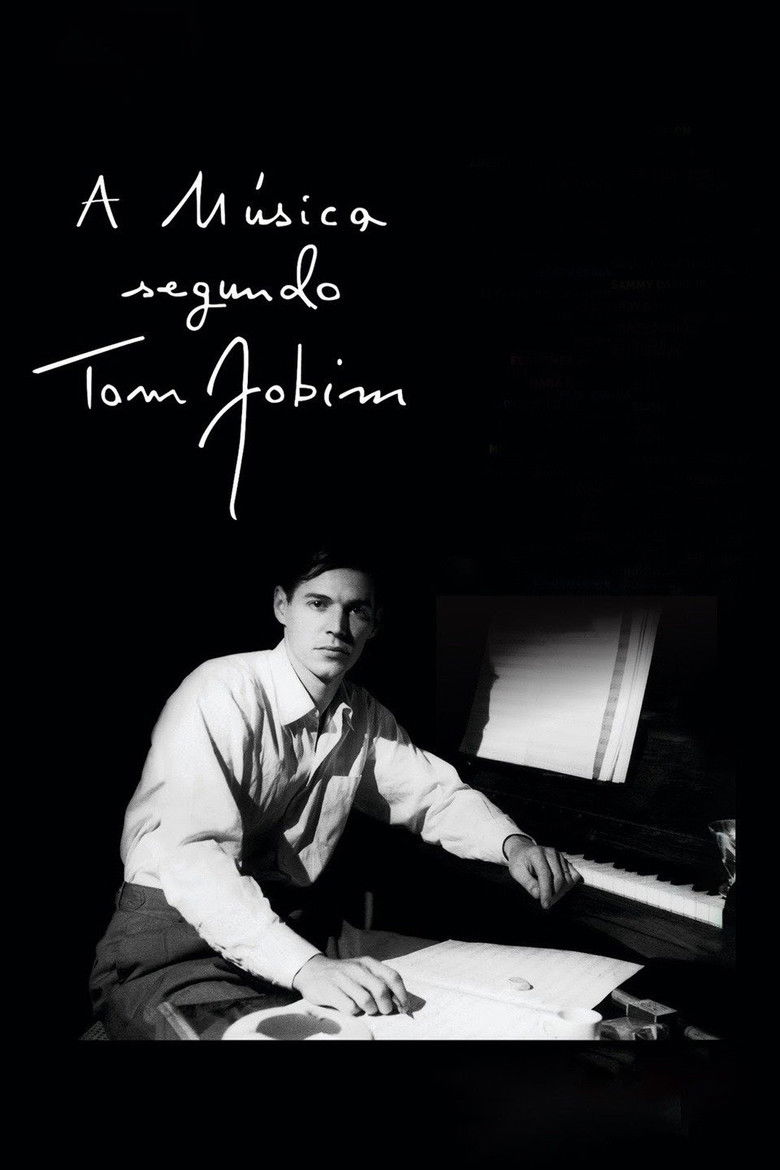
2012
Director
Nelson Pereira dos Santos, Dora Jobim
Runtime
84 minutes
Average Rating
No ratings yetSynopsis
Half a century ago, Brazilian composer and musician Antonio Carlos "Tom" Jobim (1927-1994) introduced bossa nova to a worldwide audience with "The Girl from Ipanema." This relaxed, cool, sensuous music blended jazz and samba. After recording an album of songs by his friend Jobim, Frank Sinatra is reported to have said, "I haven't sung so quietly since I had laryngitis." Naturally, "The Girl from Ipanema" and Frank Sinatra are featured in this musical collage of countless seamlessly edited excerpts of concert footage that cover decades of events all over the world: from Rio de Janeiro to Lisbon, Paris, Copenhagen, Jerusalem, Tokyo, Montreal, New York and back to Rio.
Overall Score
Limited
Category Breakdown
LGBTQ+ Representation
The film focuses on the professional and creative life of Tom Jobim. There are no discernible LGBTQ+ narratives or non-cisnormative identities present in the archival footage.
Gender Representation
Women contribute significantly through Dora Jobim's direction and essential female vocalists. However, the film maintains a traditional focus on creative partnerships rather than subverting gender hierarchies.
Racial & Ethnic Diversity
The documentary excels by centering Brazilian cultural identity and the synthesis of samba and jazz. It highlights a complex racial heritage that challenges Eurocentric musical monopolies.
Religious & Cultural Diversity
The film prioritizes a secular, artistic appreciation of culture. It celebrates a non-Western cultural export that reshaped Western sensibilities through emotional and musical truth.
Disability Representation
There are no visible or invisible disabilities portrayed with agency. No characters with disabilities are used as narrative devices within the footage.
Strengths
Areas for Improvement
AI Analysis
The documentary is a vibrant celebration of Brazilian musical identity and its global diffusion. It successfully elevates a non-Western tradition, showcasing how Bossa Nova moved from Rio to the world stage, effectively challenging Eurocentric musical standards. However, the film's scope is strictly biographical and musical. Because it functions as a tribute to Jobim's sonic legacy, it lacks the narrative intentionality to engage with broader social frameworks like queer identity or disability politics. Ultimately, while the film is culturally rich and avoids Western-centric biases in its subject matter, its narrow focus on professional musical history limits its intersectional depth.
1968

2018
2012
1993
1944
2002
2016
2017
1976

2000

2010

1992
No reviews yet. Be the first to share your thoughts on this movie!
Use the rating form above to leave a star rating and optional review.