Spare Time
1939
No user ratings available yet
Diversity score: 3.0 out of 10
1931
Director
Robert Flaherty
Runtime
21 minutes
Average Rating
No ratings yetSynopsis
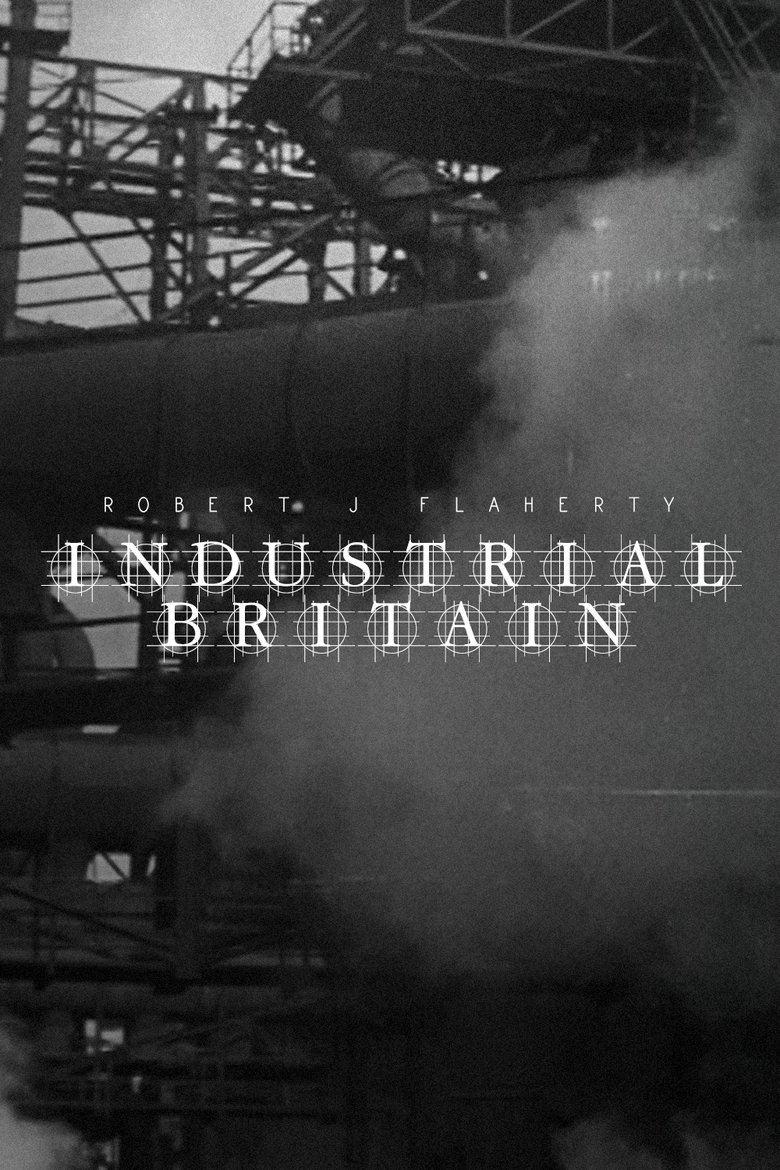
Grierson set out to make "propaganda," and this film--with it's voice-over proclaiming the great value of the British industrial worker, without a hint of ambiguity or doubt--fits that category well. The authoritatarian narrator feels out-of-date and unsophisticated, but the footage is well shot and interesting, and the transparency of the propaganda aspect is almost a reflief at a time when so many films have hidden agendas.
Overall Score
Limited
Category Breakdown
LGBTQ+ Representation
The film lacks any evidence of LGBTQ+ characters or narratives. It focuses on a collective industrial identity that historically prioritized traditional labor roles and heteronormative structures.
Gender Representation
The narrative centers on the industrial worker, a role characterized by masculine labor in the 1930s. This focus likely reinforces traditional hierarchies by marginalizing female agency within the industrial landscape.
Racial & Ethnic Diversity
The film reflects the homogeneous white population typical of the British domestic workforce in the early 1930s. There is no indication of non-Anglo-Saxon identities in the depicted roles.
Religious & Cultural Diversity
The film champions the laborer as a figure of great value, disrupting typical capitalist celebrations. This proto-collectivist sentiment critiques standard hierarchies through an authoritative voice-over.
Disability Representation
There is insufficient evidence to determine how disability is portrayed. It remains unclear if the film addresses the physical toll of labor or the presence of disabled workers.
Strengths
Areas for Improvement
AI Analysis
Industrial Britain serves as a historical artifact of early social documentary. While it makes a progressive move by celebrating the dignity of the working class over capital owners, it remains trapped in the social constraints of 1931. The film lacks intersectional complexity, offering a narrow view of the workforce. It operates within the traditional demographic frameworks of early 20th-century Britain, providing little representation for women or non-white identities. Ultimately, the work is a study of labor through a specific, authoritative lens. It succeeds in humanizing the worker but fails to provide a diverse or inclusive portrait of society.
1939
1929

1936
1945

1931
1945

2015
1945
1967

1927
1963
1942
No reviews yet. Be the first to share your thoughts on this movie!
Use the rating form above to leave a star rating and optional review.