
And There Was No More Sea
1955
No user ratings available yet
Representation score: 0.5 out of 10
Representation Score
Limited
1963
Director
Bert Haanstra
Runtime
90 minutes
Average Rating
No ratings yetNew Showbiz Analysis
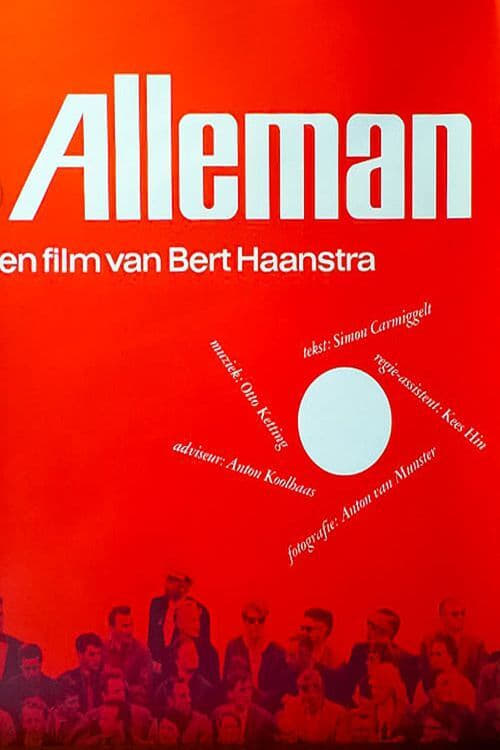
Bert Haanstra’s documentary captures the rhythm of daily life in the Dutch working class during the post-war reconstruction era. It effectively documents the collective human experience through an observational style but remains tied to the social norms of 1963. The film emphasizes the repetitive nature of labor, resulting in a depiction of society that is largely uniform and traditional. It reflects the demographic and social structures of the time without attempting to challenge them. Overall, the film serves as a snapshot of a specific cultural moment, documenting the 'everyday person' through a lens that focuses on the established social hierarchies of the period.
Category Breakdown
The film focuses on mid-century Dutch society and does not include any LGBTQ+ characters or non-straight gender expressions.
The documentary highlights the gender divisions of labor from the early 1960s, showing traditional gender roles without challenging male authority or female independence.
The cast mainly consists of people from similar backgrounds, reflecting the demographics of the Netherlands in 1963. The focus is on the Dutch working class during post-war rebuilding.
The film presents a society in transition with a secular tone, avoiding strong religious or political views in its portrayal of everyday life.
The subjects are primarily shown as able-bodied individuals participating in industrial and social activities. There is no significant focus on characters with disabilities.
Present on Screen
Limited or Absent
Official Synopsis
Bert Haanstra paints a portrait of The Netherlands and the Dutch, in his own unparalleled manner. Partly with the aid of a hidden camera he observes people in the most diverse situations. He shows the unusual in the usual and the usual in the unusual. The harsh years of the post war era of reconstruction have passed and for most people life is better than before.
1955

1961

1983

1929
1966

2017

1973

1945
No reviews yet. Be the first to share your thoughts on this movie!
Use the rating form above to leave a star rating and optional review.