
The Flying Scotsman: A Rail Romance
2013
No user ratings available yet
Diversity score: 2.2 out of 10
1967
Director
Geoffrey Jones
Runtime
14 minutes
Average Rating
No ratings yetSynopsis
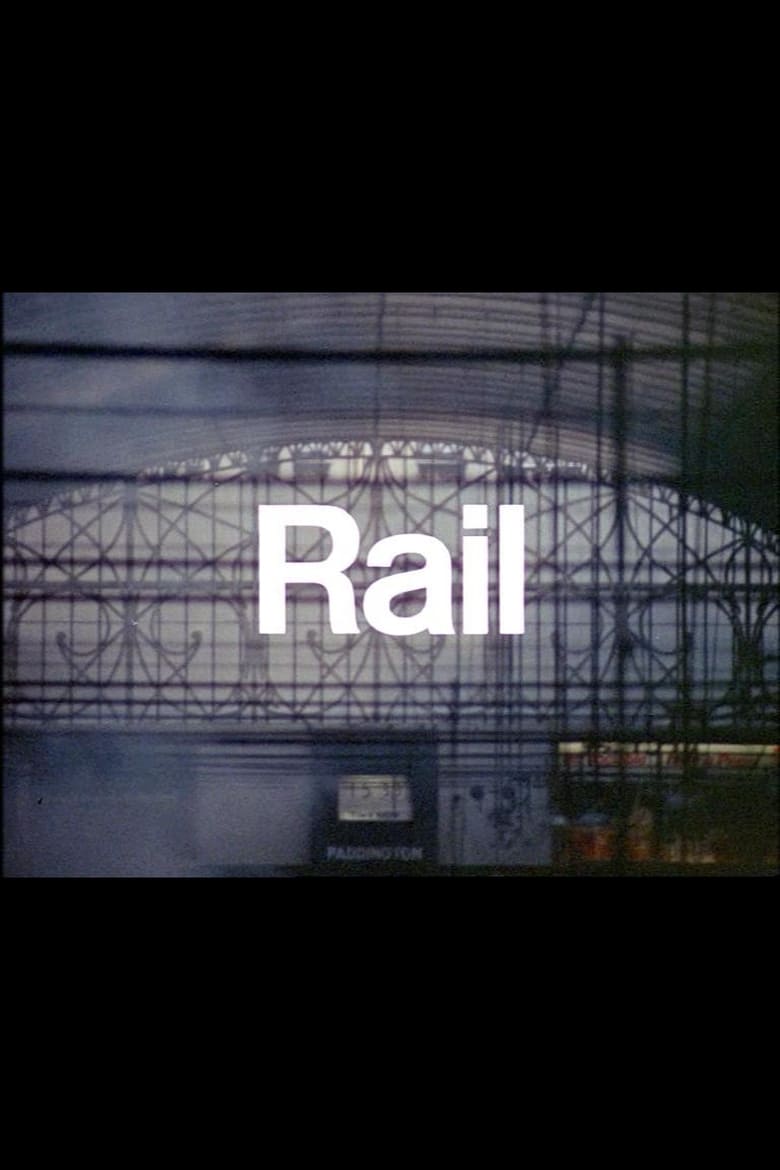
"Rail" captures British Railways at a major turning-point in its history. In certain respects, this was a period of considerable upheaval and loss. There was a facing-up to the increasing need for a big modernisation drive. Full and speedy electrification, or the wider promotion of diesel-power on remaining lines, became a matter of top priority. Geoffrey Jones recorded a rapidly disappearing world of everyday steam travel, with its labour-intensive rail workforce : some of the footage in "Rail" (recognisable from "Snow") dates from around 1962. (IMDb)
Overall Score
Limited
Category Breakdown
LGBTQ+ Representation
The film functions as a technical and observational documentary regarding the British Railways system. There are no queer narratives or explorations of non-heteronormative identities present.
Gender Representation
The workforce depicted is overwhelmingly male, reflecting the historical reality of the 1960s industrial sector. The film lacks agency for female characters within this male-dominated lens.
Racial & Ethnic Diversity
The film documents a largely homogeneous workforce consistent with the mid-1960s era. There is no evidence of significant racial blending or diverse casting.
Religious & Cultural Diversity
This study of institutional change within a Western framework observes the evolution of British Railways. It prioritizes historical record over the deconstruction of social hierarchies.
Disability Representation
There is no discernible evidence regarding the portrayal of physical or neurodivergent disabilities within the industrial footage.
Strengths
Areas for Improvement
AI Analysis
Rail serves as a temporal archive of British Railways during a period of massive industrial modernization. The film focuses on the transition from steam to diesel and electric power, prioritizing technical and sociological documentation of labor. Because the subject matter is strictly industrial, the film reflects the demographic status quo of the 1960s. This results in a workforce that is almost entirely male and racially homogeneous, lacking any intentional social subversion or intersectional representation. Ultimately, the documentary captures a disappearing world of steam travel through a traditional lens. It functions as a historical record of infrastructure rather than a vehicle for exploring diverse social identities.
2013

2015
1939
1958
1958

1979

1960

1927
1896
1976

1980
1904
No reviews yet. Be the first to share your thoughts on this movie!
Use the rating form above to leave a star rating and optional review.