Working on the Douro River
1931
No user ratings available yet
Diversity score: 2.7 out of 10
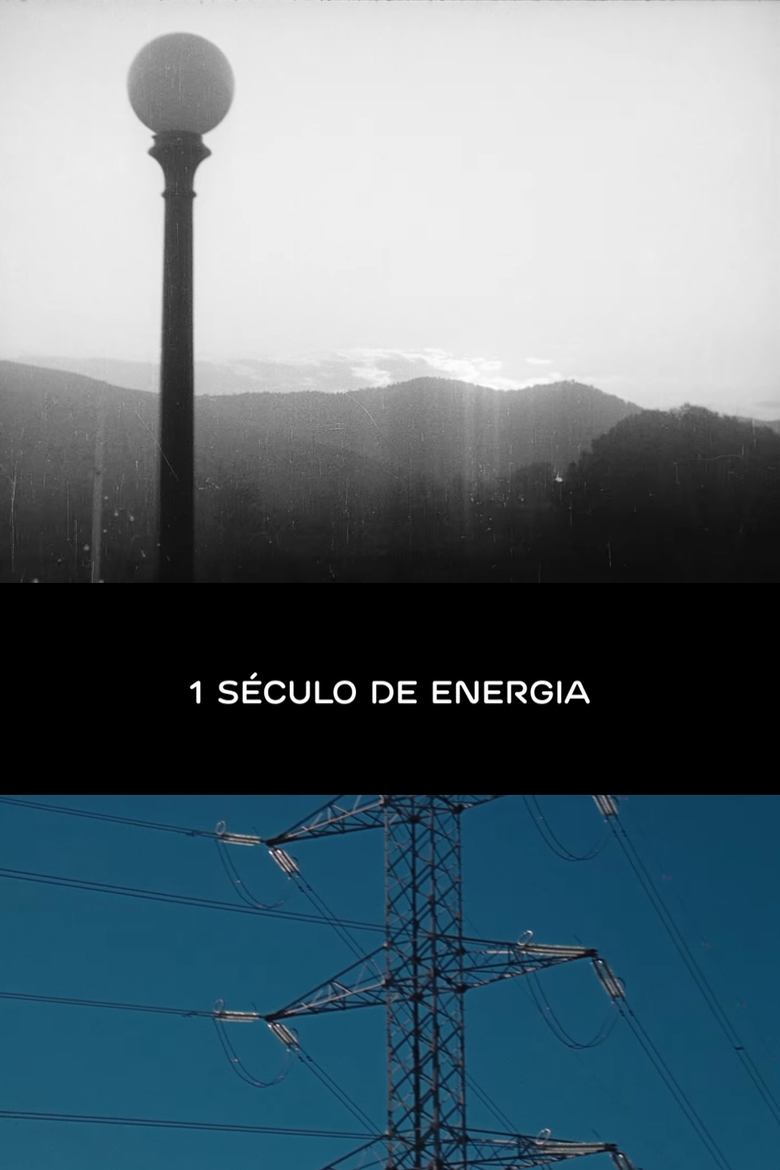
2015
Director
Manoel de Oliveira
Runtime
15 minutes
Average Rating
No ratings yetSynopsis
Manoel de Oliveira's final work revisits one of his earliest films and celebrates a century of industrialization in Portugal.
Overall Score
Limited
Category Breakdown
LGBTQ+ Representation
The documentary focuses on systemic and technological evolution rather than interpersonal narratives. There are no LGBTQ+ character arcs or stories addressing non-heteronormative identities.
Gender Representation
The film maintains a neutral stance regarding gender. It reflects the traditional hierarchies of the industrial era without providing evidence of female agency or the subversion of gender roles.
Racial & Ethnic Diversity
The work centers on a specific European historical context. It lacks intersectional racial narratives, reflecting the likely homogeneity of the industrial subject matter being studied.
Religious & Cultural Diversity
The narrative prioritizes a critique of industrialization and capitalism. It examines the transformation of the state and the passage of time through a lens of systemic change.
Disability Representation
There is no documented evidence of subjects with visible or invisible disabilities serving as central narrative components within this documentary.
Strengths
Areas for Improvement
AI Analysis
Manoel de Oliveira’s final work serves as a historical meditation on Portugal's industrialization. Because the film functions as a formalist exploration of energy and systemic change, it lacks the character-driven structures necessary for traditional representation metrics. The documentary prioritizes the mechanics of progress over social archetypes. Consequently, it does not actively employ contemporary narrative tools to drive intersectional representation or subvert social hierarchies. Ultimately, the film's value is intellectual and historical. It examines the evolution of the Portuguese landscape and the passage of time rather than focusing on diverse human identities.
1931

2015

2021

2011
2001

2010

2010
1970
2018
2014
1936
1993
No reviews yet. Be the first to share your thoughts on this movie!
Use the rating form above to leave a star rating and optional review.