Listen to Britain
1942
No user ratings available yet
Representation score: 0.5 out of 10
Representation Score
Minimal
1945
Director
Humphrey Jennings
Runtime
39 minutes
Average Rating
No ratings yetNew Showbiz Analysis
Humphrey Jennings' documentary offers a lyrical portrayal of the British working class during the final stages of World War II. It excels in capturing the dignity and resilience of communal life during wartime. However, the film adheres to the traditional social frameworks of 1945, focusing on national cohesion rather than challenging established hierarchies. While it provides a rich historical record of social duty, it lacks representation for LGBTQ+ individuals, diverse ethnic groups, and non-traditional gender roles.
Category Breakdown
The film does not include any LGBTQ+ characters or non-assuming gender matches what was assigned at birth identities. It follows the social norms of 1940s Britain closely.
Women are shown in roles related to civil defense and factory work. However, these roles reinforce wartime gender hierarchies rather than challenge them.
The film depicts a mostly Anglo-Saxon population with a range of socioeconomic statuses. It lacks significant racial or ethnic diversity.
The film highlights a secular, shared human experience of endurance. It emphasizes national resilience and the importance of the family unit.
There are no specific depictions of visible or invisible disabilities that play a central role in the narrative.
Present on Screen
Limited or Absent
Official Synopsis
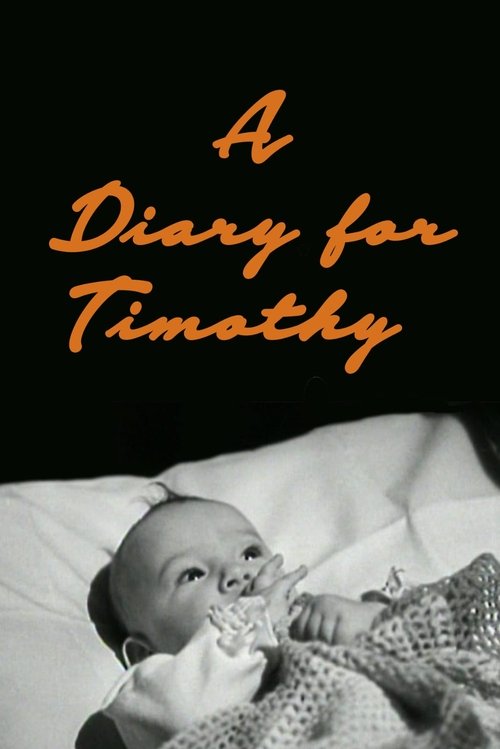
A narrator recounts the state of Great Britain near the end of WWII via a visual diary for the titular baby boy born in September 1944.
1942

1927

1946

1935

1939
1998

1938
1941
No reviews yet. Be the first to share your thoughts on this movie!
Use the rating form above to leave a star rating and optional review.