Post-Haste
1934
No user ratings available yet
Representation score: 1.1 out of 10
Representation Score
Limited
1939
Director
Humphrey Jennings
Runtime
15 minutes
Average Rating
No ratings yetNew Showbiz Analysis
Humphrey Jennings' documentary highlights the dignity found in the leisure of coal, steel, and cotton workers, providing a unique sociological perspective on 1930s industrial life. However, the film reflects the homogeneous demographics and rigid social structures of pre-war Britain, lacking modern multi-layered depth. While it challenges class-based narratives, it does not engage with broader social issues related to race, gender, or LGBTQ+ identities.
Category Breakdown
The film does not include any LGBTQ+ characters or stories. It focuses on the communal leisure activities of the 1930s laboring population.
The film follows traditional gender roles in labor and leisure typical of 1939 Britain. It does not challenge the existing gender hierarchy.
The subjects appear largely homogeneous, reflecting the demographics of British industrial centers during the pre-war era. There is no significant non-Anglo-Saxon representation.
Jennings disrupts elite-focused narratives by centering the proletariat's leisure. This emphasis on the dignity of common laborers offers a subtle critique of economic utility.
There is no sufficient evidence regarding the depiction of individuals with visible or invisible disabilities. The focus remains on collective industrial leisure.
Present on Screen
Limited or Absent
Official Synopsis
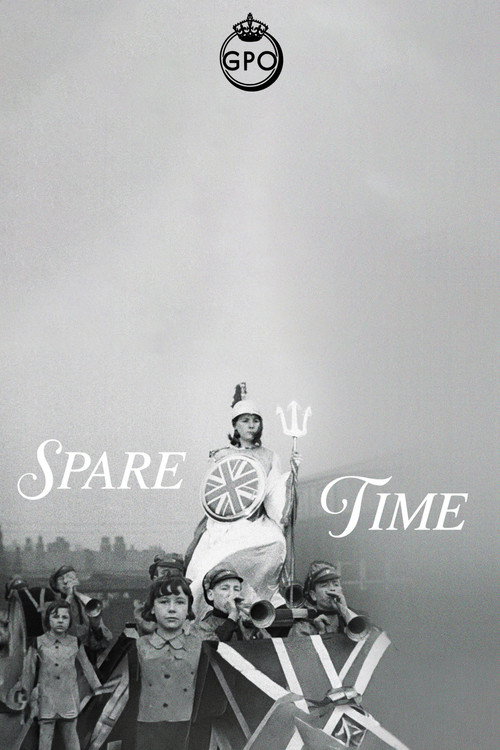
Spare Time is a 1939 British film directed by Humphrey Jennings for the GPO Film Unit, and made for the 1939 New York World's Fair. It is 15 minutes long and documents the leisure activities of workers in the coal, steel, and cotton industries in Sheffield, Bolton, Manchester and Pontypridd. Commentary is provided by Laurie Lee.
1934

1927

1939

1929

1938

1941

1938

1950
No reviews yet. Be the first to share your thoughts on this movie!
Use the rating form above to leave a star rating and optional review.