
Poppy
1935
No user ratings available yet
Representation score: 4.6 out of 10
Representation Score
Fair
1951
Not RatedDirector
Kenji Mizoguchi
Runtime
94 minutes
Average Rating
No ratings yetNew Showbiz Analysis
Kenji Mizoguchi’s direction offers a nuanced critique of systemic gender oppression. The film highlights women's ability to drive the story as Oyu navigates restrictive social hierarchies to meet her emotional needs. While it provides a unique non-Western perspective, it remains ethnically homogeneous and lacks explicit LGBTQ+ identities or disability representation. Ultimately, the film is a character-driven exploration of how individuals balance personal desires with traditional social and familial expectations.
Category Breakdown
The film doesn't show explicit LGBTQ+ identities, but it does explore unconventional domestic arrangements that challenge typical romantic expectations.
Oyu is a strong protagonist who takes control of her situation by strategically planning a marriage to navigate the restrictions of widowhood and patriarchal rules.
This Japanese film offers a non-Western perspective that deviates from the usual Anglo-Saxon narratives. It focuses on local social duties and family structures.
The story emphasizes personal relationships over strict social institutions. It questions traditional family norms by highlighting the burdens of family duty and societal obligations.
There are no visible or invisible disabilities shown in the film.
Present on Screen
Limited or Absent
Official Synopsis
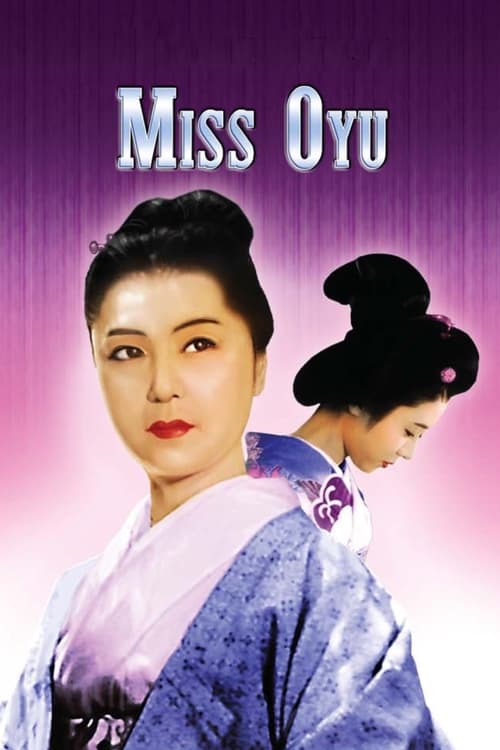
Shinnosuke is introduced to Shizu as a prospective marriage partner, but he falls in love with her widowed sister Oyu. Convention forbids Oyu to marry because she has to raise her son as the head of her husband's family. Oyu convinces Shinnosuke and Shizu to marry so that she can remain close to Shinnosuke.
1935

1954
1949
1955
1969

1952
1950
1967
No reviews yet. Be the first to share your thoughts on this movie!
Use the rating form above to leave a star rating and optional review.