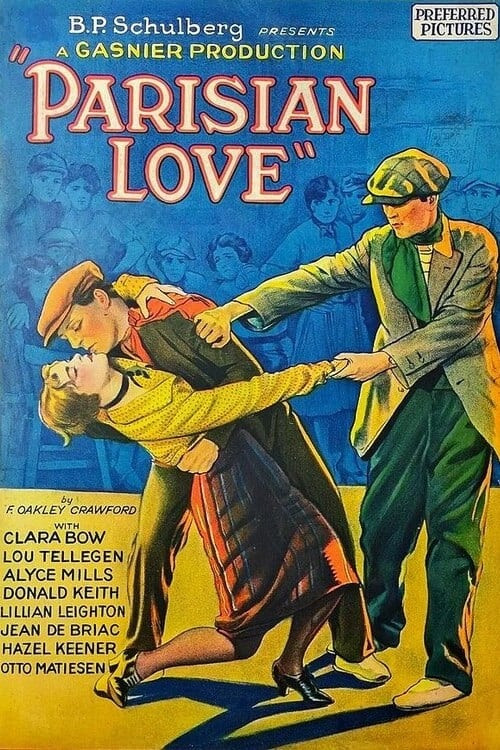
Parisian Love
1925
No user ratings available yet
Diversity score: 3.3 out of 10
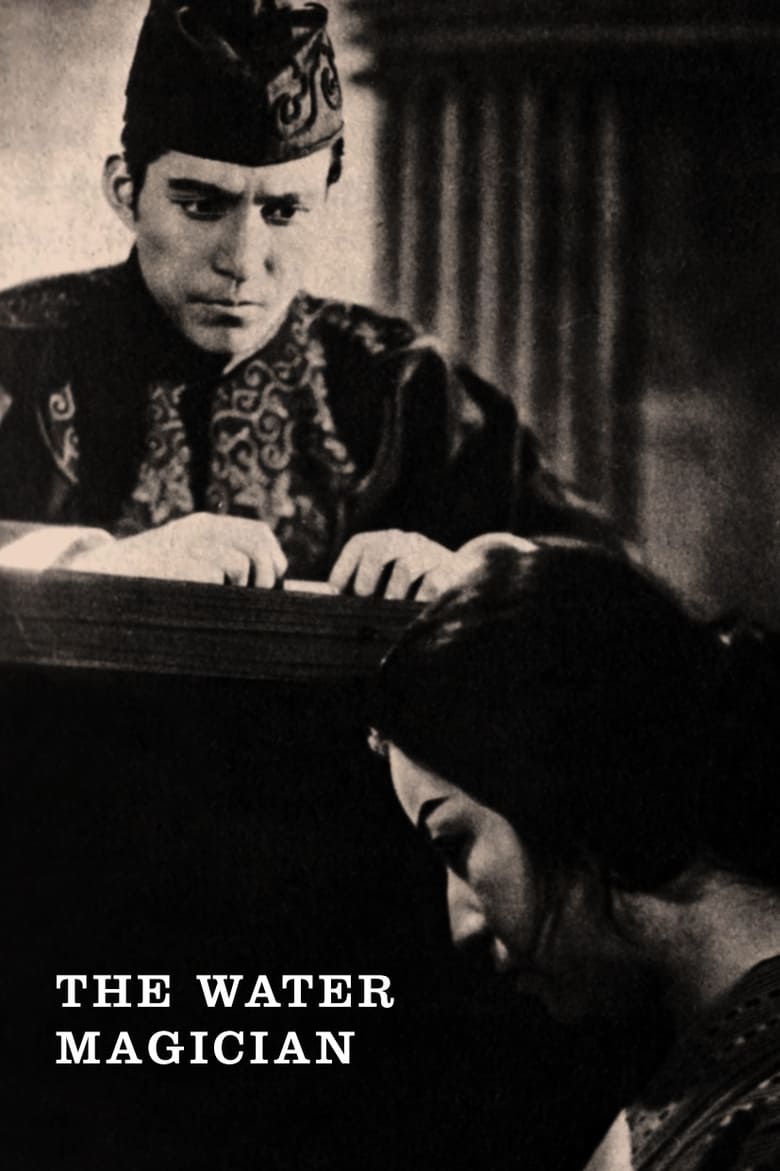
1933
Director
Kenji Mizoguchi
Runtime
99 minutes
Average Rating
No ratings yetSynopsis
Taki no Shiraito is a very independent young woman with a famous water juggling act in a travelling carnival troupe. She falls in love with an orphaned carriage driver Kinya Murakoshi, and pledges to put him through law school in Tokyo. She always encloses money in her letters to him, until one hard winter there is no work to be found.
Overall Score
Good
Category Breakdown
LGBTQ+ Representation
The story centers on a heteronormative romance between Taki and Kinya. While it lacks explicit non-cisnormative identities, it emphasizes emotional autonomy over rigid social archetypes.
Gender Representation
Taki subverts traditional hierarchies by acting as the primary economic driver. She uses her professional skills to fund Kinya’s legal education, placing her in a position of financial authority.
Racial & Ethnic Diversity
This Japanese production avoids Western-centric homogeneity. While the cast is ethnically homogeneous, the film explores nuanced internal social stratifications and class identities within Japan.
Religious & Cultural Diversity
The film critiques systemic economic hardship and the instability of itinerant life. It frames character survival against unforgiving environmental realities and social structures that fail the working class.
Disability Representation
There is no evidence of characters with visible or invisible disabilities driving the narrative.
Strengths
Areas for Improvement
AI Analysis
Mizoguchi’s film is a sophisticated study of gender agency that disrupts the traditional 'damsel' trope. By positioning a woman as the architect of a man's social mobility, the narrative challenges early 20th-century patriarchal norms. The film also provides a grounded look at class struggles. It uses the instability of traveling performers and the harshness of economic reality to critique the social structures of the era. While the cast remains ethnically homogeneous, the film's cultural specificity offers a departure from the era's typical Western-centric storytelling patterns.
1925
1937

1939
1949
No reviews yet. Be the first to share your thoughts on this movie!
Use the rating form above to leave a star rating and optional review.