
Marked Woman
1937
No user ratings available yet
Diversity score: 3.2 out of 10
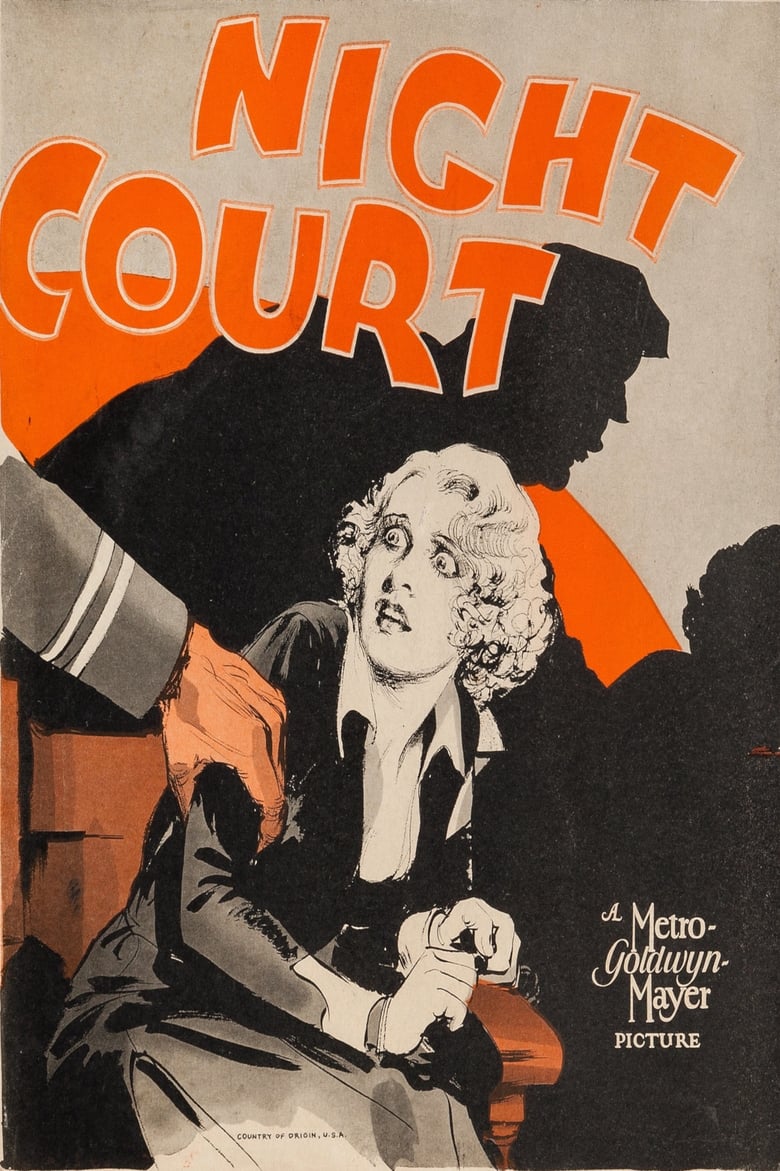
1932
Director
W.S. Van Dyke
Runtime
92 minutes
Average Rating
No ratings yetSynopsis
A corrupt night court judge tears an innocent young family apart in his efforts to elude a special prosecutor.
Overall Score
Limited
Category Breakdown
LGBTQ+ Representation
The film contains no LGBTQ+ characters or themes of non-cisnormative identity. The story focuses entirely on legal and moral conflicts regarding judicial corruption.
Gender Representation
Joan Blondell provides meaningful representation by utilizing wit and verbal agency. Her character navigates a male-dominated legal environment, offering a perspective that disrupts traditional hierarchies.
Racial & Ethnic Diversity
The cast appears largely homogeneous, with no evidence of significant racial or ethnic diversity. The narrative prioritizes socioeconomic distinctions over racial intersectionality.
Religious & Cultural Diversity
The film critiques Western legal institutions by portraying the judiciary as a site of systemic dysfunction. It views traditional authority with skepticism through its depiction of a corrupt judge.
Disability Representation
There is no evidence of characters with visible or invisible disabilities. Disability is not utilized as a plot device within the narrative.
Strengths
Areas for Improvement
AI Analysis
Night Court is a pre-Code crime drama that finds its strength in its era-specific character agency. While it lacks modern intersectional depth, it avoids some of the more submissive female tropes common in 1930s cinema. The film's primary contribution to diversity is its gender dynamics, specifically through Joan Blondell's sharp, capable character. However, the production remains limited by a lack of racial and LGBTQ+ representation. Ultimately, the film functions as a genre-driven critique of authority. It succeeds in questioning the integrity of legal institutions but remains anchored in the homogeneous casting typical of early MGM productions.
1937
1939
1945
1939
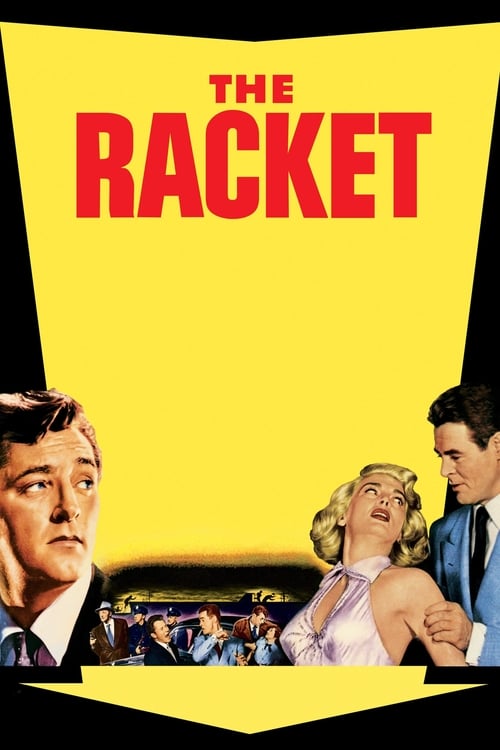
1951
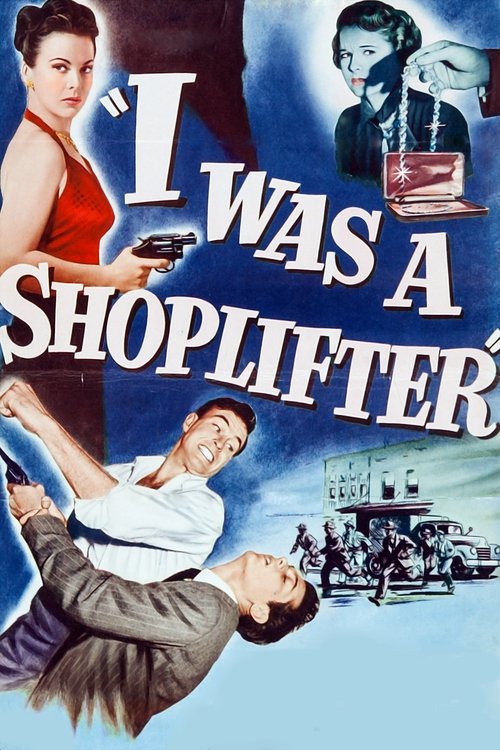
1950
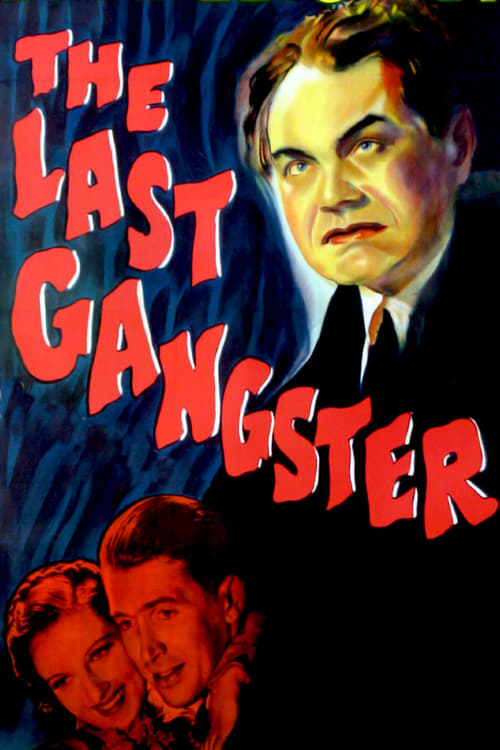
1937
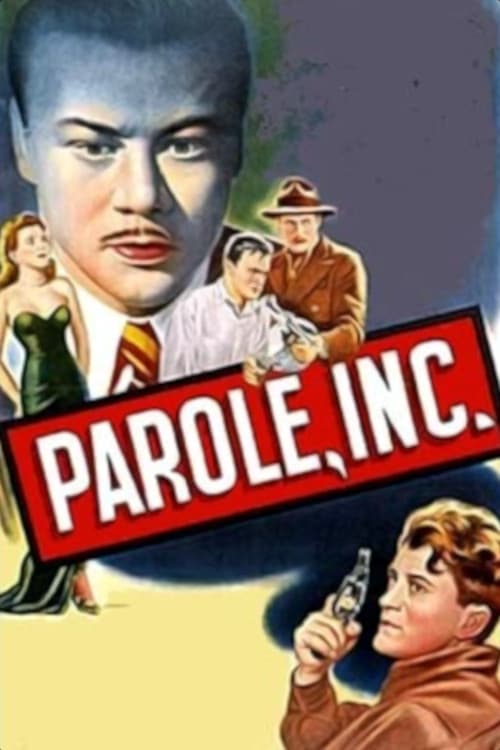
1948
1950
1950
1933
No reviews yet. Be the first to share your thoughts on this movie!
Use the rating form above to leave a star rating and optional review.