Night Court
1932
No user ratings available yet
Representation score: 2.1 out of 10
Representation Score
Minimal
1939
NRDirector
William Keighley
Runtime
92 minutes
Average Rating
No ratings yetNew Showbiz Analysis
Each Dawn I Die is a standard genre piece that reinforces the social, gender, and racial hierarchies of its era. It functions as a conventional portrayal of justice and authority typical of late-1930s American cinema. The film lacks the narrative structure needed to challenge or disrupt the status quo. Instead, it relies on established studio system frameworks and genre-standard clichés of heroism. Ultimately, the work provides a homogeneous view of society, offering little representation for underrepresented identities or systemic critiques.
Category Breakdown
The film does not include any visible or implied LGBTQ+ characters. It follows traditional romantic and social structures typical of 1930s cinema.
The narrative focuses almost entirely on male characters, with female roles limited to supporting capacities. This reinforces conventional gender hierarchies and roles.
The cast lacks significant racial diversity, reflecting the era's production constraints. The story focuses on a homogeneous social structure without non-Anglo-Saxon perspectives.
The film adheres to traditional Western institutional values. It uses frontier justice clichés rather than critiquing capitalism, religion, or systemic patriotism.
There are no discernible depictions of physical or neurodivergent disabilities. No character arcs are defined by disability.
Present on Screen
Limited or Absent
Official Synopsis
A corrupt D.A. with governatorial ambitions is annoyed by an investigative reporter's criticism of his criminal activities and decides to frame the reporter for manslaughter in order to silence him.
1932
1942
1935

1940
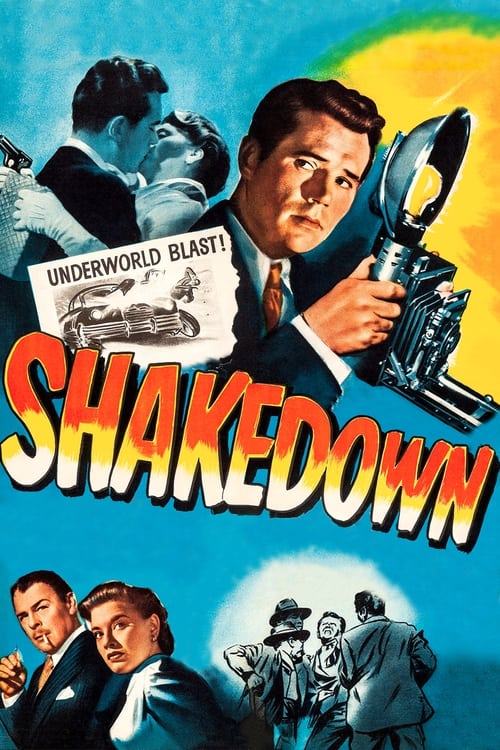
1950
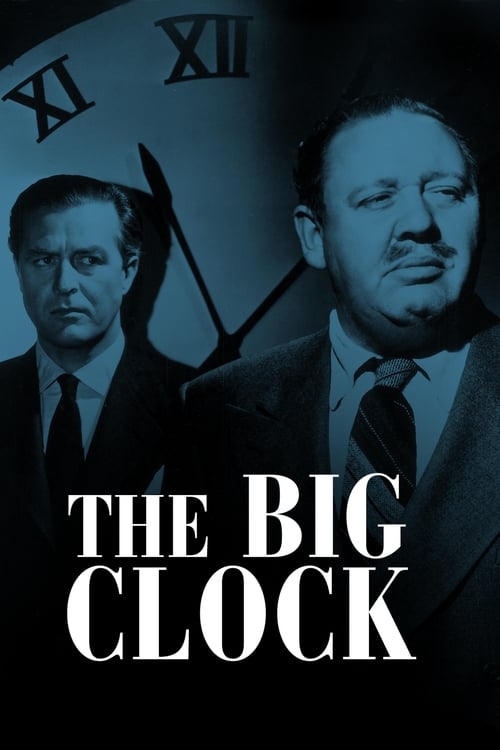
1948
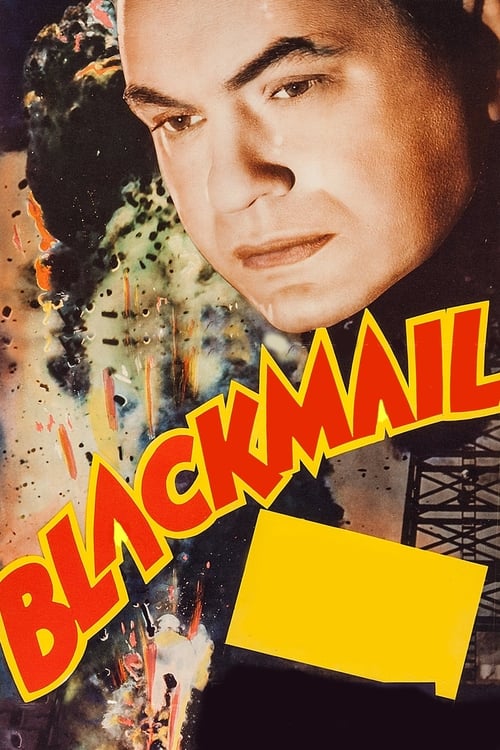
1939
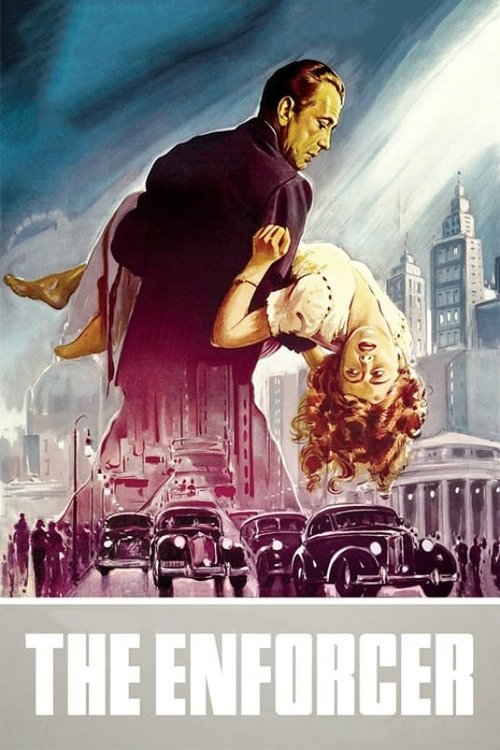
1951
No reviews yet. Be the first to share your thoughts on this movie!
Use the rating form above to leave a star rating and optional review.