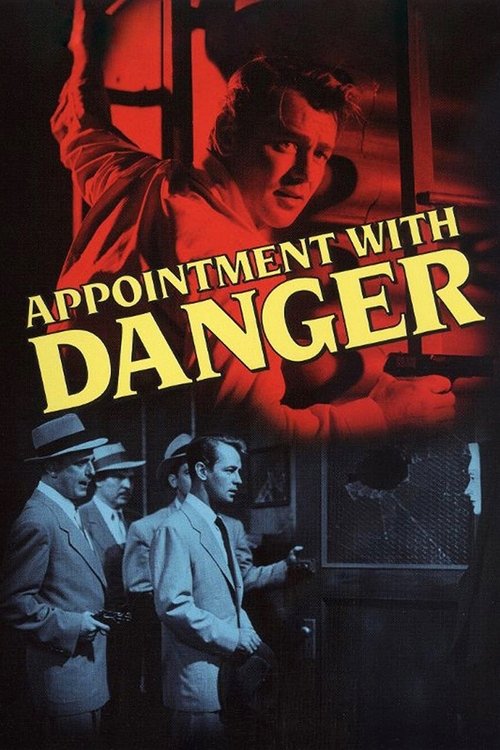
Appointment with Danger
1950
No user ratings available yet
Diversity score: 1.3 out of 10
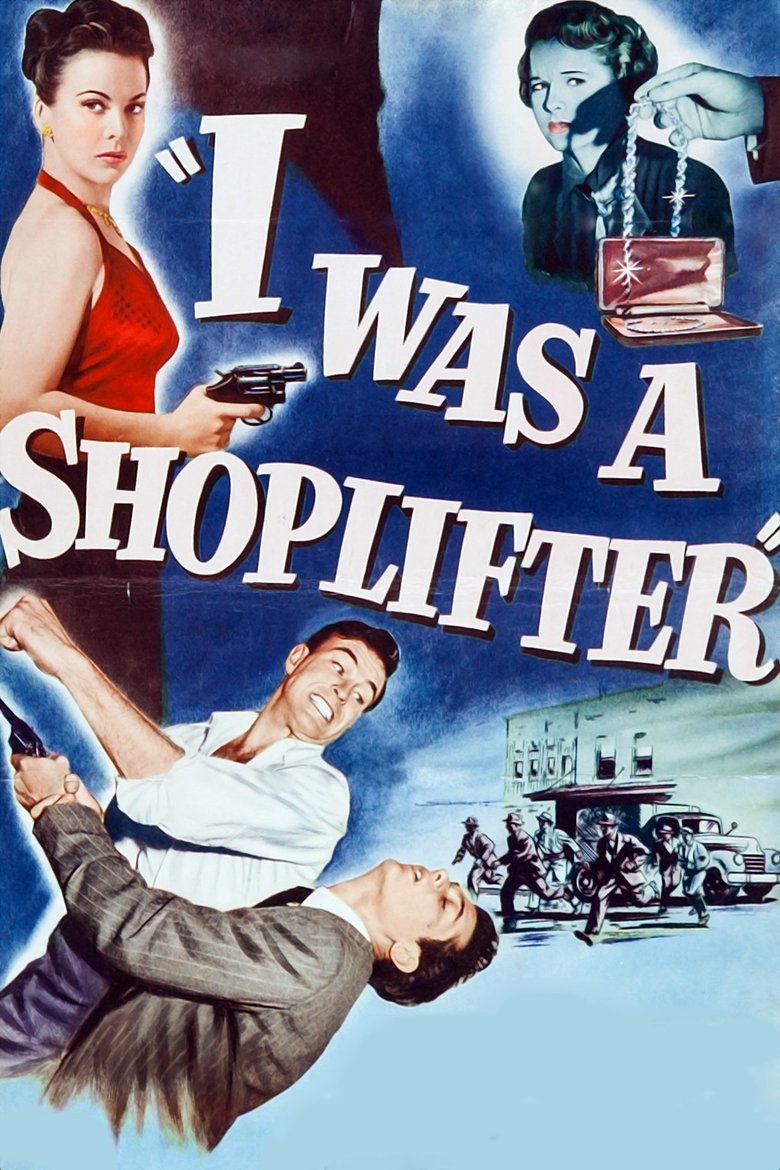
1950
NRDirector
Charles Lamont
Runtime
74 minutes
Average Rating
No ratings yetSynopsis
In 1950s California, the police force tries to infiltrate and neutralize a shoplifting crime ring operating in major department stores.
Overall Score
Minimal
Category Breakdown
LGBTQ+ Representation
The film lacks any evidence of non-heteronormative identities. It appears to adhere to the strict cisnormative and heteronormative social frameworks typical of its era.
Gender Representation
The narrative centers on a police detective hunting a gang, which relies on traditional masculine archetypes. This suggests a reinforcement of conventional gender roles and hierarchies.
Racial & Ethnic Diversity
The film likely utilizes a homogeneous cast centered on Western, Anglo-Saxon perspectives. There is no indication of significant intersectional depth or diverse casting.
Religious & Cultural Diversity
The plot prioritizes the efficacy of the legal system and property rights. This reflects a conservative adherence to mid-century Western social values and institutional stability.
Disability Representation
There is no evidence of neurodivergent or physically disabled characters possessing agency. Such roles were often relegated to peripheral tropes during this period of filmmaking.
Strengths
Areas for Improvement
AI Analysis
I Was a Shoplifter functions as a traditional mid-century procedural that prioritizes the restoration of social order. The narrative architecture focuses on a detective using any means necessary to apprehend criminals, reinforcing the authority of the legal system. The film lacks intersectional complexity, adhering to the standard genre tropes of 1950. It serves as a baseline example of studio-era filmmaking that maintains conventional social hierarchies rather than subverting them. Overall, the production reflects the era's commitment to institutional stability and homogeneous casting, offering little representation for marginalized identities or diverse cultural perspectives.
1950

1957
1965
1946
1956
1945
1949
1955
1957
1950

1949
1949
No reviews yet. Be the first to share your thoughts on this movie!
Use the rating form above to leave a star rating and optional review.