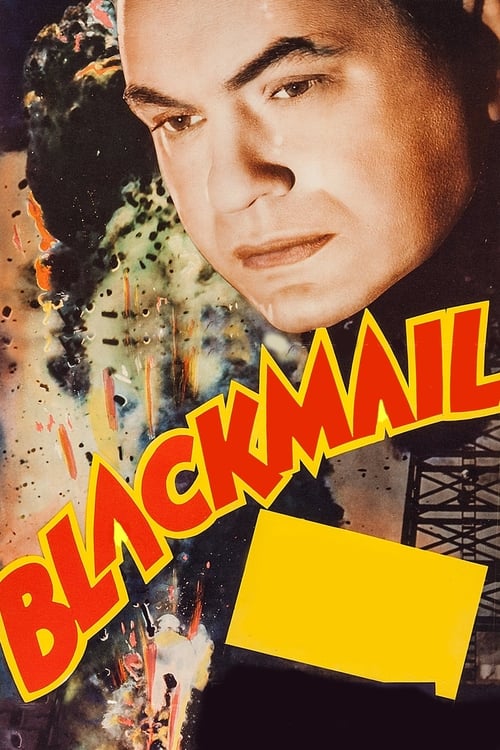
Blackmail
1939
No user ratings available yet
Representation score: 0.4 out of 10

Representation Score
Limited
1937
NRDirector
Lloyd Bacon
Runtime
96 minutes
Average Rating
No ratings yetNew Showbiz Analysis
Marked Woman stands as a character-driven crime drama that challenges traditional gender clichés. By centering a woman who play a significant role in driving the story who must navigate systemic corruption, the film moves beyond the typical helpless-victim archetype common in the genre. However, the film is constrained by the demographic norms of 1937. The lack of racial, LGBTQ+, and disability representation creates a narrow social lens reflecting the homogeneous casting standards of the era. Ultimately, while the protagonist's struggle against a patriarchal underworld offers progressive value, the film remains a product of its time, lacking broader systemic critique or diverse multi-layered identities.
Category Breakdown
The film does not include any identifiable LGBTQ+ characters or non-assuming gender matches what was assigned at birth identities. The social landscape adheres strictly to the conventional gender and sexual binaries of the 1930s.
Bette Davis’s character challenges expectations of female passivity through a significant role in driving the story. She drives the plot by navigating a male-dominated criminal landscape with intellect and proactive survival instincts.
The narrative focuses almost exclusively on a white, urban population within Manhattan. There is a notable lack of racial or ethnic diversity among the primary cast members.
The film explores situational ethics and questions the reliability of institutional authority. It portrays the justice system as an obstacle to personal truth rather than an absolute moral arbiter.
There are no visible or invisible disabilities portrayed within the narrative. Characters with disabilities are not used as plot devices in this story.
Present on Screen
Limited or Absent
Official Synopsis
In the underworld of Manhattan, a woman dares to stand up to one of the city's most powerful gangsters.
1939

1932
1931
1937
1950
1948
1950

1953
No reviews yet. Be the first to share your thoughts on this movie!
Use the rating form above to leave a star rating and optional review.