
Guns Girls and Gangsters
1959
No user ratings available yet
Diversity score: 1.6 out of 10

1937
NRDirector
Edward Ludwig
Runtime
81 minutes
Average Rating
No ratings yetSynopsis
A crime boss goes searching for his ex-wife and son after a ten-year prison stint. His old gang has other plans though, and use the child to try and make him disclose the location of the loot he hid before going to the slammer.
Overall Score
Minimal
Category Breakdown
LGBTQ+ Representation
The film lacks any discernible presence of LGBTQ+ characters. It operates within a traditional heteronormative framework centered on the protagonist's domestic ties.
Gender Representation
Male agency drives the narrative almost exclusively. While the ex-wife provides motivation for the protagonist, she remains a secondary figure lacking significant autonomy.
Racial & Ethnic Diversity
The cast appears homogeneous, reflecting the era's crime genre. The story focuses on socioeconomic divides through a predominantly Anglo-centric lens.
Religious & Cultural Diversity
The film explores moral ambiguity and reformation but does not critique Western institutions. It functions within a traditional framework of law versus crime.
Disability Representation
There is no evidence of visible or invisible disabilities integrated into character arcs. Characters are defined by criminal affiliations rather than physical or neurodivergent traits.
Strengths
Areas for Improvement
AI Analysis
The Last Gangster is a conventional 1930s crime drama that reinforces the social hierarchies of its era. The narrative is built around a singular, traditional perspective of moral order, focusing on a male protagonist's struggle to reconcile his criminal past with his family ties. Because the film prioritizes genre tropes and patriarchal structures, it offers very little in the way of diverse representation. The story lacks intentionality regarding race, gender, or identity, serving instead as a reflection of standard cinematic norms from the period.
1959
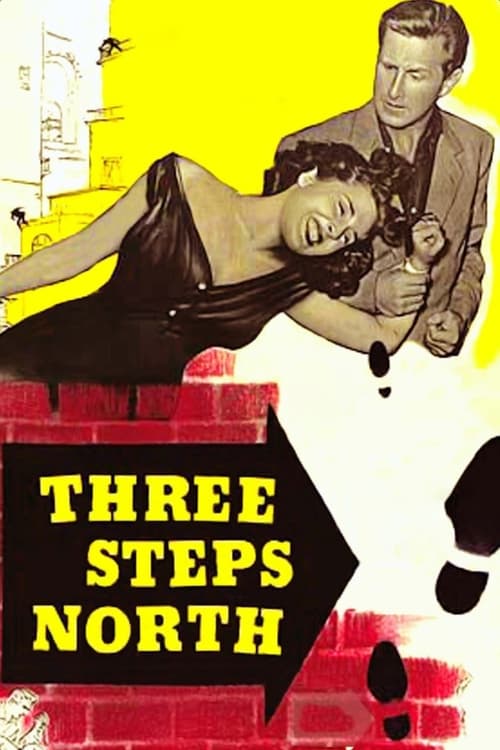
1951

1957

1946
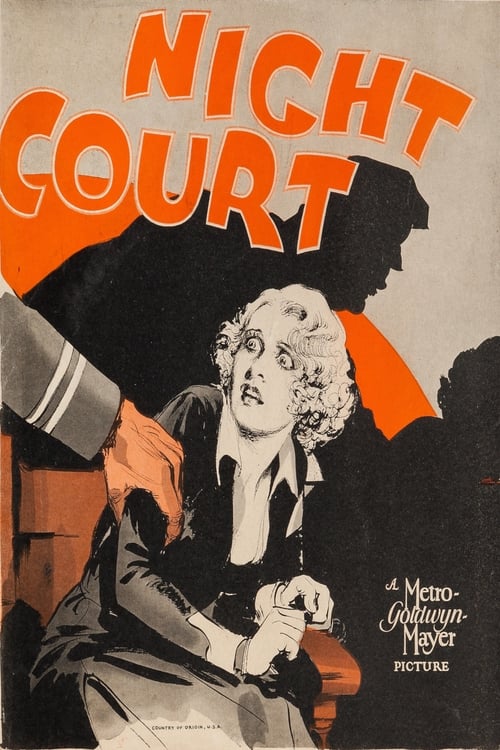
1932
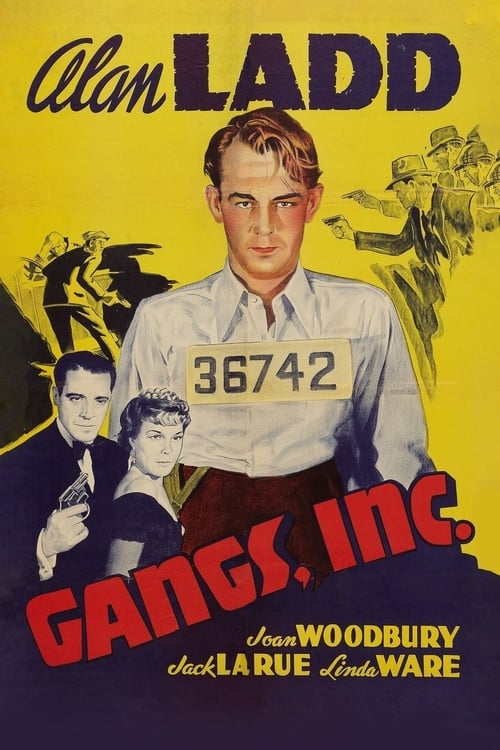
1941

1937
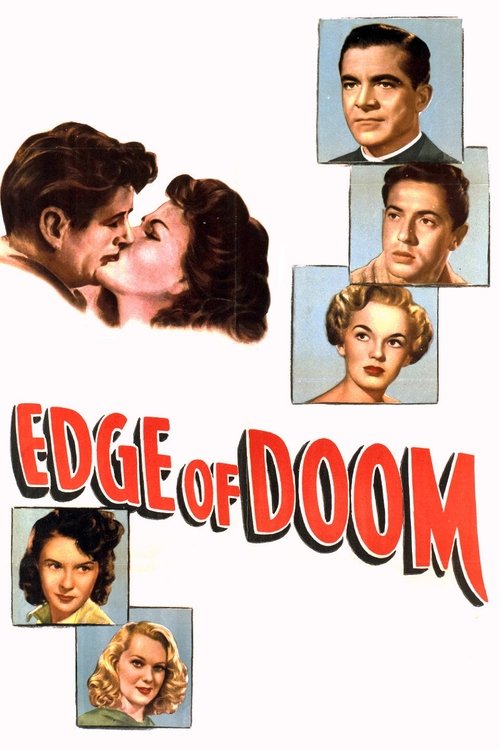
1950

1957
No reviews yet. Be the first to share your thoughts on this movie!
Use the rating form above to leave a star rating and optional review.