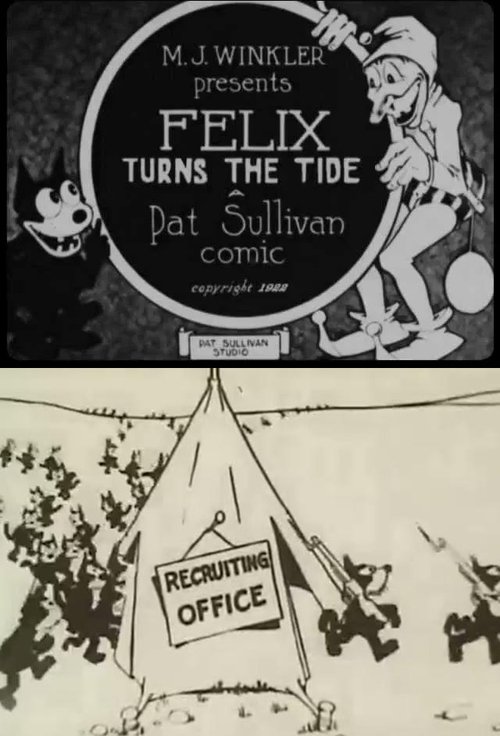
Felix Turns the Tide
1922
No user ratings available yet
Representation score: 0.1 out of 10
Representation Score
Limited
1918
PassedDirector
Bud Fisher
Average Rating
No ratings yetNew Showbiz Analysis
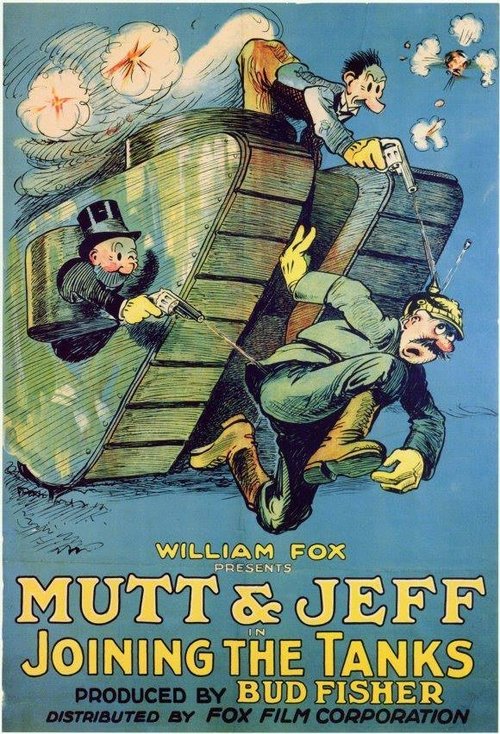
Joining the Tanks is a historical piece of early animation that reflects the rigid social hierarchies of 1918. The film relies on established comedic clichés from the Mutt and Jeff comic strip, prioritizing traditional structures over narrative complexity. The work lacks depth in representing diverse identities, focusing instead on reinforcing the cultural norms of the early 20th century. It upholds the social hierarchy and traditional gender roles of the time.
Category Breakdown
The film does not include any representation of LGBTQ+ identities or non-binary gender roles. It adheres to the traditional assumption that everyone is straight and cisgender, reflecting the social norms of 1918.
Gender roles in the film are limited to traditional stereotypes. Characters likely have little influence over the plot, conforming to passive or domestic roles typical of the era.
The film reflects the racial homogeneity of the early 20th century. There is no representation of diverse racial backgrounds or multi-layered casting.
The narrative focuses on contemporary Western social norms, reinforcing traditional structures and morality without challenging them.
Characters with disabilities are used primarily for comedic effect or as caricatures. There is no indication of nuanced storytelling or meaningful representation of disabilities.
Present on Screen
Limited or Absent
Official Synopsis
A Mutt and Jeff cartoon
1922
1936
1928
1919

1928
1926
1926
1926
No reviews yet. Be the first to share your thoughts on this movie!
Use the rating form above to leave a star rating and optional review.