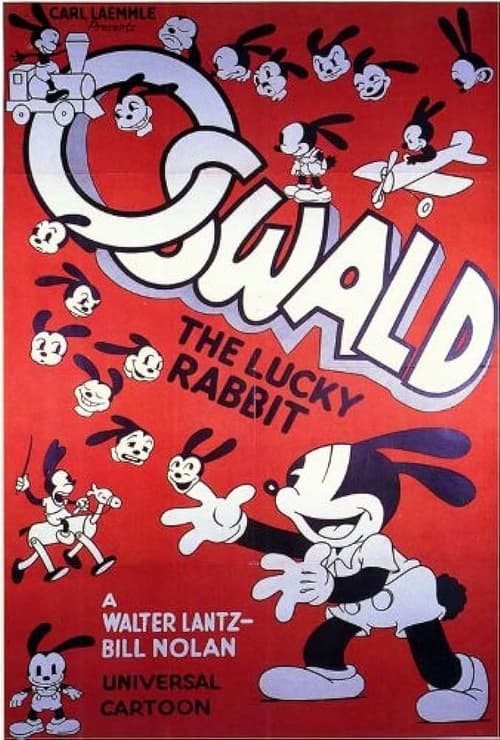
The Zoo
1933
No user ratings available yet
Representation score: 1.3 out of 10
Representation Score
Minimal
1934
PassedDirector
Walter Lantz, William Nolan
Runtime
8 minutes
Average Rating
No ratings yetNew Showbiz Analysis
The Dizzy Dwarf is a product of the early 1930s, a time marked by traditionalist approaches in animation. The film lacks layers of diversity and does not challenge established social hierarchies, leading to a low diversity score. Since there are no specific character arcs or dialogues to analyze, the assessment depends on the historical context of the Oswald the Lucky Rabbit series. This era usually favored uniform casting and strict social structures. Overall, the film acts as a historical snapshot, offering minimal representation for underrepresented groups or non-traditional identities.
Category Breakdown
The film does not show any non-straight identities or challenge the idea that everyone is straight. This kind of representation was typical for animations made in 1934.
The movie likely follows the traditional gender roles common in 1934 productions. It does not challenge these roles or portray masculinity as weak or ineffective.
The production reflects the homogeneous casting practices of the early 1930s. There are no actors of color with significant roles or depth in the film.
The film comes from a time when traditional Western social structures were strongly upheld. There is no sign of secular themes or questioning of these norms.
Characters with disabilities do not have much influence over their situations. In this era, physical impairments were often used for humor rather than serious portrayal.
Present on Screen
Limited or Absent
Official Synopsis
An Oswald the Lucky Rabbit animated short.
1933
1935
1934
1935
1931
1931
1928
1936
No reviews yet. Be the first to share your thoughts on this movie!
Use the rating form above to leave a star rating and optional review.