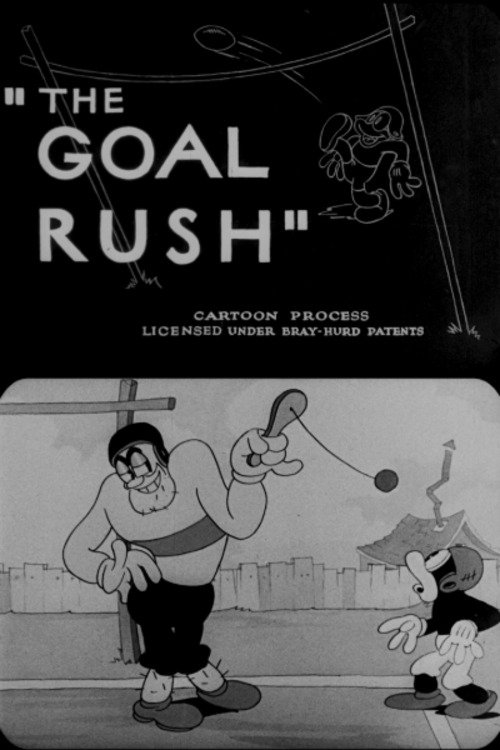
The Goal Rush
1932
No user ratings available yet
Representation score: 3.3 out of 10

Representation Score
Minimal
1932
Director
Ub Iwerks
Runtime
7 minutes
Average Rating
No ratings yetNew Showbiz Analysis
Room Runners is a product of its time, reflecting the industry constraints of 1932. The narrative structure relies heavily on traditional social hierarchies and standard character archetypes rather than multi-layered complexity. The film lacks intentional challenges to social norms, focusing instead on the slapstick comedy typical of the Flip the Frog series. This results in a significant absence of diverse identities or progressive representation. Ultimately, the work operates within a narrow cultural framework, prioritizing physical humor over nuanced character development or social commentary.
Category Breakdown
The film does not include any LGBTQ+ characters or non-cisgender identities. It follows the standard character types common in early 20th-century animation.
Gender roles in the film seem to follow traditional 1930s frameworks. Female characters often played limited, stereotypical roles, even when displaying ability to act through slapstick humor.
The production likely lacks meaningful racial diversity or characters of color with significant roles. Historical context suggests a reliance on homogeneous casting or ethnic caricatures.
The work reflects the social norms and traditional values of the early 1930s. It focuses on slapstick humor rather than complex social critique or the deconstruction of Western institutions.
There is no indication of characters with disabilities being portrayed with significant roles. Physical impairments in this era were often used as comedic devices rather than nuanced traits.
Present on Screen
Limited or Absent
Official Synopsis
Flip the Frog is trying to sneak out of an hotel without paying bill.
1932

1931
1936
1931
1935

1932
1933
1934
No reviews yet. Be the first to share your thoughts on this movie!
Use the rating form above to leave a star rating and optional review.