
Room Runners
1932
No user ratings available yet
Representation score: 0.5 out of 10
Representation Score
Minimal
1931
Director
Ub Iwerks
Runtime
7 minutes
Average Rating
No ratings yetNew Showbiz Analysis
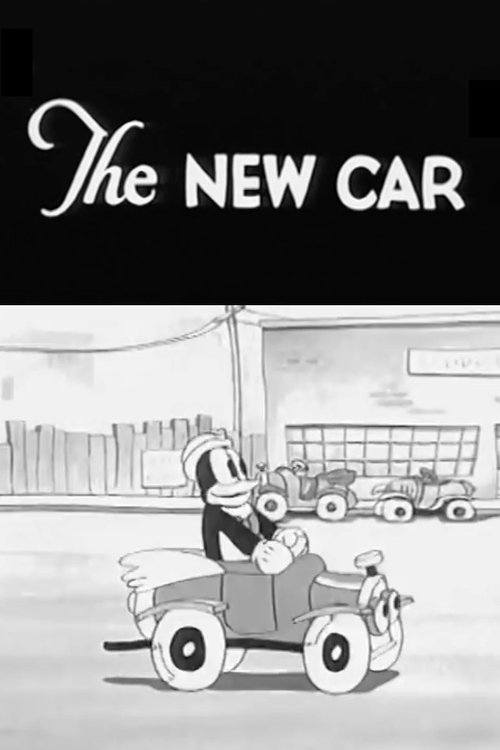
The New Car is a product of the early 1930s, emphasizing kinetic slapstick and mechanical mishaps over character development. Its narrative structure revolves around gag-driven comedy rather than social commentary. Since the film follows the standard comedic clichés of its era, it lacks the complexity needed to address modern multi-layered issues. The storytelling is narrow, focusing almost exclusively on the protagonist's relationship with a consumer object. Ultimately, the film upholds the status quo of early American animation. It functions as a traditional short that avoids disrupting conventional expectations or challenging existing power dynamics.
Category Breakdown
The film does not include any LGBTQ+ characters or identities that don't align with traditional gender roles. The story focuses solely on the protagonist's interactions with a car, without any queer-coded subtext.
The story is driven by male-centric slapstick humor. Female characters are absent, and the narrative focuses entirely on the actions of a single male figure.
The film depicts a homogeneous environment typical of early 20th-century animation. There is no indication of racial diversity or blended casting.
The story operates within a traditional capitalist framework focused on consumerism. It does not critique Western institutions or present anti-religious sentiments.
The film does not depict any characters with visible or invisible disabilities. No neurodivergence or physical impairments are used as a narrative device.
Present on Screen
Limited or Absent
Official Synopsis
Flip The Frog goes out to buy a new car.
1932
1932
1931
1934
1936
1933
1935

1928
No reviews yet. Be the first to share your thoughts on this movie!
Use the rating form above to leave a star rating and optional review.