
Flesh for Frankenstein
1973
No user ratings available yet
Representation score: 7.0 out of 10
Representation Score
Good
1974
RDirector
Paul Morrissey
Runtime
103 minutes
Average Rating
No ratings yetNew Showbiz Analysis
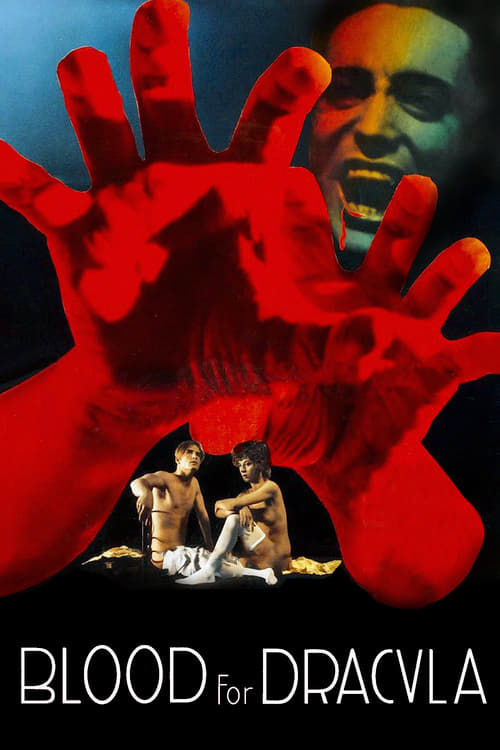
Blood for Dracula serves as a cynical deconstruction of Gothic myths, replacing romantic ideals with a study of systemic decay. The film excels by highlighting the tension between decaying aristocratic structures and the empowerment of those beneath them. It challenges traditional gender roles by presenting women as active, predatory characters with sexual autonomy, rather than passive victims. This shifts the narrative away from the damsel-in-distress cliché. While the film offers a powerful critique of Western institutional hierarchies, it narrows its focus to class and sexual themes within a European context, lacking a broad spectrum of racial diversity.
Category Breakdown
The film challenges traditional expectations by incorporating incestuous lesbian relationships into the main storyline. These identities go beyond including someone from a minority group without giving them real depth and question conventional ideas about family and gender roles.
Women are given significant roles as active, predatory characters rather than being portrayed as passive victims. The narrative replaces the damsel-in-distress cliché with characters who have high sexual autonomy and complexity.
The setting focuses on European aristocracy, though an international cast adds a globalized aesthetic. However, the narrative prioritizes class and sexual themes over a wide range of racial diversity.
The film critiques Western institutions by showing Christian morality and aristocratic honor as masks for corruption and decadence. It emphasizes secular, hedonistic impulses over religious dogma to highlight the flaws in traditional structures.
The film lacks significant or central depictions of physical or neurodivergent disabilities. There is no meaningful assessment of ability to act or cliché avoidance regarding disability.
Present on Screen
Limited or Absent
Official Synopsis
Deathly ill Count Dracula and his slimy underling, Anton, travel to Italy in search of a virgin's blood. They're welcomed at the crumbling estate of indebted Marchese Di Fiore, who's desperate to marry off his daughters to rich suitors. But there, instead of pure women, the count encounters incestuous lesbians with vile blood and Marxist manservant Mario, who's suspicious of the aristocratic Dracula.
1973
1970
1974
1966
1970
1968
1970
1971
No reviews yet. Be the first to share your thoughts on this movie!
Use the rating form above to leave a star rating and optional review.