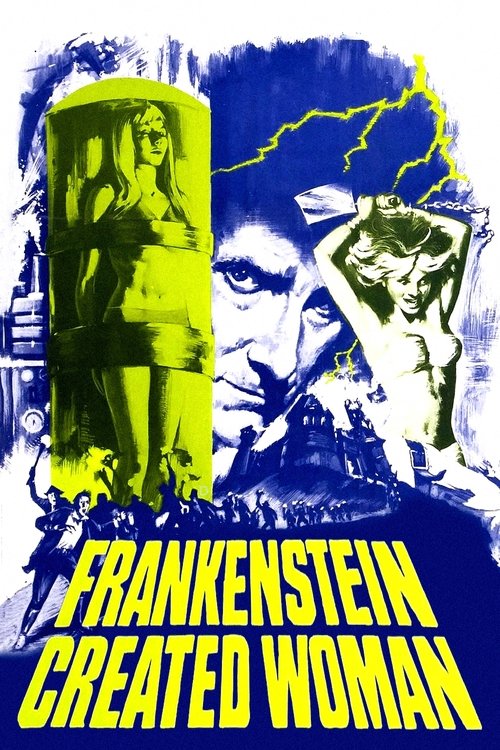
Frankenstein Created Woman
1967
No user ratings available yet
Diversity score: 3.3 out of 10
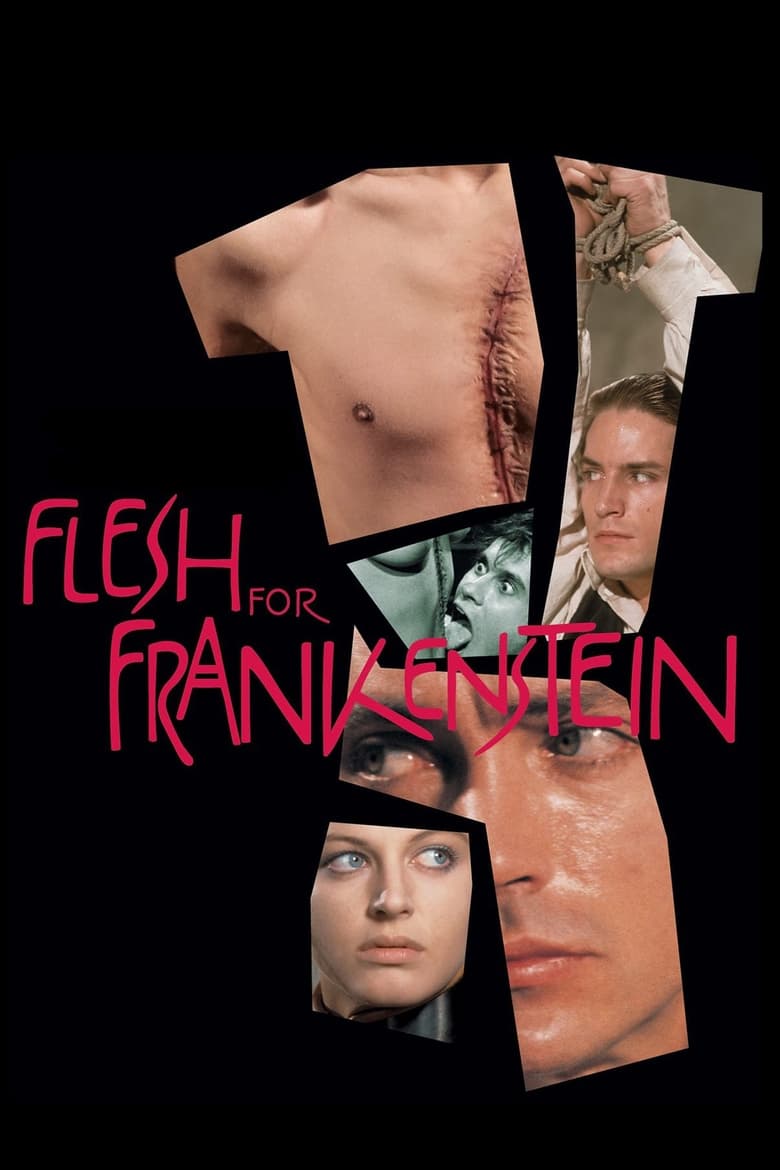
1973
NC-17Runtime
95 minutes
Average Rating
No ratings yetSynopsis
Within the decadent walls of the Frankenstein mansion, the Baron and his depraved assistant Otto have discovered the means of creating new life. As the Baron's laboratory begins to fill up with stitched body parts, the Baroness dallies with the randy new manservant and soon the decadent, permissive household is consumed by an outrageous, bizarre and hilarious orgy of death and dismemberment.
Overall Score
Fair
Category Breakdown
LGBTQ+ Representation
The film focuses on heteronormative sexual pursuit and grotesque physicalities. It lacks explicit non-cisnormative identity markers or dedicated LGBTQ+ narrative arcs, though it subverts sexual taboos.
Gender Representation
Female characters, particularly the Baroness, possess high agency and act as dominant plot drivers. The narrative deconstructs the damsel in distress trope by presenting women as intellectually cunning and sexually assertive.
Racial & Ethnic Diversity
The casting adheres to a homogeneous European aesthetic consistent with Gothic horror. There is a lack of visible racial or ethnic diversity within the primary cast.
Religious & Cultural Diversity
The film rejects singular Christian morality in favor of postmodern irony. It critiques Western ethical frameworks by portraying traditional values as secondary to individual obsession.
Disability Representation
Physical difference is used as a central narrative element through the aesthetics of horror. The film avoids inspiration porn, treating physical difference as an unsettling human experience.
Strengths
Areas for Improvement
AI Analysis
Paul Morrissey’s work functions as a radical disruption of traditional narrative expectations. By utilizing a postmodern framework, the film successfully challenges established social and ethical hierarchies, particularly regarding gender and morality. However, the film remains limited by its era's production constraints and genre tropes. The lack of racial diversity and explicit LGBTQ+ identities prevents a more inclusive representation, keeping the focus on a homogeneous European aesthetic. Ultimately, the film's strength lies in its subversion of power dynamics. It replaces conventional moral condemnation with a dark, liberating irony that deconstructs the sanctity of the human body and traditional authority.
1967

1958
1957
1974
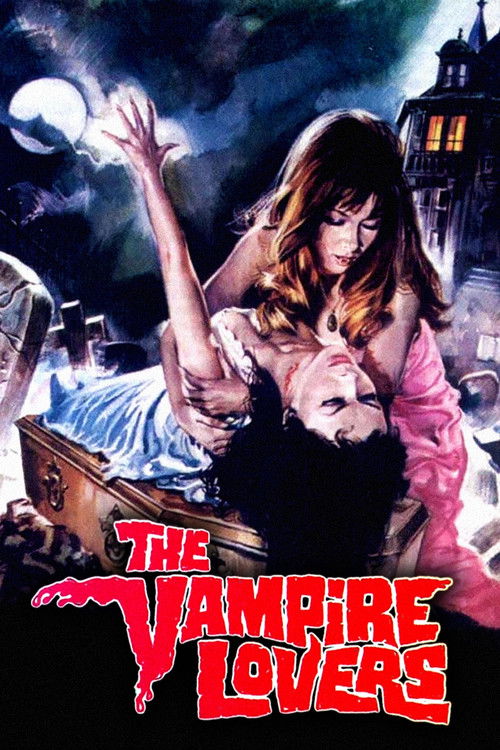
1970
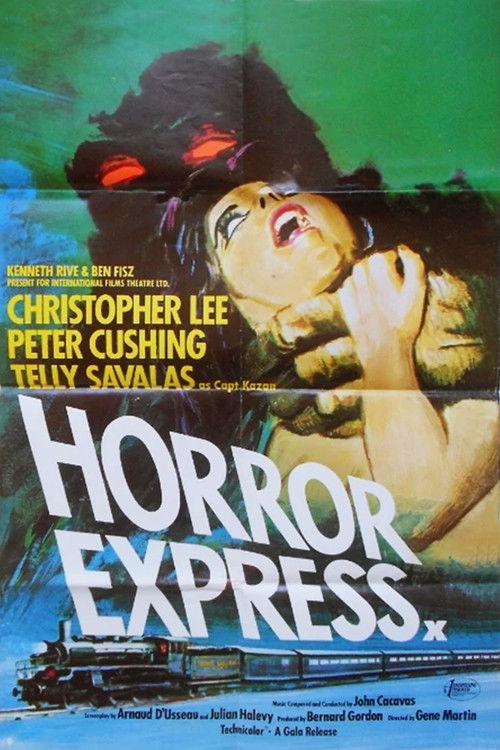
1972
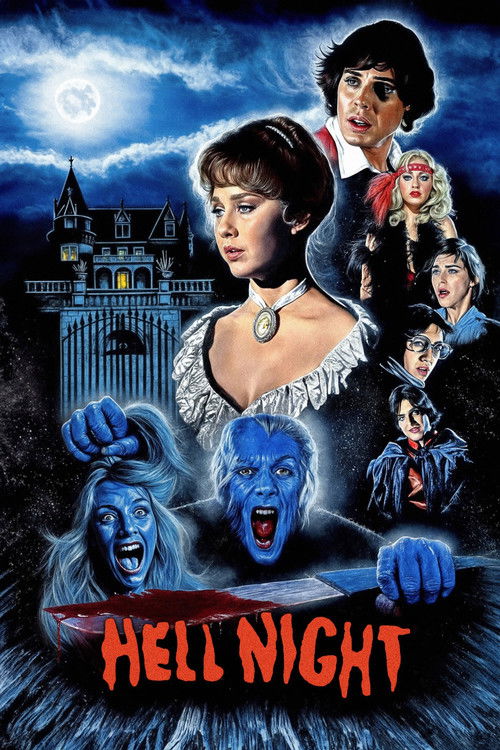
1981
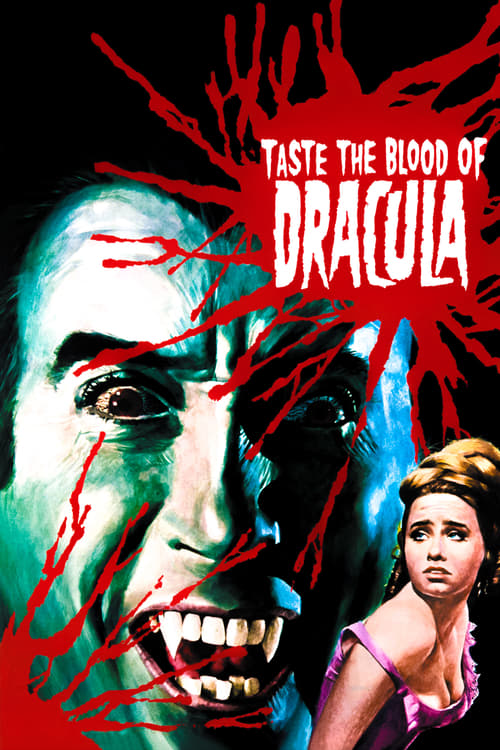
1970
1970
1963
2009
1968
No reviews yet. Be the first to share your thoughts on this movie!
Use the rating form above to leave a star rating and optional review.