
Cry of the City
1948
No user ratings available yet
Representation score: 0.9 out of 10
Representation Score
Minimal
1949
NRDirector
Richard L. Bare
Runtime
86 minutes
Average Rating
No ratings yetNew Showbiz Analysis
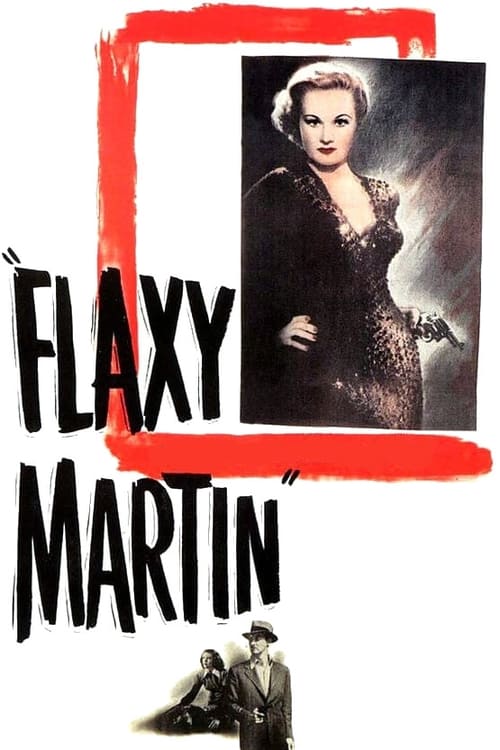
Flaxy Martin is a period crime drama that excels in character complexity rather than broad social themes. Its standout feature is the subversion of traditional feminine roles through its female protagonist, who actively navigates a dangerous criminal environment. However, the film is limited by the era's cinematic conventions. It lacks meaningful racial or ethnic diversity and offers no representation of LGBTQ+ identities or disabilities, mirroring the homogeneous studio system of the late 1940s. Overall, while the film provides a nuanced exploration of gendered power dynamics through the noir lens, its social scope remains narrow and traditional.
Category Breakdown
The film does not depict any non-cisgender identities or same-sex relationships. The romantic dynamics follow traditional heterosexual norms.
Flaxy Martin challenges traditional female roles by using manipulation and sexuality to navigate a male-dominated world. Despite being a classic femme fatale, she actively drives the plot.
Reflecting the demographics of the 1949 studio system, the cast is primarily white with no significant representation of racial or ethnic diversity.
The film explores personal quests for justice and skepticism towards legal systems, focusing on individual survival rather than broader cultural critiques.
There are no prominent depictions of physical, sensory, or neurodivergent disabilities among the main characters.
Present on Screen
Limited or Absent
Official Synopsis
Attorney Walter Colby has ties to the mob, but he begins to regret his criminal affiliations. When his girlfriend, showgirl Flaxy Martin, who also has shady connections, becomes a suspect in a murder, Walter takes the fall. However, on his way to prison, he escapes, determined to bring the real killer to justice.
1948
1949
1946
1956

1946

1949

1947

1952
No reviews yet. Be the first to share your thoughts on this movie!
Use the rating form above to leave a star rating and optional review.