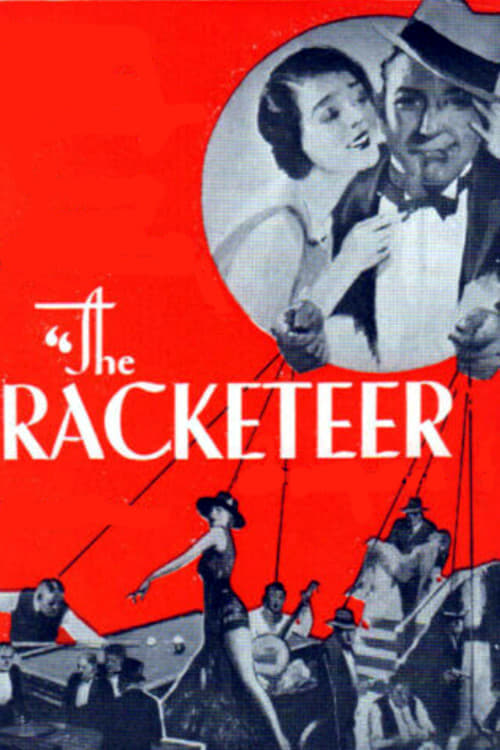
The Racketeer
1929
No user ratings available yet
Representation score: 1.4 out of 10
Representation Score
Minimal
1930
ApprovedDirector
John Cromwell
Runtime
75 minutes
Average Rating
No ratings yetNew Showbiz Analysis
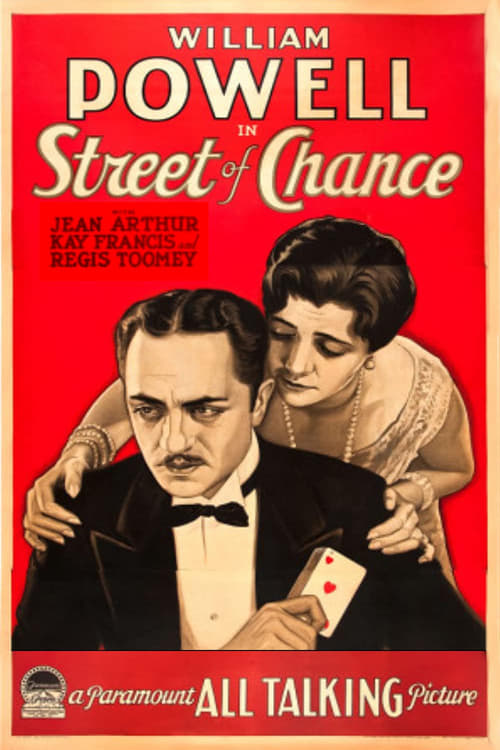
Street of Chance is a traditional 1930s crime drama that relies on well-established social hierarchies and familiar character types. The narrative centers on personal vices and family loyalty, avoiding broader social issues. While Alma shows some independence by seeking a divorce, the film's resolution is driven by the male protagonist's sense of honor, reinforcing the era's standard gender roles. The production lacks diverse ethnic perspectives and meaningful LGBTQ+ representation, reflecting the typical Hollywood studio system of its time.
Category Breakdown
The film doesn't include any LGBTQ+ characters or stories. The main conflict revolves around a traditional marriage issue between a husband and wife.
Alma takes initiative by starting a divorce, showing independence. However, the plot mainly follows the male protagonist's decisions and moral code.
The cast and setting reflect the homogeneous, Anglo-Saxon style typical of 1930s crime dramas. There are no diverse ethnic perspectives in the story.
The story delves into personal morality and ethics through addiction and honor. It doesn't critique systemic institutions or non-Western sentiments.
There are no visible or invisible disabilities shown in the characters or the plot.
Present on Screen
Limited or Absent
Official Synopsis
'Natural' Davis (William Powell) is a respected gambler who follows a ruthless code of honor with those who cheat against him. His wife, Alma (Kay Francis), wants to divorce him because of his addiction and lifestyle, but they agree on a reconciliation and second honeymoon together and 'Natural' promises to give up gambling. However, his plans change when his brother, 'Babe' (Regis Toomey), arrives in town looking to score big, and 'Natural' has to devise a plan quickly to put him off gambling forever.
1929
1929
1931

1947

1931
1932

1932
1935
No reviews yet. Be the first to share your thoughts on this movie!
Use the rating form above to leave a star rating and optional review.