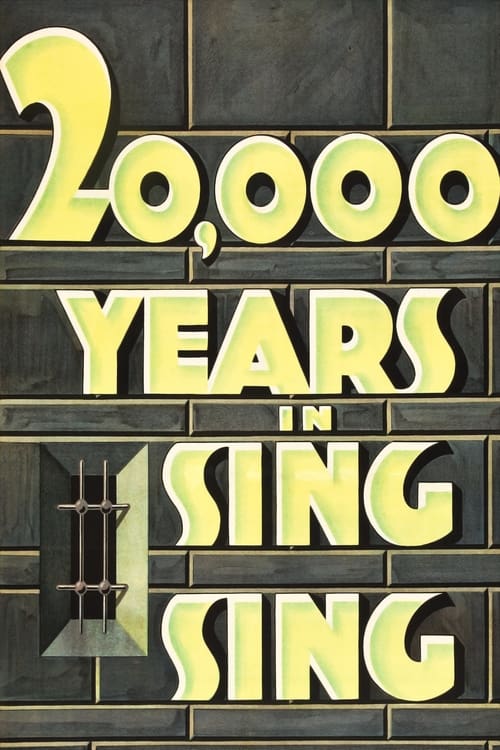
20,000 Years in Sing Sing
1932
No user ratings available yet
Representation score: 0.7 out of 10
Representation Score
Limited
1931
ApprovedDirector
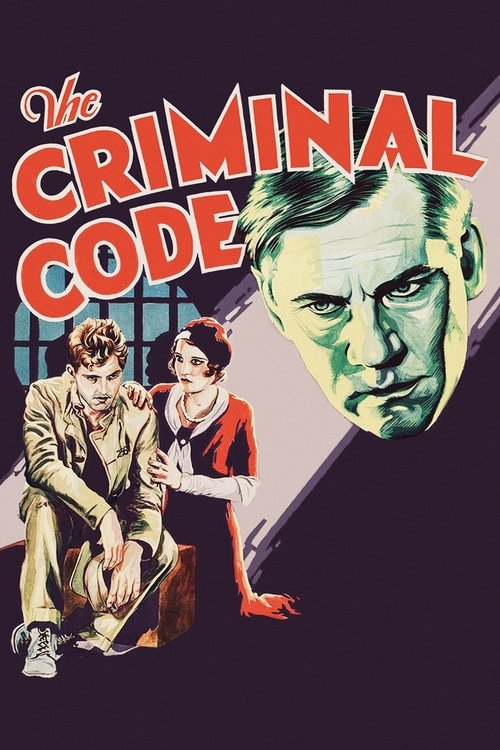
Howard Hawks
Runtime
97 minutes
Average Rating
No ratings yetNew Showbiz Analysis
The Criminal Code is a classic example of early studio filmmaking, emphasizing traditional storytelling over social critique. The narrative structure reinforces established social hierarchies and gender roles common in the Pre-Code era. While the film provides a thorough look at the criminal mind and personal transformation, it does not prioritize diverse representation. The focus stays on the protagonist's personal journey within a conventional social context. Overall, the film mirrors the demographic and cultural uniformity of its time, offering minimal disruption to the era's norms of justice and identity.
Category Breakdown
The film follows traditional heterosexual romance structures typical of early 1930s crime dramas. It does not include any non-cisgender identities or same-sex relationships.
Women mainly serve as moral guides and romantic partners for the male lead. Narrative focus remains on masculine struggles with reform and relapse.
The cast and setting reflect the homogeneous demographics typical of early 1930s American cinema. The story centers on an Anglo-Saxon criminal underworld without diverse casting.
The film examines rehabilitation through personal morality and legal frameworks. It views the law as a tool for moral judgment rather than oppression.
There are no characters with visible or invisible disabilities. Disability is not a central theme or element in the story.
Present on Screen
Limited or Absent
Official Synopsis
After young Robert Graham commits a murder while drunk and defending his girlfriend, he is prosecuted by ambitious Mark Brady and sentenced to 10 years. Six years later, Brady becomes the prison warden and offers the beleaguered Robert a job as his chauffeur. Robert cleans up his act, but, on the eve of his pardon, his cellmate drags him back into the world of violence, and he faces a difficult choice that could return him to prison.
1932

1939

1927

1932
1949

1941
1939

1952
No reviews yet. Be the first to share your thoughts on this movie!
Use the rating form above to leave a star rating and optional review.