There Was a Father
1942
No user ratings available yet
Representation score: 1.9 out of 10
Representation Score
Minimal
1938
Director
Shirō Toyoda
Runtime
80 minutes
Average Rating
No ratings yetNew Showbiz Analysis
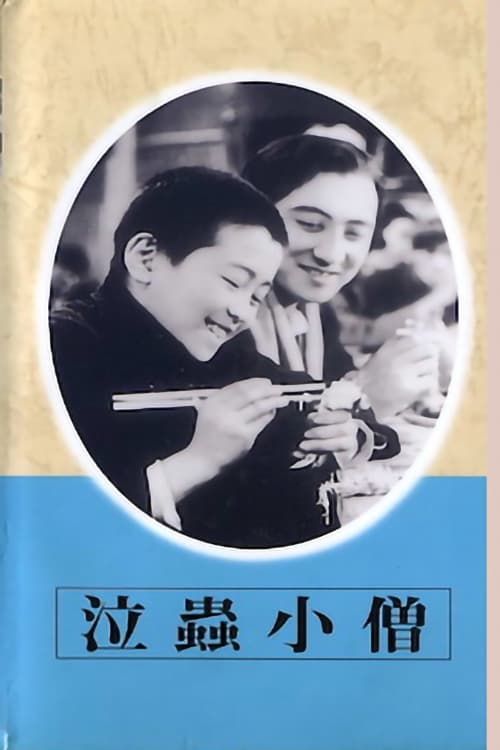
Crybaby Apprentice is a domestic drama centered around a child's experience within a family network. The narrative depends on the actions of women and the obligations of kinship to advance the story. While the film highlights the influence of women through maternal and extended family figures, it operates within the social hierarchies of the 1930s. It does not offer a critical perspective on these structures or explore diverse identities. The production reflects the cultural homogeneity of pre-war Japanese cinema, focusing on traditional social structures.
Category Breakdown
The film does not include any LGBTQ+ identities. It follows the social norms of 1938 Japan.
Women play key roles in driving the plot through maternal and aunt figures. However, these roles are set within traditional domestic contexts.
Given its Japanese setting, the cast is ethnically uniform. This reflects the cultural specifics of the time, not modern diversity.
The story emphasizes traditional family structures and kinship duties. It explores the social norms of early 20th-century Japan.
There is no indication of physical disabilities or mental health conditions in the film.
Present on Screen
Limited or Absent
Official Synopsis
A fatherless boy's mother passes him from one aunt to another.
1942
1936
1941
1957
1951
1937
1939

1921
No reviews yet. Be the first to share your thoughts on this movie!
Use the rating form above to leave a star rating and optional review.