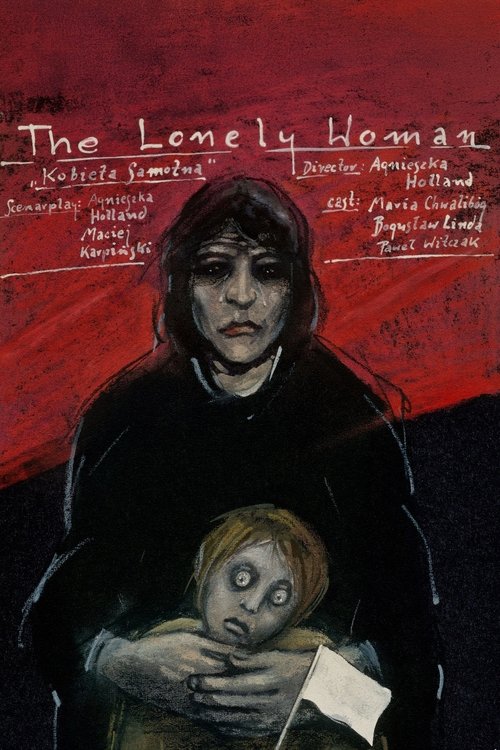
A Woman Alone
1987
No user ratings available yet
Diversity score: 5.6 out of 10
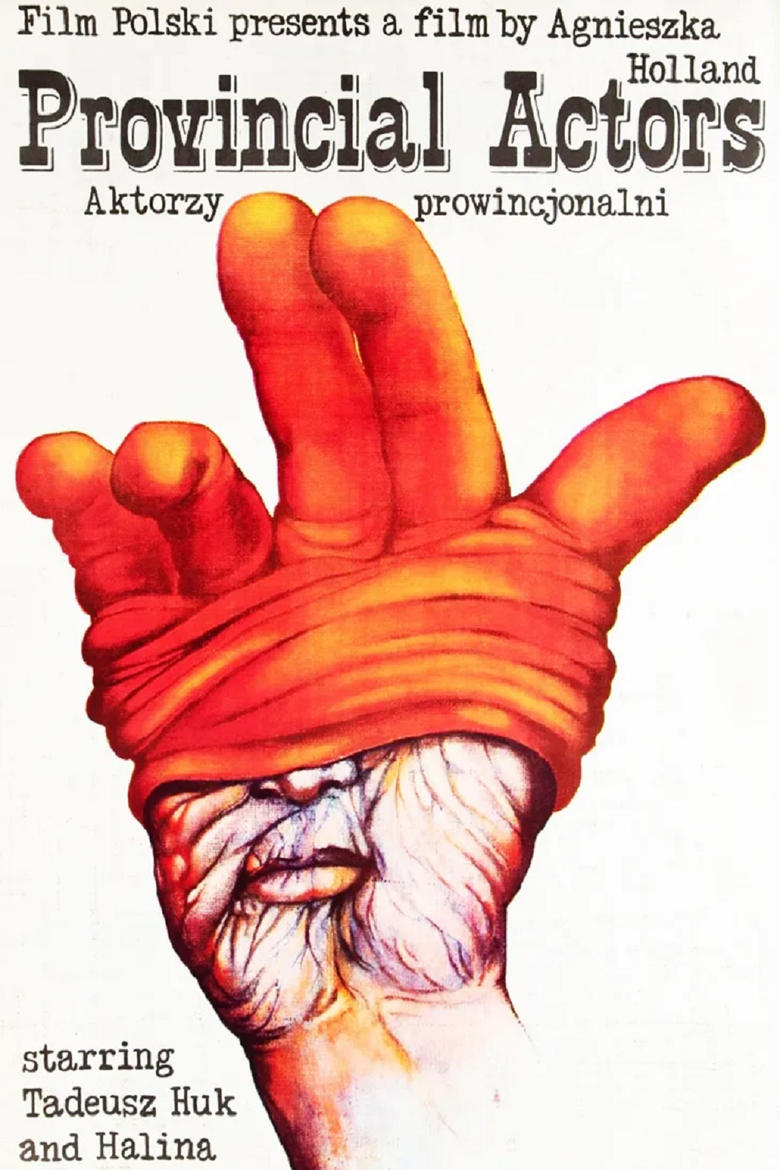
1979
NRDirector
Agnieszka Holland
Runtime
108 minutes
Average Rating
No ratings yetSynopsis
The film is set in a small town near Warsaw, to which a young and coming director comes to produce a classic play (Wyspianski "Wyzwolenie") with a modern vein. Everyone in the production gets his usual stereotypical role, but the aging idol of the ensemble senses opportunity to give the performance of his life. For young director everything is already set. The leading man, however, is not giving up and is trying to restore the role according to his view. His wife listens to his fears, complaints and frustrations, while resigning herself to a fading career in a puppet theatre.
Overall Score
Fair
Category Breakdown
LGBTQ+ Representation
The film lacks explicit depictions of LGBTQ+ identities or non-heteronormative romantic arcs. The narrative focus remains centered on the professional and domestic tensions of the theater troupe.
Gender Representation
The film disrupts traditional hierarchies by presenting women navigating professional authority and complex emotional landscapes. It deconstructs the stable male leader trope by showing masculinity in conflict with ego-driven instability.
Racial & Ethnic Diversity
As a localized Polish production, the film reflects the demographic homogeneity of its historical context. The cast is composed of a culturally specific Polish ensemble without intentional racial blending.
Religious & Cultural Diversity
The film excels in its critique of institutional stagnation and provincial social structures. It uses a postmodernist lens to explore the struggle for artistic integrity against a stagnant environment.
Disability Representation
There is no significant or central depiction of physical or neurodivergent disabilities. The narrative focuses on psychological and professional dysfunction rather than using disability as a device.
Strengths
Areas for Improvement
AI Analysis
Agnieszka Holland’s drama is a sophisticated character study that prioritizes the deconstruction of identity over demographic breadth. It succeeds in subverting power dynamics within a professional hierarchy, offering a nuanced look at gendered agency and the pressures of the working intelligentsia. However, the film lacks intersectional variety. It offers very little in the way of racial or LGBTQ+ visibility, remaining firmly rooted in the specific, homogeneous cultural milieu of 1970s Poland. Ultimately, the work finds its value in intellectual disruption. It uses moral relativism to challenge the rigidity of provincial social structures rather than seeking to represent a wide spectrum of human identities.
1987

1976
1977
1992
1972

1976

1969
1987

1967

1983
1982
2009
No reviews yet. Be the first to share your thoughts on this movie!
Use the rating form above to leave a star rating and optional review.