Jeanne Dielman, 23, quai du Commerce, 1080 Bruxelles
1976
No user ratings available yet
Representation score: 5.5 out of 10
Representation Score
Good
1987
Director
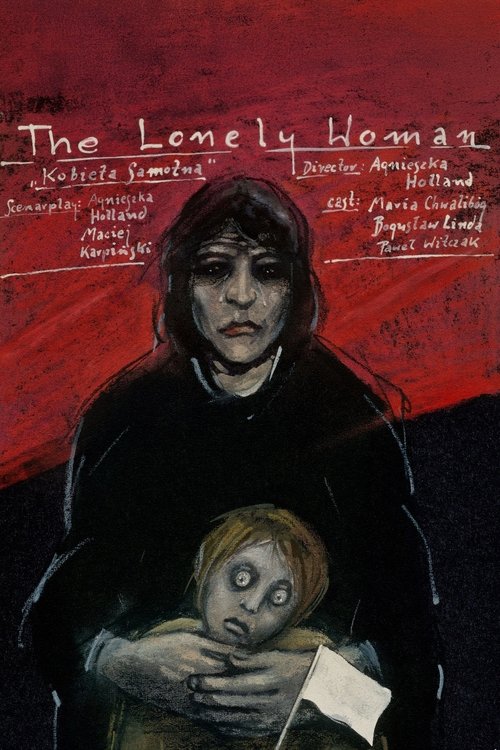
Agnieszka Holland
Runtime
92 minutes
Average Rating
No ratings yetNew Showbiz Analysis
Agnieszka Holland’s work excels at centering underrepresented perspectives, specifically through the lens of women's ability to drive the story and systemic failure. By focusing on a single mother navigating a hostile workplace and unstable housing, the film disrupts traditional hierarchies and highlights the precariousness of the working class. However, the film is limited by its narrow demographic scope. The lack of racial and LGBTQ+ diversity reflects its specific social realist setting but limits its broader reach. While it avoids derogatory clichés, it does not engage with non-straight-centered identities. Ultimately, the film is a sophisticated critique of institutional reliability. It uses disability and gendered struggle to expose how decaying social landscapes exert pressure on the individual, making it a powerful, if demographically specific, social drama.
Category Breakdown
The film does not include explicit LGBTQ+ characters or identities that challenge the assumption that everyone is straight or cisgender. Instead, it focuses on the protagonist's struggles within a traditional social framework.
The film centers on Irena, a single mother facing professional and domestic instability. It portrays her survival against systemic indifference rather than passive domesticity, emphasizing her active role in driving the story.
The cast is ethnically homogeneous, reflecting its specific late-1980s European socio-political context. The film focuses on local class struggles rather than diverse ethnic backgrounds.
The story provides a profound critique of institutional efficacy, portraying workplace and housing systems as dehumanizing. It emphasizes the psychological toll of urban alienation and state failure.
Jacek, a crippled pensioner, introduces disability into the gritty socioeconomic reality of the film. His presence avoids inspiration clichés, though his role is closely tied to the protagonist.
Present on Screen
Limited or Absent
Official Synopsis
Irena, a postal delivery worker, is struggling with inadequate housing, a drunk neighbor who wants to take her place, and a heartless boss, knowing that the whole day at work, she is leaving her young son. But the worst is the loneliness, exacerbated by her single mother status. She meets a crippled pensioner Jacek, who appears to be the key to her happiness, but tragedy continues to strike.
1976
1970

1999
1994
2002
1970

1959
1998
No reviews yet. Be the first to share your thoughts on this movie!
Use the rating form above to leave a star rating and optional review.