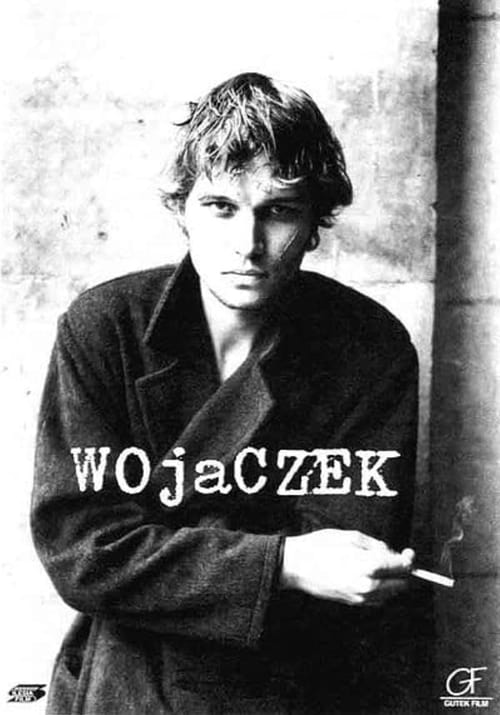
Wojaczek
1999
No user ratings available yet
Representation score: 6.9 out of 10

Representation Score
Fair
2009
Director
Janusz Morgenstern
Runtime
110 minutes
Average Rating
No ratings yetNew Showbiz Analysis
Lesser Evil is a socio-political drama centered on the erosion of integrity during a specific historical period in Poland. It excels at critiquing institutional corruption and the moral relativism needed to survive within a restrictive state apparatus. However, the film lacks depth in representing diverse identities. The narrative is heavily focused on male-dominated spheres and does not include LGBTQ+ characters or racial diversity, reflecting the homogeneity of its setting. While it uses disability to advance the plot, the portrayal of mental illness primarily serves the protagonist's development, limiting the complexity of its representation.
Category Breakdown
The film focuses on the protagonist's relationships and career goals, but there are no LGBTQ+ characters or discussions about heteronormativity.
The story revolves around male-dominated environments such as state media and the military. A female character holds institutional power but her role supports the protagonist's personal advancement.
Set in 1970s Poland, the film reflects the demographic uniformity of that time. It highlights socio-political divisions but does not address racial or ethnic diversity.
The film deconstructs traditional institutions like state media and psychiatric hospitals. It challenges singular morality by showing a protagonist navigating a corrupt system for personal gain.
A schizophrenic writer serves as a central narrative driver and catalyst for the protagonist. While avoiding simple mockery, the character's role can seem like a device for the protagonist's fame.
Present on Screen
Limited or Absent
Official Synopsis
There is a writer who in the late 1970s managed to publish a poem in the monthly "Nowy Wyraz". It was enough to become a self-confessed writer whose name began to appear in the state media. The writer takes full advantage of his privileges - he flirts with power, sympathizes with the opposition, and collapses his studies at the same time. He is saved from going to the army by an exalted essayist whose sister is the head of the psychiatric hospital in Tworki. In a psychiatric institution, a writer meets a schizophrenic who writes a novel. After his suicide, the protagonist takes over the draft, which he publishes outside of censorship under his name, thanks to which he gains fame, fame and money. August '80 breaks out....
1999
2014
2016
1985
1981
2016
2018
1981
No reviews yet. Be the first to share your thoughts on this movie!
Use the rating form above to leave a star rating and optional review.