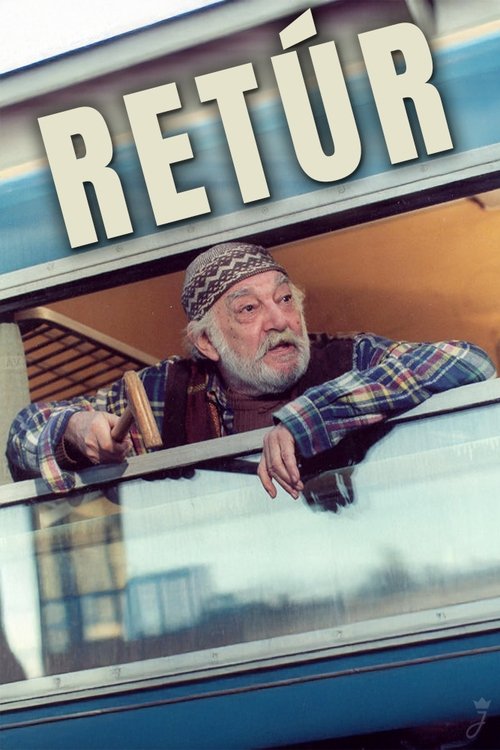
Return Ticket
1997
No user ratings available yet
Representation score: 1.9 out of 10
Representation Score
Good
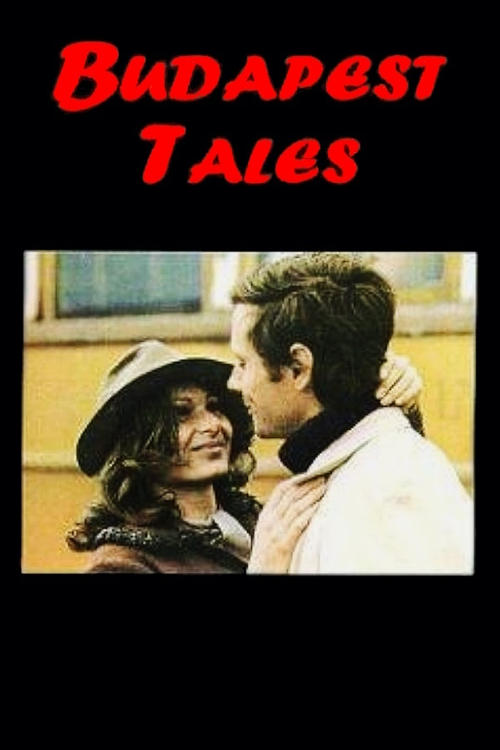
1977
Director
István Szabó
Runtime
90 minutes
Average Rating
No ratings yetNew Showbiz Analysis
Budapest Tales provides a detailed look at the fluidity of social roles and the interconnectedness of human experience within a mobile, transient setting. However, the film's focus on the demographic realities of 1970s Central Europe limits its representation of racial and ethnic diversity, as well as explicit LGBTQ+ identities.
Category Breakdown
The film focuses on traditional romantic relationships and interpersonal dynamics. There is no explicit depiction of same-sex relationships or non-cisgender identities.
Women play significant roles in shaping the tram community. Gender hierarchies are challenged by communal needs, though the film does not explicitly subvert traditional masculinity.
The setting reflects a homogeneous Central European population typical of 1970s Budapest. The narrative lacks non-white diversity or actors from different racial backgrounds.
The story emphasizes situational ethics and the fluidity of truth over rigid moralities. It uses the tram as a symbol of a transient society where personal experiences shape beliefs.
Characters are defined by their social roles and contributions to the journey. There is no prominent focus on visible or invisible disabilities.
Present on Screen
Limited or Absent
Official Synopsis
"Budapest Tales" is about a group of people (consisting of Szabo regular Andras Balint along with Ildiko Bansagi and Karoly Kovacs) who find a broken down tram while trying to go to the city. The people band together and try to get the tram back on the train tracks and head towards the city. Along this journey the passengers encounter many people who join them on the tram. What started out as only a handful of people has now turned into a small village. As the people travel on to the city each person takes on certain roles and through the course of time these roles will change. Some people fall in love, others out of love, and a few even die. But life goes on. The people keep the tram going hoping to reach Budapest.
1997
1976
1977
1970
1989
1965
1995

2005
No reviews yet. Be the first to share your thoughts on this movie!
Use the rating form above to leave a star rating and optional review.