
Pauline et François
2010
No user ratings available yet
Diversity score: 5.4 out of 10

1976
Director
Gleb Panfilov
Runtime
145 minutes
Average Rating
No ratings yetSynopsis
The mayor of a village sees her son killed in a gun accident. A successful, dedicated bureuacrat, she must reconcile her desire to build a bridge - and the new housing that will come with it - with the reality of resistance from the townspeople and her own grief.
Overall Score
Fair
Category Breakdown
LGBTQ+ Representation
The film lacks explicit LGBTQ+ characters or non-heteronormative identities. The narrative focuses on interpersonal tensions within a traditional social framework. It offers space for internal emotional expression without directly engaging with queer themes.
Gender Representation
The film subverts traditional tropes by centering on a female bureaucrat in a position of systemic authority. Her professional competence and leadership drive both the political and emotional plot. This portrayal challenges conventional domesticity.
Racial & Ethnic Diversity
The cast reflects the homogeneous demographic of the 1970s Soviet Union. There is no evidence of intentional racial blending. The film remains grounded in its specific historical and regional context.
Religious & Cultural Diversity
The narrative explores the friction between centralized state authority and individual agency. It critiques institutional rigidity by highlighting the conflict between infrastructure goals and community resistance. This creates a nuanced view of social institutions.
Disability Representation
There is no prominent depiction of physical or neurodivergent disabilities. Instead, the film explores the invisible weight of psychological trauma and grief. This is treated as a universal human condition rather than a specific disability study.
Strengths
Areas for Improvement
AI Analysis
Gleb Panfilov’s drama stands out for its sophisticated subversion of gendered power dynamics. By placing a woman in a position of significant political and professional authority, the film disrupts the patriarchal structures common in mid-century storytelling. However, the film lacks the explicit intersectional markers found in modern cinema. It remains a product of its specific socio-political era, resulting in a relatively homogeneous demographic and an absence of queer or diverse ethnic representation. Ultimately, the work's strength lies in its psychological complexity. It moves away from didactic storytelling to focus on the internal lives and moral relativism of its characters.
2010

2016
1977

1961
2016
2016
1976
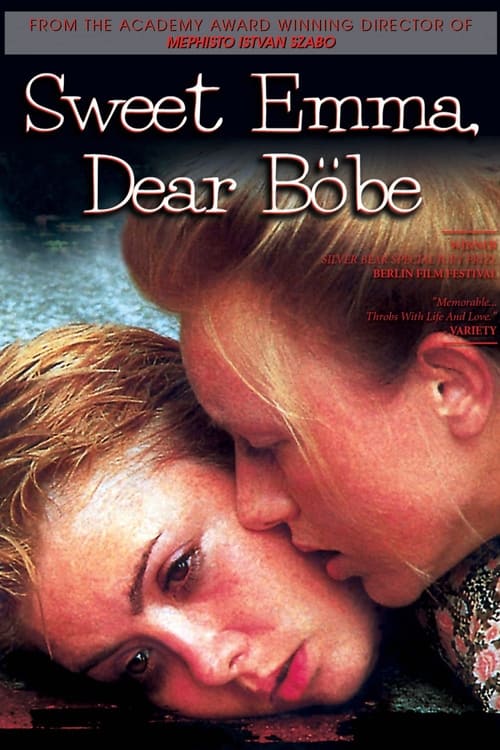
1992
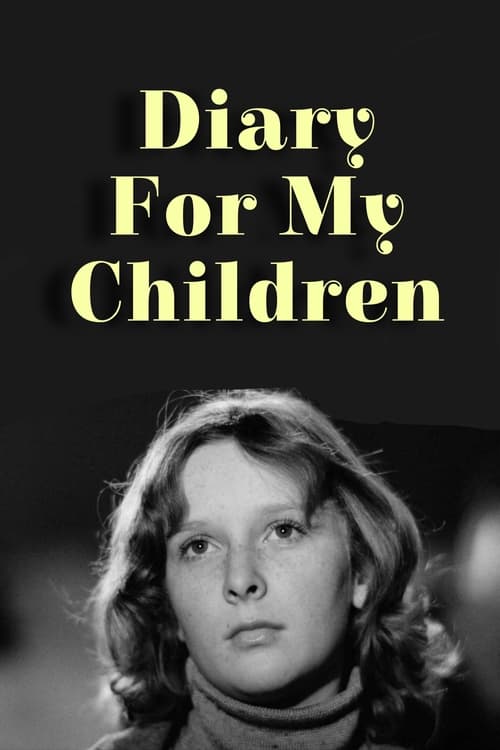
1984
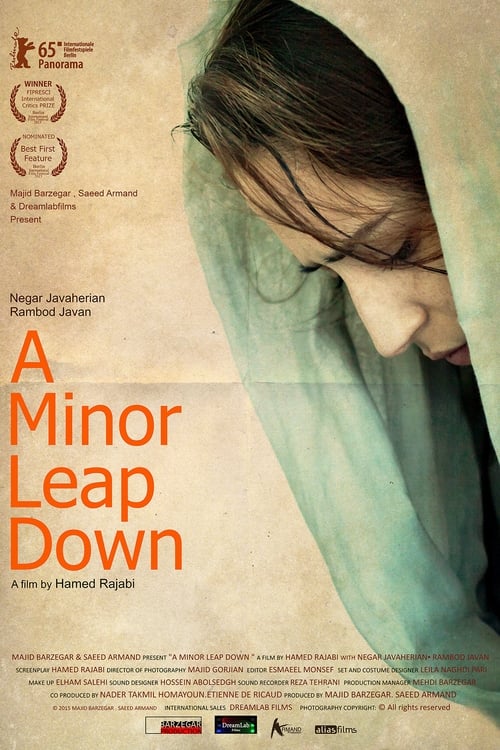
2015

2013
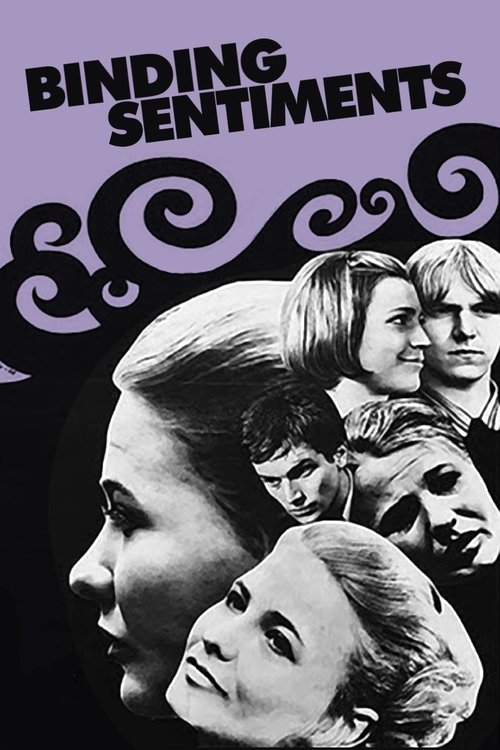
1969
No reviews yet. Be the first to share your thoughts on this movie!
Use the rating form above to leave a star rating and optional review.