Soleil O
1973
No user ratings available yet
Diversity score: 7.0 out of 10
1969
NRDirector
Herbert J. Biberman
Runtime
110 minutes
Average Rating
No ratings yetSynopsis
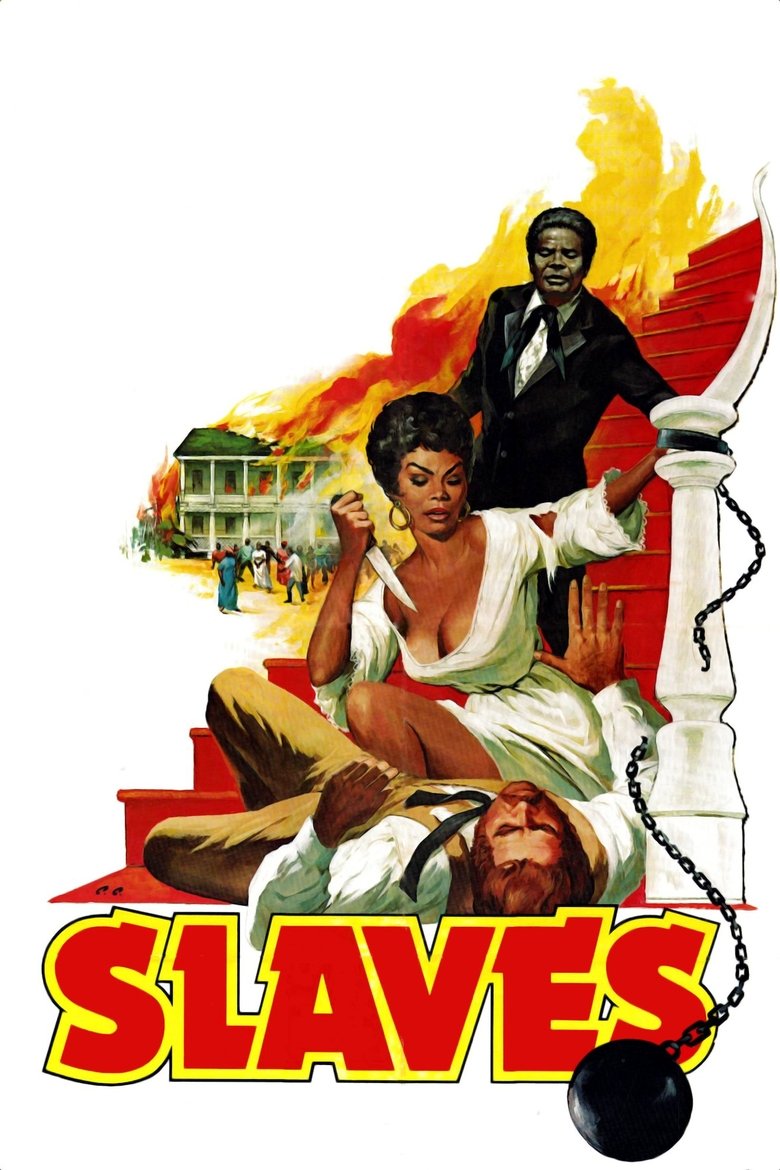
A Kentucky slave (Davis) fights for his freedom from a cruel overseer whose mistress eventually joins him and the other slaves in their revolt.
Overall Score
Good
Category Breakdown
LGBTQ+ Representation
The film lacks evidence of LGBTQ+ characters or non-cisnormative identities. The narrative focus remains strictly on the struggle for emancipation within a racialized hierarchy.
Gender Representation
The story subverts traditional feminine roles by having the mistress abandon her position of systemic dominance. She eventually joins the enslaved protagonists in their revolt against the plantation hierarchy.
Racial & Ethnic Diversity
The film centers on Black agency, portraying characters like Davis as the primary drivers of social upheaval. It avoids passive tropes by focusing on a direct revolt against white-dominated structures.
Religious & Cultural Diversity
The narrative offers a profound critique of Western institutions by framing the plantation system as inherently corrupt. It prioritizes collective resistance and systemic critique over the preservation of social order.
Disability Representation
There is no discernible information regarding the portrayal of physical or neurodivergent disabilities within the narrative.
Strengths
Areas for Improvement
AI Analysis
Slaves (1969) is a politically charged drama that prioritizes the agency of marginalized people. By centering the narrative on a Black protagonist's fight for freedom, the film challenges the conventional cinematic tropes of its era. The director's history of navigating censorship suggests these themes of institutional critique are deeply intentional. The film's strength lies in its subversion of power dynamics. It moves beyond simple historical depiction to offer a radical critique of capitalist and social hierarchies. This is most evident in the way the film depicts both racial revolt and the shifting allegiances of those within the domestic sphere. However, the film's diversity profile is limited by a lack of representation for LGBTQ+ identities and disabilities. While the racial and cultural critiques are robust, the narrative scope appears focused primarily on the intersection of race and class-based rebellion.
1973

1976
2005
1970

1949

1973

1976

1972

1967
1999
1927

2017
No reviews yet. Be the first to share your thoughts on this movie!
Use the rating form above to leave a star rating and optional review.