
The Lost Man
1969
No user ratings available yet
Representation score: 2.9 out of 10

Representation Score
Limited
1972
RDirector
Oscar Williams
Runtime
83 minutes
Average Rating
No ratings yetNew Showbiz Analysis
The film is a product of 1970s social realism, prioritizing a critique of systemic inequality. Its primary strength lies in its radical approach to racial ability to act, centering a Black protagonist who actively challenges established social hierarchies. However, the narrative appears heavily focused on masculine-coded political struggle. This focus, combined with a lack of visible LGBTQ+ or disability representation, limits the scope of its social commentary. Ultimately, the film succeeds as a piece of identity-driven political discourse, even if it remains narrow in its demographic breadth.
Category Breakdown
The film focuses entirely on racial tension and militant political responses. There is no indication of LGBTQ+ characters or narratives addressing non-straight relationships.
The narrative centers on a male protagonist engaged in a traditionally masculine political struggle. Without evidence of women playing significant roles, the film appears to follow conventional gender power dynamics.
The film provides high intentionality regarding racial representation by centering a Black protagonist. It challenges 1970s cinematic norms by positioning the lead as a driver of conflict rather than a passive participant.
The story critiques Western institutional stability through the lens of systemic oppression. It favors complex, situational ethics and revolutionary sentiment over traditional moral and state authority.
There is no information available regarding the portrayal of physical or neurodivergent characters.
Present on Screen
Limited or Absent
Official Synopsis
Prejudice transforms a young black man into an armed militant leader, who believes the only answer to racism is violent revolution.
1969
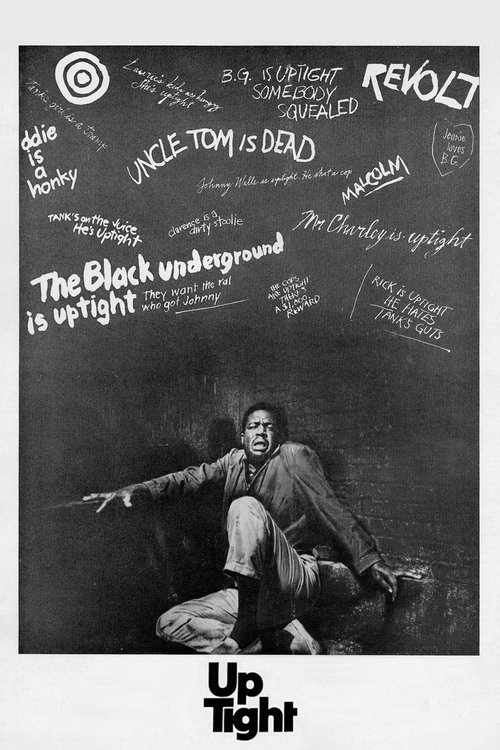
1968
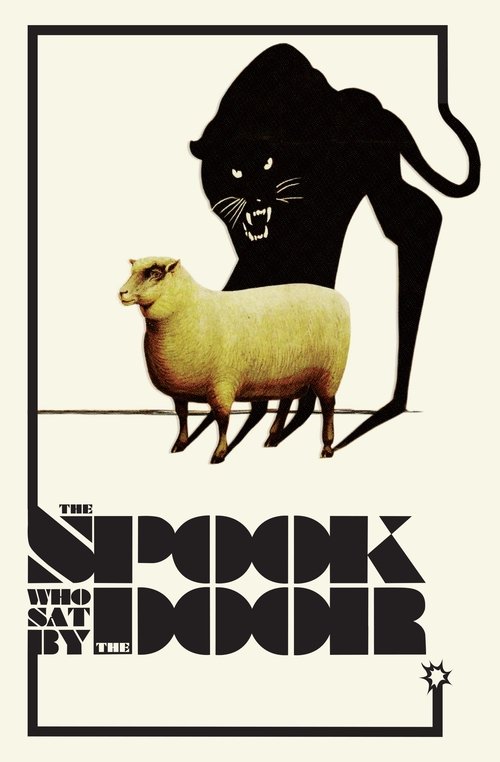
1973

1973

1971

1976

1970
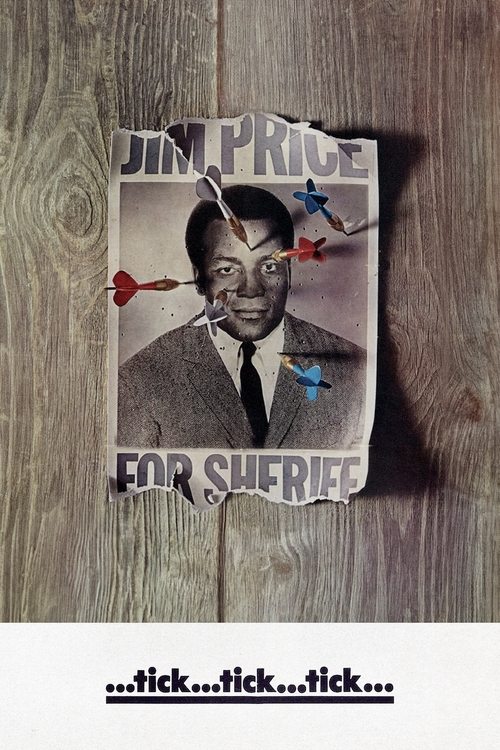
1970
No reviews yet. Be the first to share your thoughts on this movie!
Use the rating form above to leave a star rating and optional review.