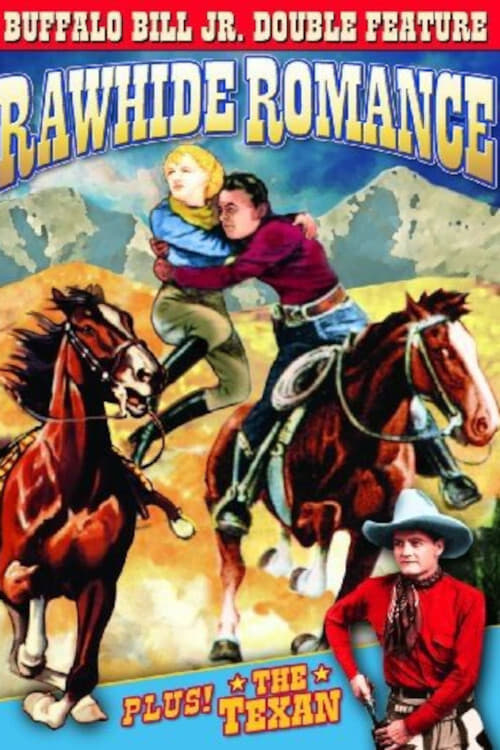
Rawhide Romance
1934
No user ratings available yet
Representation score: 0.4 out of 10
Representation Score
Minimal
1934
PassedDirector
Alan James
Runtime
60 minutes
Average Rating
No ratings yetNew Showbiz Analysis
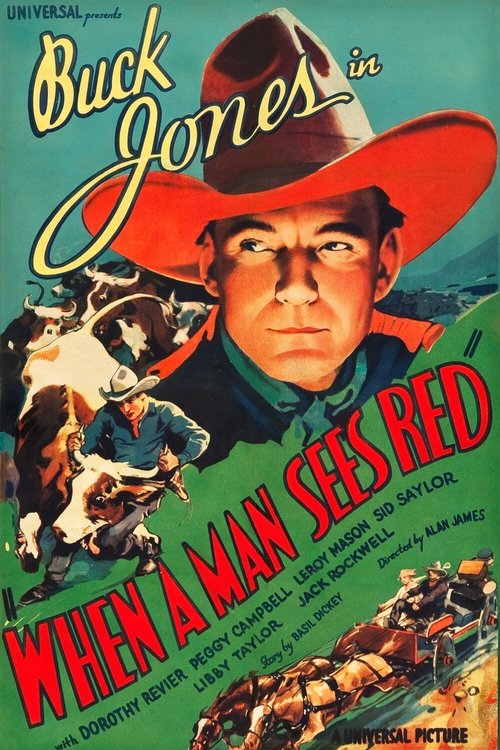
When a Man Sees Red is a traditional Western that follows the storytelling norms of the 1930s. The plot centers around a male hero protecting a female ranch owner from a thief, reinforcing traditional gender roles and the idea of female vulnerability. The film does not include diverse identities or challenge established social norms, sticking to conventional Western themes.
Category Breakdown
The film does not explore non-straight relationships or challenge the assumption that everyone is straight. There are no LGBTQ+ identities or narratives that question the assumption that everyone is straight or cisgender.
A female ranch owner is present, but the story relies on a male character to protect her property and influence her decisions.
The film seems to follow the conventions of the 1930s Western genre, which typically did not include racial diversity.
The story upholds traditional Western values, emphasizing property rights and distinguishing between good and bad characters based on their actions.
There is no mention of physical or neurodivergent disabilities in the film.
Present on Screen
Limited or Absent
Official Synopsis
Our hero tries to dissuade a pretty ranch owner from taking up with an unsavory character to no avail. Eventually, the lout proves himself to be a thief and a liar, out to wrest the ranch owner's property away from her.
1934
1940
1936
1937
1930
1931
1938
1924
No reviews yet. Be the first to share your thoughts on this movie!
Use the rating form above to leave a star rating and optional review.