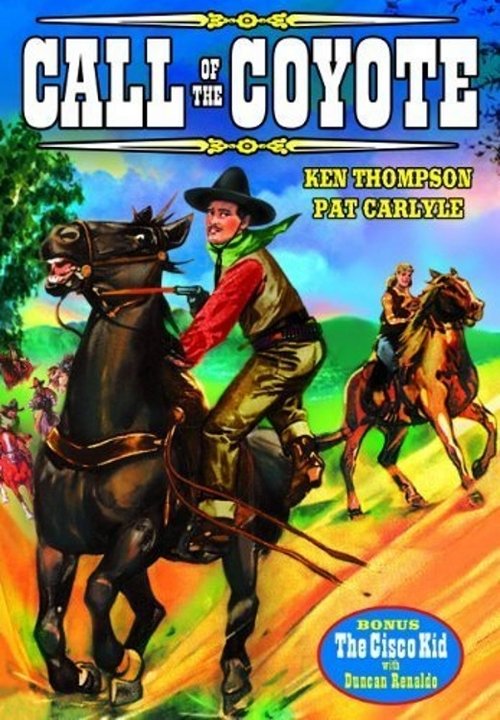
Call of the Coyote: A Legend of the Golden West
1934
No user ratings available yet
Representation score: 1.5 out of 10
Representation Score
Minimal
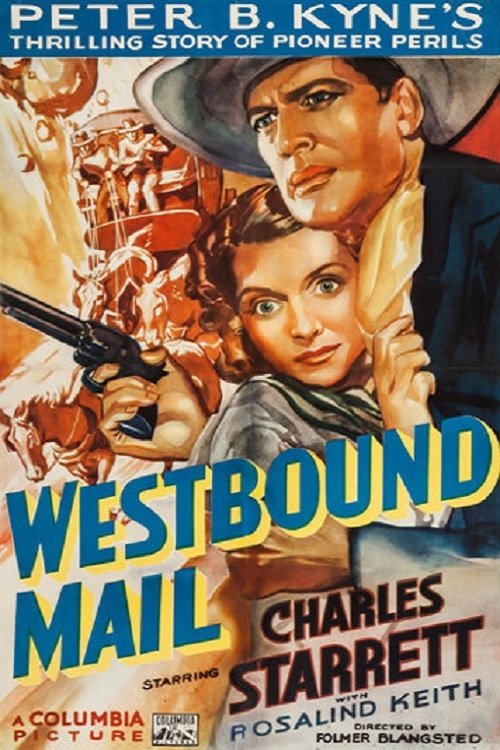
1937
ApprovedDirector
Folmar Blangsted
Runtime
60 minutes
Average Rating
No ratings yetNew Showbiz Analysis
Westbound Mail is a product of its era, adhering to the standard frontier mythologies of the 1930s. The narrative is driven by traditional Western values like property ownership and familial duty, offering little in the way of social complexity. The film lacks depth in representing different aspects of identity and focuses on a conflict between a gold miner and a postmistress. While the female lead has a strong sense of purpose, her character is defined by her relationship to her father's legacy. Overall, the film reflects a period of cinema that prioritized established social hierarchies and homogeneous settler narratives over diverse representation.
Category Breakdown
The film does not include any characters with non-binary or LGBTQ+ identities, nor does it show any same-sex relationships. The story focuses on land and traditional vows within a narrow perspective that assumes everyone is straight and cisgender.
Marion Saunders stands up against selling her land, showing she plays a significant role in driving the story. However, her motivations are tied to a patriarchal vow made to her father, keeping her role within traditional family structures.
The narrative likely follows the homogeneous white settler clichés common to 1930s Westerns. There is no indication of diverse casting or characters from different racial backgrounds with significant roles.
Themes center on property rights, individual ambition, and familial honor. The plot reinforces established codes of conduct and traditional Western values regarding capitalism and inheritance.
The film provides no information regarding the portrayal of characters with physical or neurodivergent disabilities.
Present on Screen
Limited or Absent
Official Synopsis
The gold mine belonging to "Gun" Barlow is worked out, and Barlow attempts to buy adjacent land, with the hopes his gold vein will continue, from town postmistress Marion Saunders who, keeping a vow she made to her father on his death-bed, refuses.
1934
1939
1931
1937
1944
1930
1937

1947
No reviews yet. Be the first to share your thoughts on this movie!
Use the rating form above to leave a star rating and optional review.