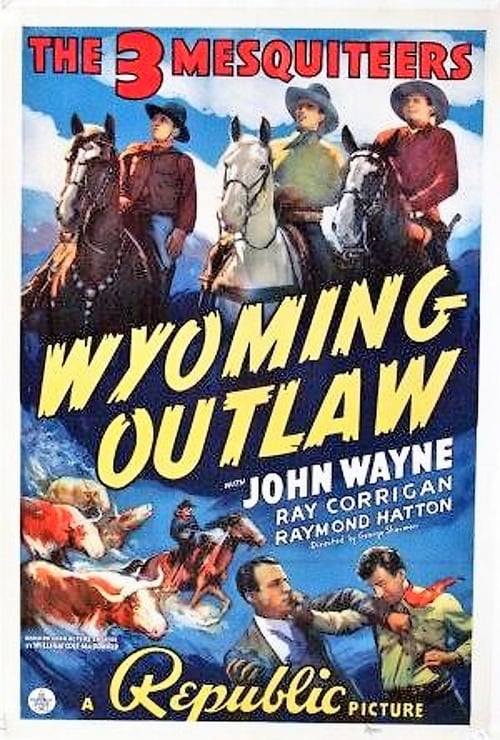
Wyoming Outlaw
1939
No user ratings available yet
Diversity score: 2.3 out of 10
1939
NRDirector
George Sherman
Runtime
56 minutes
Average Rating
No ratings yetSynopsis
Nancy Evans, lovely circus owner, has a ranch that she's never visited, but for sentimental reasons won't sell to Mike Abbott. Her partners, secretly in league with Abbott, sabotage the circus to force Nancy to sell the ranch; instead, she goes there to live. Will her neighbors, the Three Mesquiteers, be a match for the secret swindlers? And what's so valuable about that run-down ranch anyway?
Overall Score
Minimal
Category Breakdown
LGBTQ+ Representation
The film lacks LGBTQ+ characters or non-heteronormative identities. The story follows traditional social structures common in 1939 cinema.
Gender Representation
Nancy Evans holds property ownership, offering a slight departure from total female passivity. However, male agency drives the plot, positioning women as subjects of protection.
Racial & Ethnic Diversity
The narrative appears to reflect the homogeneous casting norms of the era. There is no evidence of diverse characters in positions of agency.
Religious & Cultural Diversity
The story utilizes a traditional Western framework centered on frontier justice. It reinforces conventional values regarding property rights and social order.
Disability Representation
There is no mention of characters possessing visible or invisible disabilities.
Strengths
Areas for Improvement
AI Analysis
Three Texas Steers is a conventional B-Western that adheres strictly to the genre tropes and social hierarchies of the late 1930s. While it provides a female lead with property rights, the narrative remains centered on male heroism and protection. The film lacks intersectional complexity, focusing instead on established tropes of land ownership and moral dichotomies. It functions as a standard product of its era, prioritizing traditional Western values over diverse representation.
1939
1938
1938
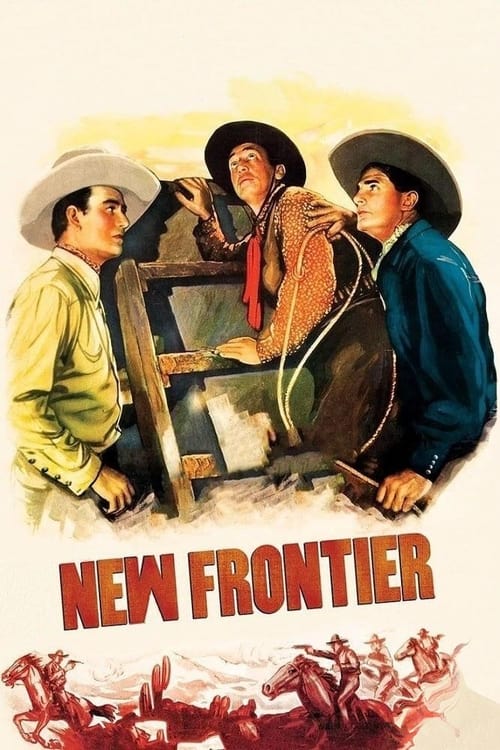
1939

1938
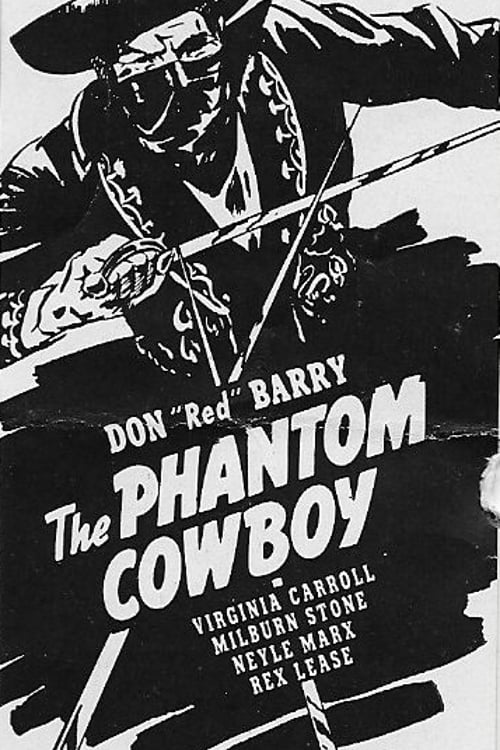
1941
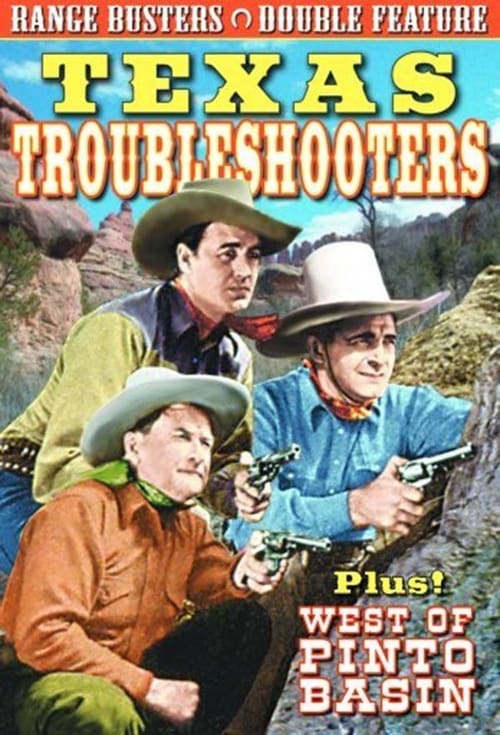
1942
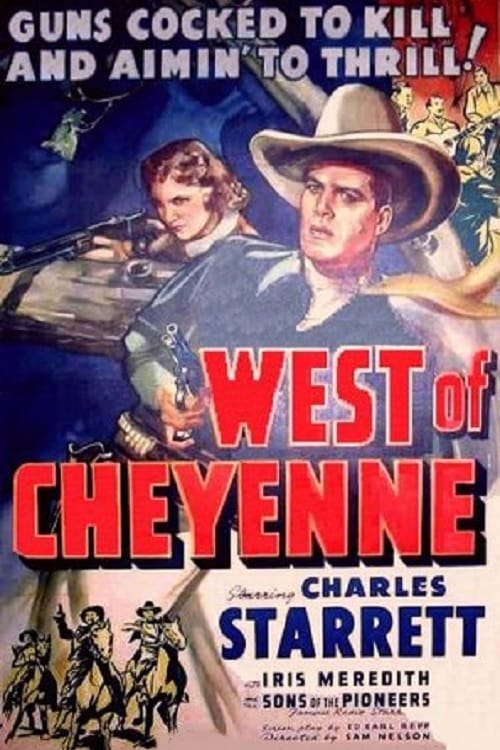
1938
1937
1937
1939
1934
No reviews yet. Be the first to share your thoughts on this movie!
Use the rating form above to leave a star rating and optional review.