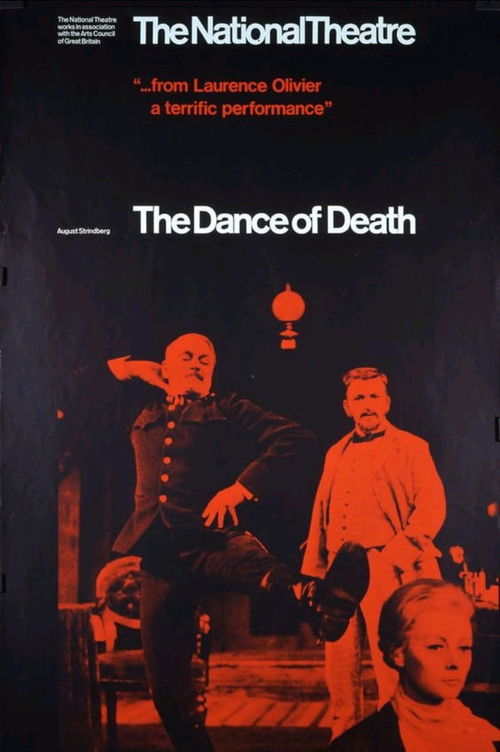
The Dance of Death
1969
No user ratings available yet
Diversity score: 3.3 out of 10
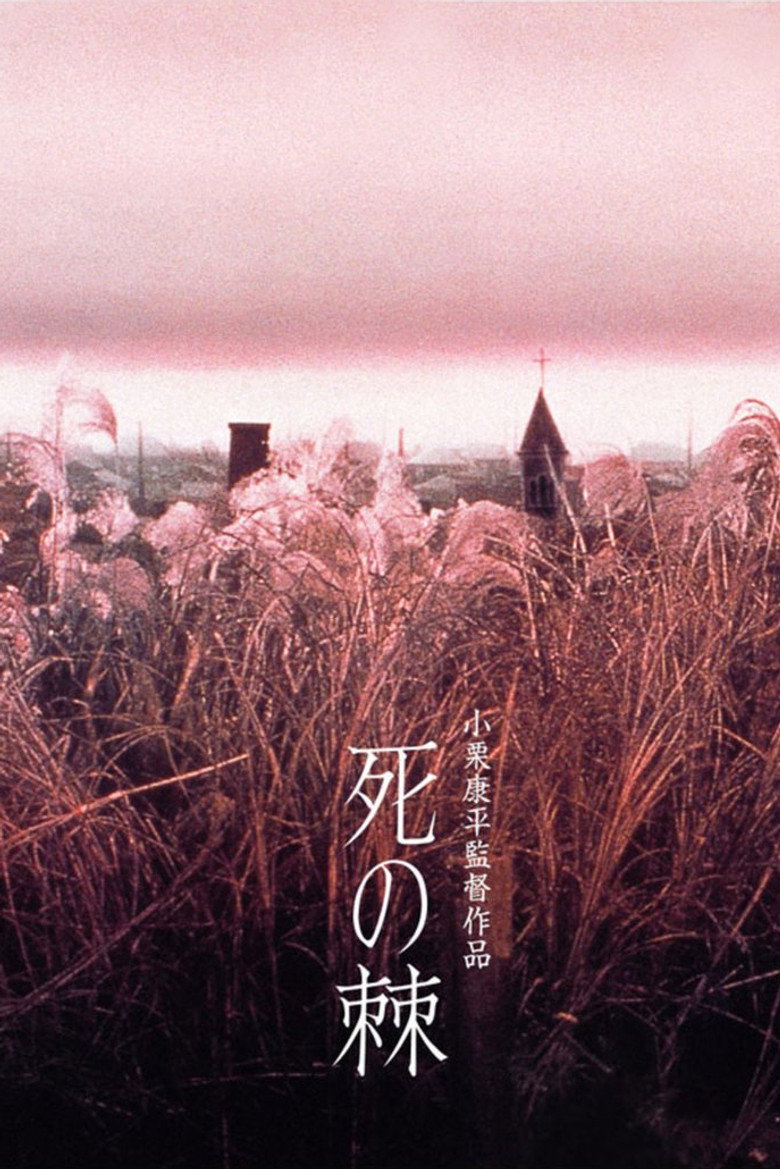
1990
Director
Kōhei Oguri
Runtime
115 minutes
Average Rating
No ratings yetSynopsis
Miho and Toshio, putting their children and household at stake, duel for control in their degrading, middle-aged marriage.
Overall Score
Fair
Category Breakdown
LGBTQ+ Representation
The film operates within a strictly heteronormative framework. There is no presence of non-cisnormative identities or same-sex intimacy.
Gender Representation
The narrative subverts patriarchal archetypes by showcasing male vulnerability. It disrupts expectations of masculine competence by focusing on emotional fragmentation and instability.
Racial & Ethnic Diversity
The production features a homogeneous Japanese cast. While it lacks multi-ethnic breadth, it maintains a high degree of cultural authenticity within its specific milieu.
Religious & Cultural Diversity
The film critiques the sanctity of the traditional family. It portrays the domestic sphere as a site of decay rather than a place of refuge.
Disability Representation
There are no prominent depictions of physical or neurodivergent disabilities. The film focuses instead on the universal experience of psychological trauma.
Strengths
Areas for Improvement
AI Analysis
Kōhei Oguri’s drama is a localized, psychological study that prioritizes realism over demographic variety. It avoids grand political gestures, focusing instead on the granular erosion of the nuclear family unit. The film's strength lies in its subversion of gender roles, presenting masculinity as a site of profound instability rather than authority. However, the narrative remains culturally and identity-specific, offering little intersectional breadth. Ultimately, the work functions as a critique of traditional social structures. It replaces the romanticized ideal of the household with a stark, often painful, depiction of domestic dissolution.
1969
1970
1992
1955
1957
2019
2001
1957

1969
1971

2020
1988
No reviews yet. Be the first to share your thoughts on this movie!
Use the rating form above to leave a star rating and optional review.