The Noose
1958
No user ratings available yet
Diversity score: 5.3 out of 10
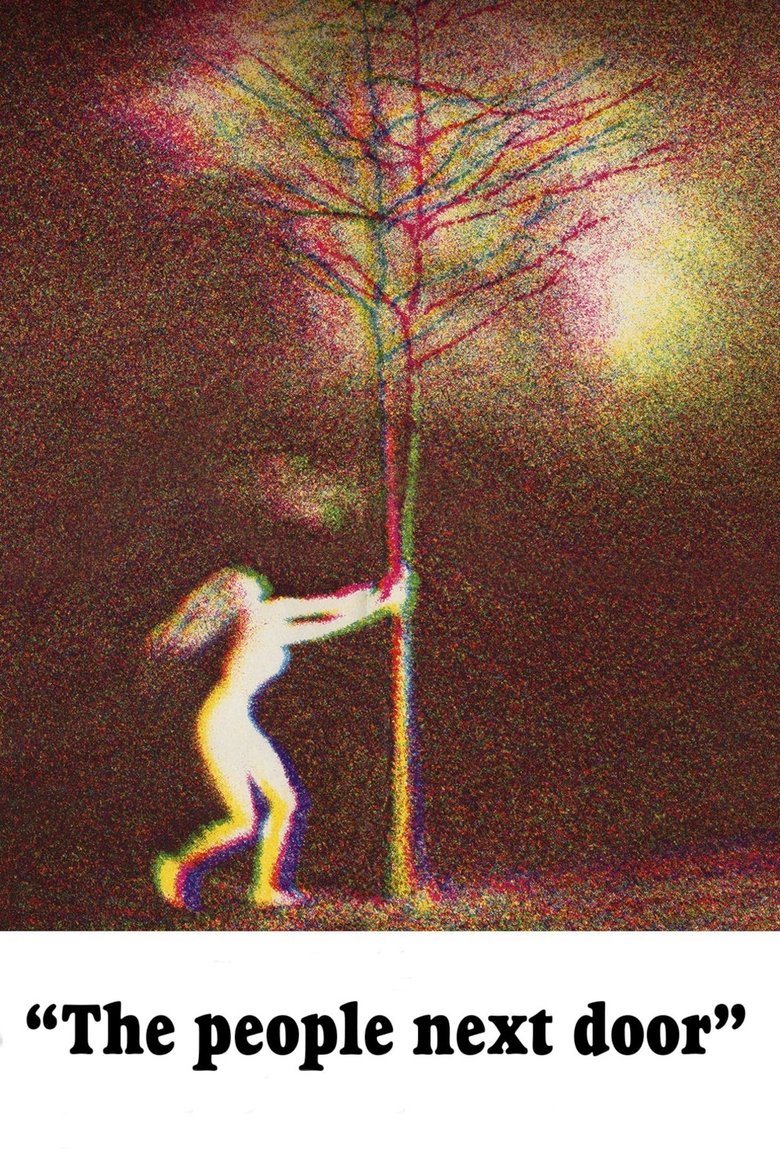
1970
RDirector
David Greene
Runtime
93 minutes
Average Rating
No ratings yetSynopsis
A married couple struggle with the realities of their imperfect marriage as they fight to save and rehabilitate their teenage daughter from a life of drug addiction and ultimate committal to a mental ward.
Overall Score
Fair
Category Breakdown
LGBTQ+ Representation
The film lacks any evidence of LGBTQ+ characters or non-heteronormative identities. The narrative remains centered on a fractured heteronormative nuclear family.
Gender Representation
The story subverts traditional hierarchies by deconstructing the 'stable provider' archetype. It portrays husbands as subjects of emotional struggle rather than infallible leaders.
Racial & Ethnic Diversity
Reflecting its 1970 release, the film appears demographically homogeneous. There is no indication of significant racial blending within the primary character arcs.
Religious & Cultural Diversity
The film disrupts idealized Western domesticity by focusing on drug addiction and mental institutionalization. It presents the suburban life as a veneer for dysfunction.
Disability Representation
Mental health struggles serve as a central narrative force through a character's committal to a mental ward. This engages directly with psychological illness.
Strengths
Areas for Improvement
AI Analysis
The People Next Door functions as a social realist critique of the mid-century suburban myth. It finds its strength in deconstructing the idealized nuclear family through gritty, realistic themes of substance abuse and mental health. However, the film is limited by the demographic homogeneity typical of its era. It lacks intersectional depth, offering little in the way of racial or LGBTQ+ representation. Ultimately, the film's value lies in its cynical look at domestic stability rather than its commitment to modern diversity standards.
1958

2005

1987
1993

2017
1963

1972
1985

1967

1982
1996

1980
No reviews yet. Be the first to share your thoughts on this movie!
Use the rating form above to leave a star rating and optional review.