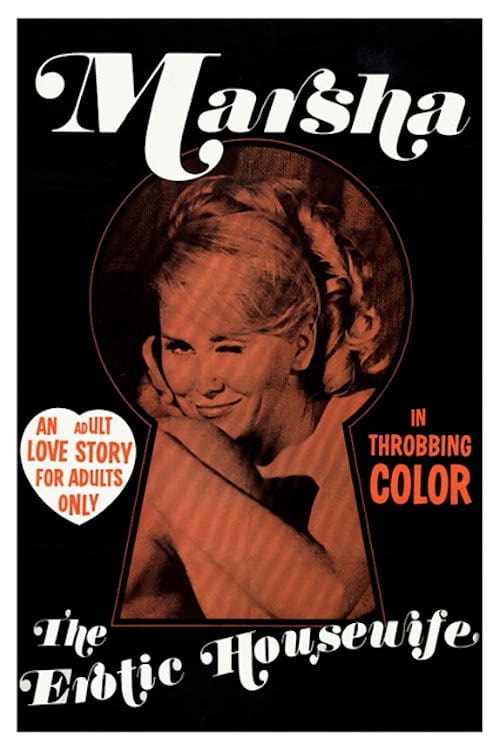
Marsha: The Erotic Housewife
1970
No user ratings available yet
Representation score: 2.6 out of 10
Representation Score
Fair
1971
Director
Shōgorō Nishimura
Runtime
64 minutes
Average Rating
No ratings yetNew Showbiz Analysis
The film disrupts the domestic status quo by challenging the 'ideal housewife' cliché. It offers a unique perspective on female desire and the dismantling of traditional domestic structures within the Pinku eiga genre. However, the narrative lacks multi-layered complexity. It is confined to a culturally homogeneous Japanese setting and focuses heavily on traditional romantic relationships and infidelity. Ultimately, while it challenges certain social expectations of the 1970s, it remains a character study of individual rebellion rather than a broader systemic critique.
Category Breakdown
The film focuses on infidelity within traditional relationships and does not explicitly show LGBTQ+ characters. The story revolves around a housewife's dissatisfaction within a conventional romantic relationship.
The story challenges gender hierarchies by focusing on a woman's pursuit of independence and emotional autonomy. However, it often presents this struggle through melodramatic and erotic elements.
Set within the Japanese studio system of the early 1970s, the film depicts a culturally homogeneous environment. There is no evidence of diverse racial or ethnic representation.
The film critiques rigid social structures and the 'apartment wife' archetype of middle-class Japanese life. It questions the sanctity of the nuclear family through a lens of moral relativism.
There is no evidence of characters with physical or neurodivergent disabilities being portrayed. The focus remains on the psychological dynamics of the central protagonist.
Present on Screen
Limited or Absent
Official Synopsis
A sexually unsatisfied housewife gets into a world of trouble when her meetings with an old friend are discovered.
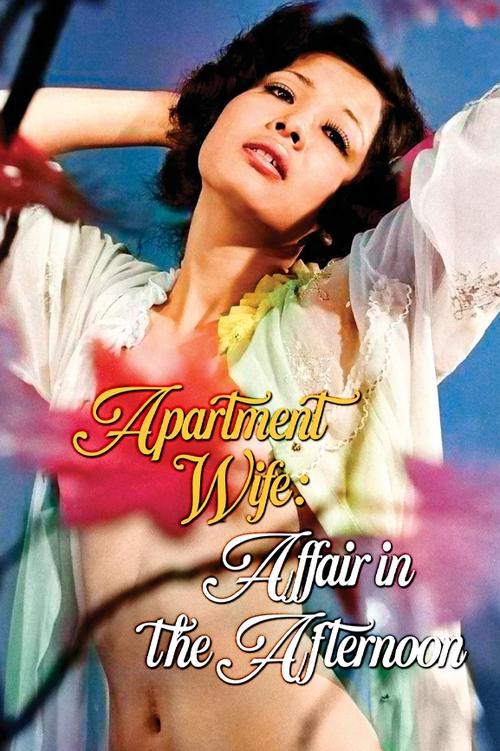
1970
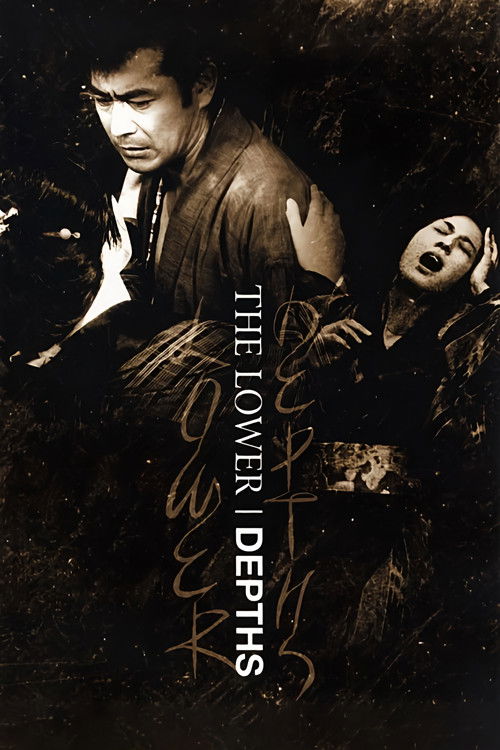
1957

1972
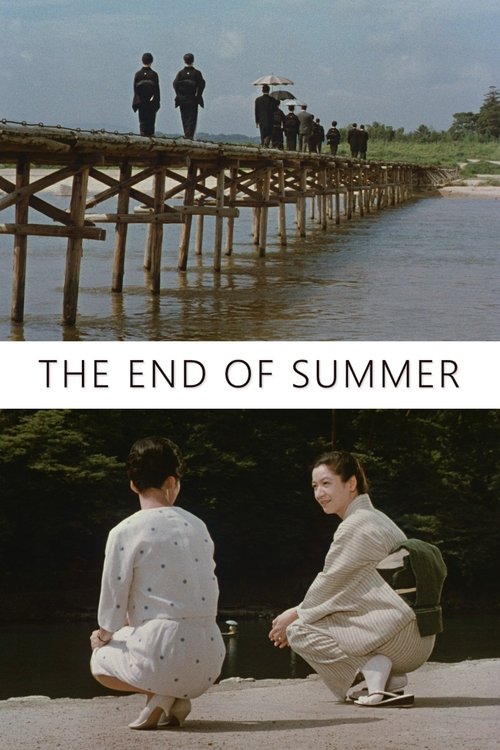
1961
1986
1978

1983

1976
No reviews yet. Be the first to share your thoughts on this movie!
Use the rating form above to leave a star rating and optional review.