Therese
1962
No user ratings available yet
Representation score: 2.9 out of 10
Representation Score
Fair
1969
GDirector
David Giles
Runtime
149 minutes
Average Rating
No ratings yetNew Showbiz Analysis
The film serves as a claustrophobic psychological study that challenges mid-century domestic ideals by depicting marriage as a site of psychological warfare. However, it is limited by its historical and geographic context, focusing on a homogeneous European cast and a strictly heterosexual conflict. While Edgar’s character provides insight into mental decline, the narrative uses his illness mainly to fuel antagonism.
Category Breakdown
The film focuses solely on a heterosexual marital conflict and does not include any LGBTQ+ identities or queer subtext.
Alice challenges traditional gender roles by standing up to her husband's arrogance, while Edgar is portrayed as a declining, unstable figure.
The film is set in an isolated Swedish coastal fortress and features a homogeneous European cast with no indication of racial or ethnic diversity.
The story frames marriage as a brutal conflict, rejecting traditional family ideals, but remains a localized psychological study without broader cultural critique.
Edgar’s portrayal includes themes of mental health, but his illness is used primarily to drive his antagonistic behavior.
Present on Screen
Limited or Absent
Official Synopsis
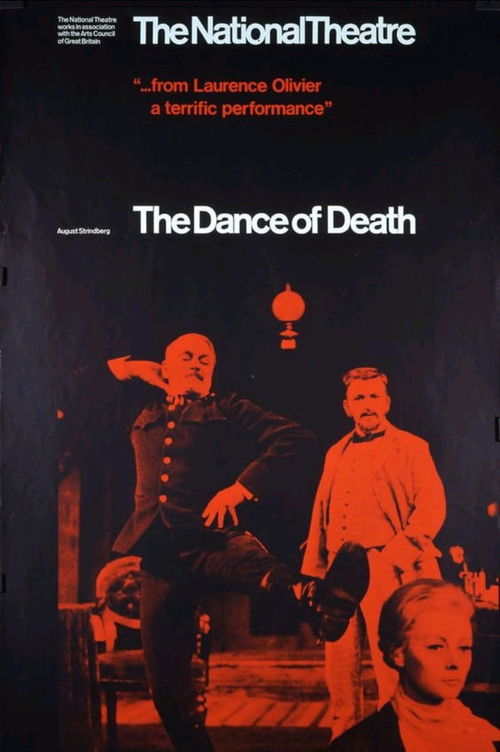
An egocentric artillery captain and his venomous wife engage in savage unremitting battles in their isolated island fortress of the coast of Sweden at the turn of the century. Alice, a former actress who sacrificed her career for secluded military life with Edgar, reveals on the occasion of their 25th wedding anniversary, the veritable hell their marriage has been. Edgar, an aging schizoid who refuses to acknowledge his severe illness, struggles to sustain his ferocity and arrogance with an animal disregard for other people.
1962
1969
1986

1950

1970
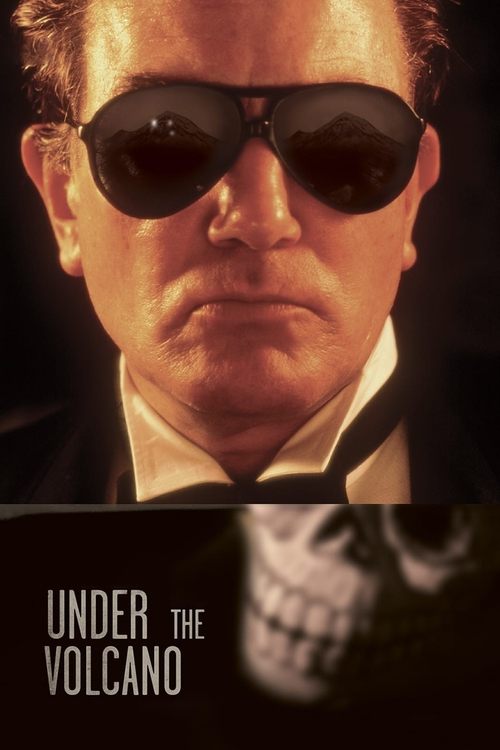
1984

1947

1974
No reviews yet. Be the first to share your thoughts on this movie!
Use the rating form above to leave a star rating and optional review.