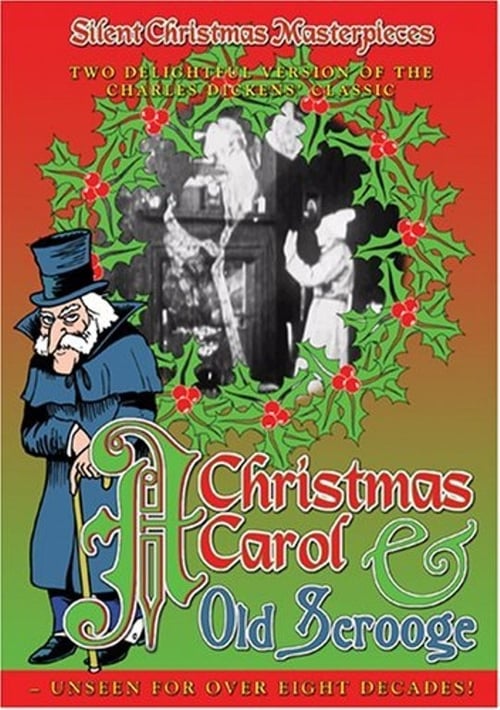
Scrooge
1913
No user ratings available yet
Representation score: 3.4 out of 10
Representation Score
Limited
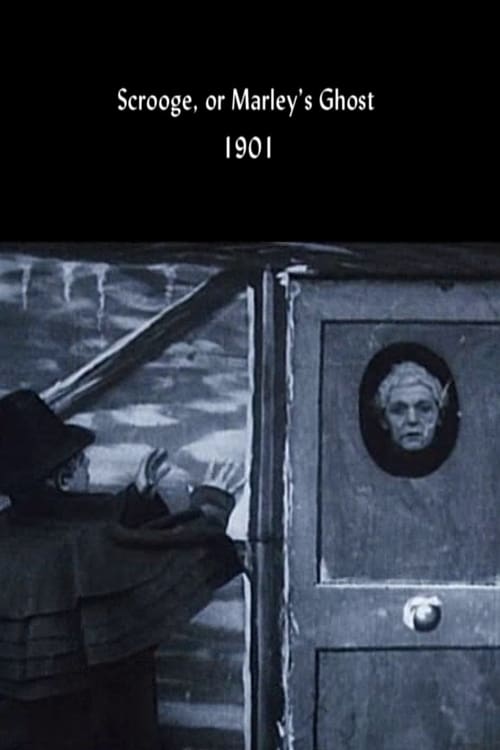
1901
GDirector
Walter R. Booth
Runtime
6 minutes
Average Rating
No ratings yetNew Showbiz Analysis
This 1901 adaptation of Dickens' classic reflects the social and gender norms of the early 20th century. The story is primarily focused on the male protagonist's spiritual journey, leaving little room for diverse perspectives. Despite the lack of characters who reflect more than one aspect of diversity, the film offers a sophisticated critique of class-based greed. It addresses the tension between personal wealth and social responsibility, moving beyond a simple moral tale. Overall, the film adheres to the conventional racial and gender norms of its era, presenting a monolithic view of Victorian society without modern diversity.
Category Breakdown
The film does not feature any LGBTQ+ characters or explore non-straight relationships. It centers on traditional domestic and professional roles of the time period.
Female characters play important roles within the families of Scrooge and Cratchit, but they do not have the power to drive the main plot, which focuses on the male protagonist.
The film portrays a homogeneous social environment of Victorian London, with no evidence of racial or ethnic diversity among the cast.
The movie critiques socioeconomic disparities through religious and moral themes. It highlights the isolation and moral decay caused by unchecked wealth.
Tiny Tim's frailty is used as a narrative device to evoke sympathy, rather than showing him as an independent character with his own choices.
Present on Screen
Limited or Absent
Official Synopsis
Filmed in 35mm and in black and white, this short silent film was produced by the English film pioneer R. W. Paul, and directed by Walter R. Booth and was filmed at Paul's Animatograph Works. It was released in November 1901. As was common in cinema's early days, the filmmakers chose to adapt an already well-known story, in this case A Christmas Carol by Charles Dickens, in the belief that the audience's familiarity with the story would result in the need for fewer intertitles. It was presented in 'Twelve Tableaux' or scenes.
1913
1921

2012
1938
1907
1921
1905
1951
No reviews yet. Be the first to share your thoughts on this movie!
Use the rating form above to leave a star rating and optional review.