The Queen of Spades
1949
No user ratings available yet
Representation score: 3.7 out of 10
Representation Score
Minimal
1901
Director
Ferdinand Zecca
Runtime
11 minutes
Average Rating
No ratings yetNew Showbiz Analysis
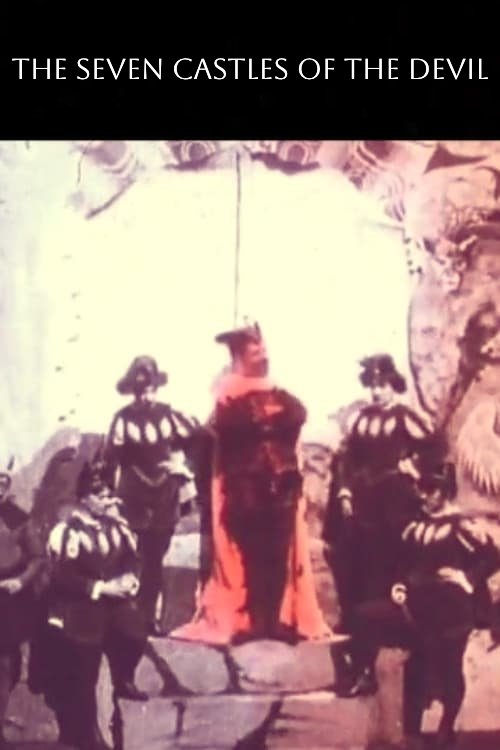
Ferdinand Zecca’s early fantasy drama is a technical milestone, showcasing pioneering use of multiple exposures and dissolves. However, its narrative structure is deeply rooted in conservative, turn-of-the-century moralism. The film serves as a cautionary tale about greed and material desire, using the Seven Capital Sins as a framework for a man's moral decline. In terms of representation, the film is highly limited. It centers on a male-driven struggle that lacks gender diversity and ignores LGBTQ+ identities entirely. Casting follows the homogeneous standards of the era, offering no racial or ethnic breadth. Additionally, the film relies on traditional religious hierarchies without challenging them.
Category Breakdown
The story focuses solely on a male protagonist and a supernatural antagonist, with no representation of LGBTQ+ identities or non-assuming gender matches what was assigned at birth narratives.
The narrative centers on a traditional male-driven moral struggle where female characters have little ability to act, adhering to patriarchal storytelling norms of the early 1900s.
The film reflects the homogeneous casting standards of early French cinema, with no indication of racial blending or diverse ethnic representation.
The film reinforces traditional Western moral structures through the allegory of the Seven Capital Sins, utilizing established religious hierarchies without deconstructing them.
There is no evidence of characters with visible or invisible disabilities, nor are neurodivergence or physical impairments used as narrative devices.
Present on Screen
Limited or Absent
Official Synopsis
An unhappy woodcutter is temped by the devil with riches and honors. They visit seven castles, as the man acquires the Seven Capital Sins these castles represent. Pioneering trick effects include multiple exposures and dissolves in this early féerie.
1949
1921

1917
1926
1903
1975

1925
1904
No reviews yet. Be the first to share your thoughts on this movie!
Use the rating form above to leave a star rating and optional review.