Juliette, or Key of Dreams
1951
No user ratings available yet
Representation score: 2.8 out of 10
Representation Score
Minimal
1921
Not RatedDirector
Fritz Lang
Runtime
98 minutes
Average Rating
No ratings yetNew Showbiz Analysis
Fritz Lang’s *Destiny* is a seminal work of German Expressionism that prioritizes metaphysical inquiry over social commentary. The film employs a dream-like, episodic structure to explore the inevitability of fate and the human condition. From a modern perspective, the work is highly traditional, focusing on the deconstruction of individual ability to act rather than social or identity-based hierarchies. Its thematic depth lies in its atmospheric tension and psychological weight, but it lacks engagement with contemporary frameworks of identity politics.
Category Breakdown
The film does not depict any LGBTQ+ identities or narratives. The central conflict revolves around a traditional romantic relationship between a man and a woman.
While the male protagonist embodies traditional archetypes of battling fate, the female lead demonstrates a significant role in driving the story. She acts as the primary seeker of truth, actively engaging with the personification of Death.
The cast is predominantly white, reflecting early 1920s cinema standards. Exotic locations serve primarily as visual backdrops for expressionist storytelling rather than for cultural exploration.
The narrative centers on metaphysical fatalism rather than specific religious themes. It avoids critiquing Western institutions and focuses on the individual's psychological struggle against fate.
There are no representations of physical or neurodivergent disabilities in the film. The characters' conflicts are purely existential and metaphysical.
Present on Screen
Limited or Absent
Official Synopsis
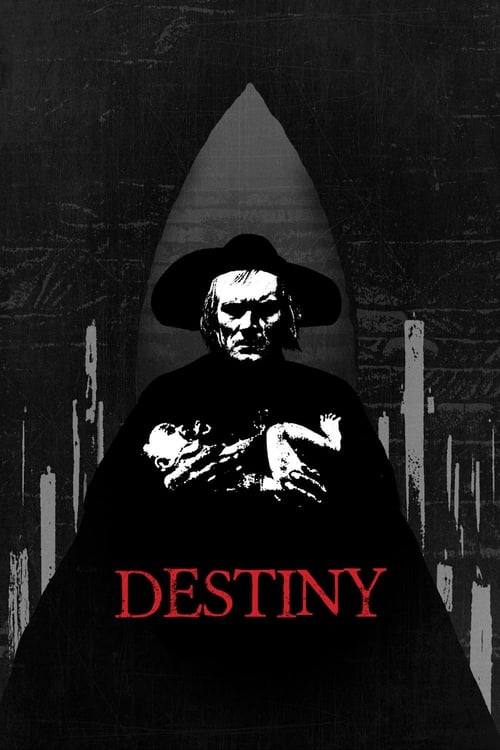
As a young couple stops and rests in a small village inn, the man is abducted by Death and sequestered behind a huge doorless, windowless wall. The woman poisons herself in order to join him and is met by Death, who gives her three opportunities to prove that love is stronger than death, thereby freeing her beloved from his fate.
1951
1950
1901
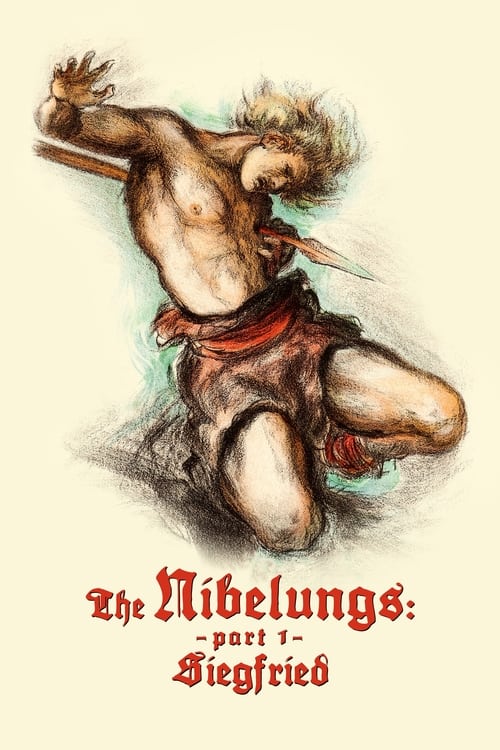
1924
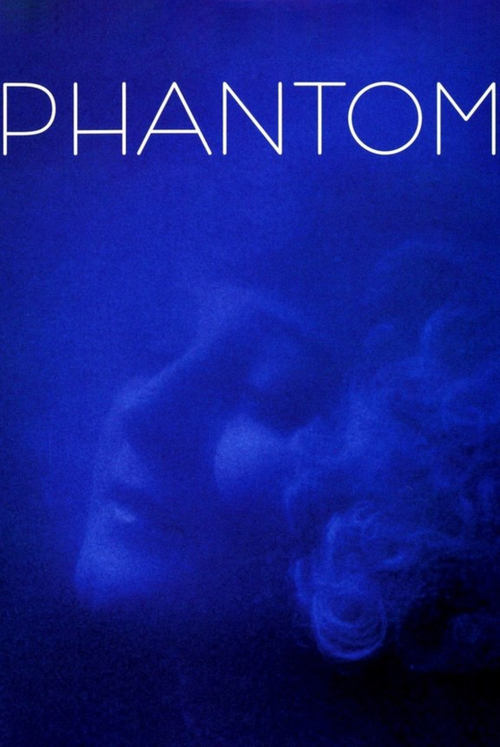
1922
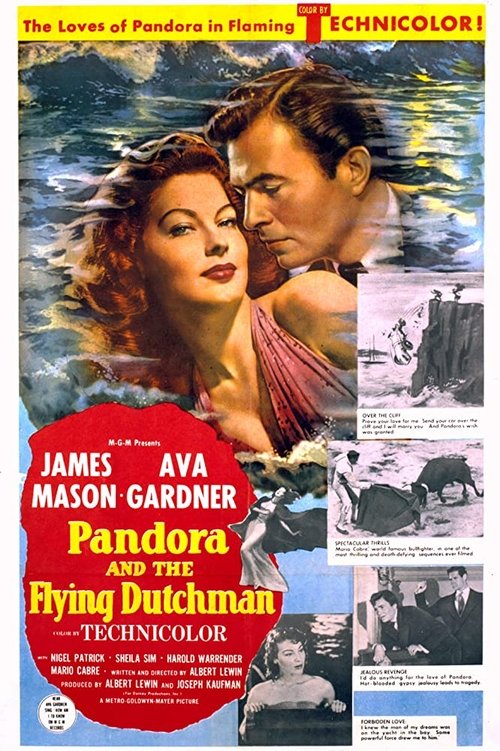
1951

1924

1931
No reviews yet. Be the first to share your thoughts on this movie!
Use the rating form above to leave a star rating and optional review.