It Came Upon the Midnight Clear
1984
No user ratings available yet
Representation score: 1.2 out of 10
Representation Score
Fair
1964
Director
Joseph L. Mankiewicz
Runtime
84 minutes
Average Rating
No ratings yetNew Showbiz Analysis
This production functions as a sophisticated deconstruction of the Dickensian fable, shifting the focus from individual piety to a critique of socioeconomic structures. It replaces simple moralism with a complex, socio-political framework of responsibility. While the film scores low in traditional demographic categories like race, gender, and LGBTQ+ identity, it finds strength in its narrative subversion. The story challenges the 'Great Man' archetype and critiques the hoarding of wealth. Ultimately, the film's impact lies in its intentionality. It uses a familiar holiday framework to deliver a pointed message regarding wealth redistribution and social ethics.
Category Breakdown
The film does not include any identifiable LGBTQ+ characters or narratives. The story focuses solely on the protagonist's psychological journey within a stylized, satirical setting.
The narrative centers heavily on the male protagonist, Daniel Grudge. While it avoids reinforcing traditional hierarchies, it lacks significant women's ability to drive the story or challenges to masculine leadership.
The casting reflects the homogeneous racial norms typical of 1964 television. There is no evidence of actors from diverse backgrounds being cast in roles traditionally held by white actors.
The film excels in critiquing Western institutions through an anti-capitalist lens. It prioritizes secular social ethics and systemic empathy over traditional Christian dogma.
There are no prominent depictions of physical or neurodivergent disabilities. The protagonist's emotional isolation serves as a metaphor rather than a representation of disability.
Present on Screen
Limited or Absent
Official Synopsis
Wealthy industrialist and fierce isolationist Daniel Grudge, long embittered by the loss of his son in World War II, is visited by three ghosts on Christmas Eve who lead him to reconsider his attitude toward his fellow man.
1984
1951
1984
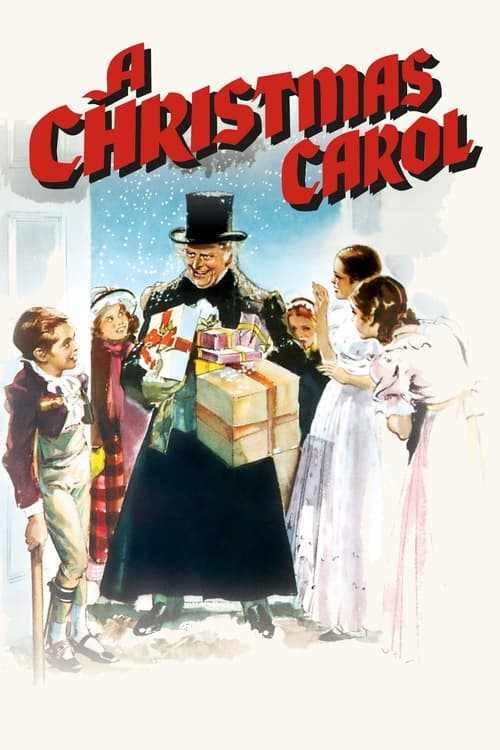
1938

2023

1999
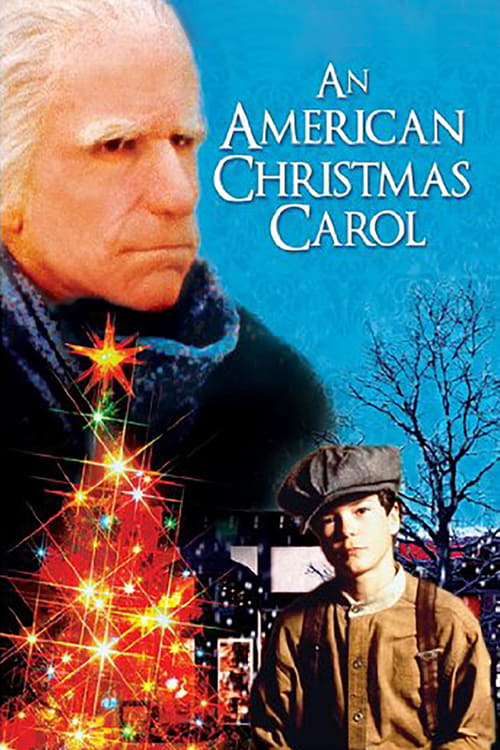
1979
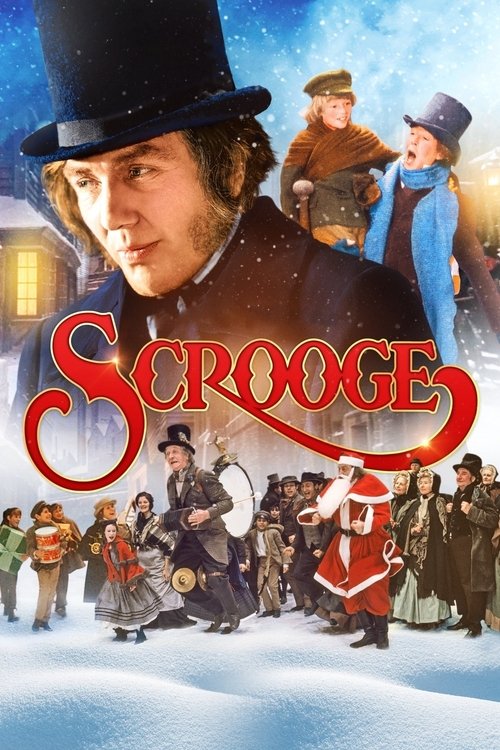
1970
No reviews yet. Be the first to share your thoughts on this movie!
Use the rating form above to leave a star rating and optional review.