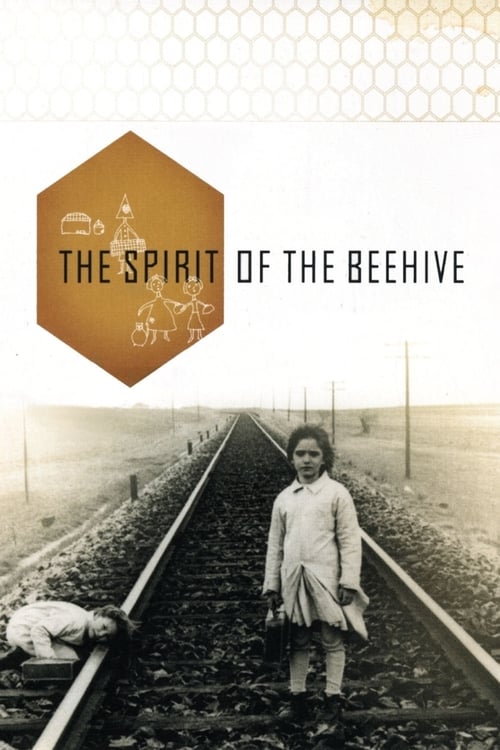
The Spirit of the Beehive
1973
No user ratings available yet
Diversity score: 5.6 out of 10

1928
Director
Jean Renoir
Runtime
38 minutes
Average Rating
No ratings yetSynopsis
An impoverished girl tries to sell matches on New Year's Eve. Shivering with cold and unable to sell her wares, she sits in a sheltered nook. Striking a match to keep warm, the flame shows her what's beyond.
Overall Score
Fair
Category Breakdown
LGBTQ+ Representation
The film contains no depictions of LGBTQ+ identities or queer narratives. The story focuses exclusively on the singular experience of the protagonist.
Gender Representation
The narrative centers on a female child, granting her emotional agency and importance. While it doesn't subvert hierarchies, it disrupts the passive female trope by highlighting her survival instincts.
Racial & Ethnic Diversity
The film depicts a homogeneous urban environment typical of early 20th-century European cinema. There is no evidence of racial or ethnic blending within the narrative.
Religious & Cultural Diversity
The film critiques social indifference and the failures of urban structures to protect the vulnerable. It frames poverty as a systemic condition rather than a moral failing.
Disability Representation
The protagonist's extreme physical vulnerability due to exposure functions as a depiction of bodily fragility. The film focuses on the grim reality of her physical suffering.
Strengths
Areas for Improvement
AI Analysis
Jean Renoir’s adaptation of the Hans Christian Andersen tale uses an empathetic lens to explore socioeconomic marginalization. The film's strength lies in its humanistic approach to systemic neglect and the psychological toll of poverty. However, the work lacks modern intersectional markers. The absence of racial, ethnic, or LGBTQ+ diversity results in a narrow social scope, focusing almost entirely on class and individual survival.
1973
2018
1931

1962
1990

1975

1913

2024

1960

1955
1908

1912
No reviews yet. Be the first to share your thoughts on this movie!
Use the rating form above to leave a star rating and optional review.