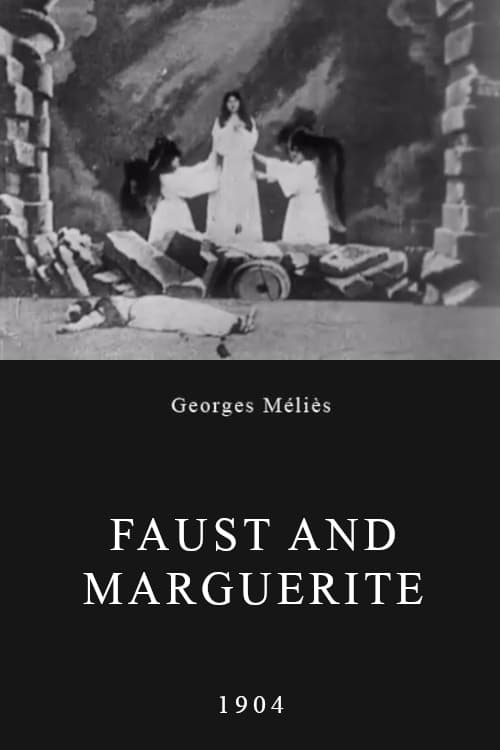
Faust and Marguerite
1904
No user ratings available yet
Representation score: 0.4 out of 10
Representation Score
Limited
1913
ApprovedDirector
Stellan Rye
Runtime
85 minutes
Average Rating
No ratings yetNew Showbiz Analysis
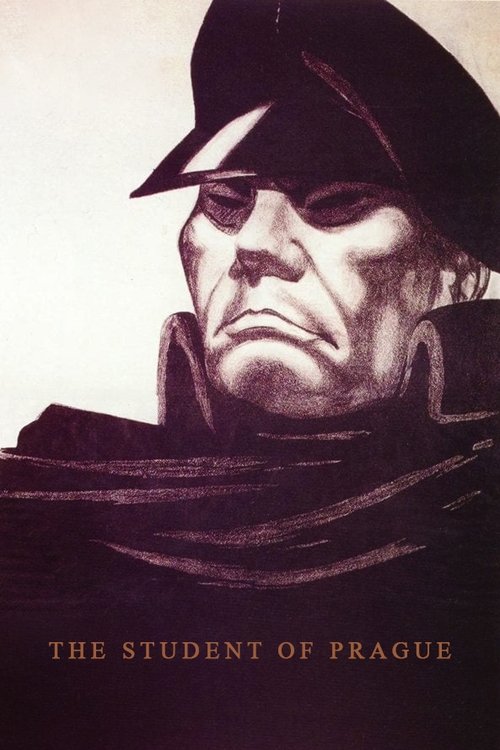
The Student of Prague is a foundational work of German Expressionism that emphasizes metaphysical and psychological exploration over social representation. Its narrative focuses on the fractured psyche and the concept of the supernatural double. Produced in 1913, the film adheres to the era's conventional social structures. It lacks diversity in terms of race, gender roles, and LGBTQ+ identities, reflecting the localized demographics of early 20th-century European cinema. Ultimately, the film's impact is primarily aesthetic and psychological. It seeks to disrupt reality through visual distortion rather than through the subversion of demographic hierarchies or identity-based storytelling.
Category Breakdown
The story centers on a relationship between Balduin and Countess Margit, which follows traditional heterosexual norms. There are no queer subtexts or non-binary identities explored in the plot.
The narrative follows a traditional structure where the female lead serves as a passive catalyst. The central conflict revolves around the male protagonist's psychological struggle and his active role in the story.
Casting reflects the homogeneous European population of 1913 Prague. There are no non-white characters or intentional ethnic blending in the film.
The film operates as a psychological fable rather than a socio-political critique. It explores universal themes of duality without challenging Western institutions or systemic oppression.
The protagonist's mental decline is portrayed as supernatural horror rather than a lived experience of neurodivergence. The film lacks a nuanced depiction of mental health issues.
Present on Screen
Limited or Absent
Official Synopsis
Prague, Bohemia, 1820. Balduin, a penniless student, falls in love with Countess Margit, a wealthy noblewoman whom he has saved from drowning.
1904

1951

1916

1921
1923
1923
1907

2011
No reviews yet. Be the first to share your thoughts on this movie!
Use the rating form above to leave a star rating and optional review.