
8 Ball Bunny
1950
No user ratings available yet
Representation score: 0.3 out of 10
Representation Score
Minimal
1962
TV-Y7Director
Gene Deitch
Runtime
7 minutes
Average Rating
No ratings yetNew Showbiz Analysis
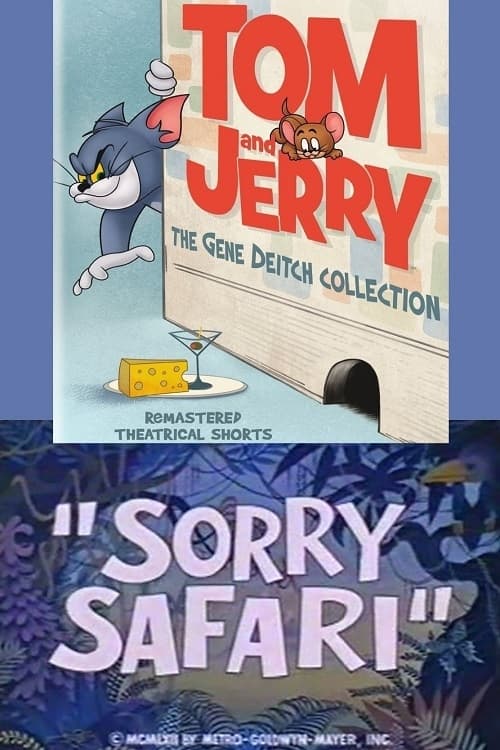
Sorry Safari is a product of its 1962 era, leaning heavily into traditional Western adventure clichés. The narrative structure prioritizes slapstick conflict between Tom and Jerry over any meaningful character depth or social nuance. The film utilizes Kenya primarily as a scenic backdrop for a hunting expedition, a common practice in mid-century animation that often sidelines local ability to act. This reinforces a colonialist perspective where the landscape serves the Western protagonist's journey. Ultimately, the film lacks diverse representation, focusing instead on a narrow, conventional framework of masculinity and adventure that avoids any systemic critique or diverse character development.
Category Breakdown
The film focuses on a slapstick rivalry between Tom and Jerry. There is no presence of LGBTQ+ identities or same-sex intimacy.
Male characters like Tom and Clint play key roles in the narrative. The story follows typical slapstick humor without challenging traditional gender roles.
Set in Kenya, the film uses the African landscape as a passive backdrop for Western adventure. It lacks characters of color who take a leading role.
The hunting safari theme reinforces colonial-era adventure clichés. The story centers on Western dominance over foreign landscapes and nature.
There are no characters with visible or invisible disabilities. No such identities are used as plot devices within the narrative.
Present on Screen
Limited or Absent
Official Synopsis
Tom joins his owner on a hunting safari in Kenya. Jerry has hidden himself in the Clint's luggage, and Tom quickly sees him and attempts to get rid of him.
1950
1952

1954
1962
1962
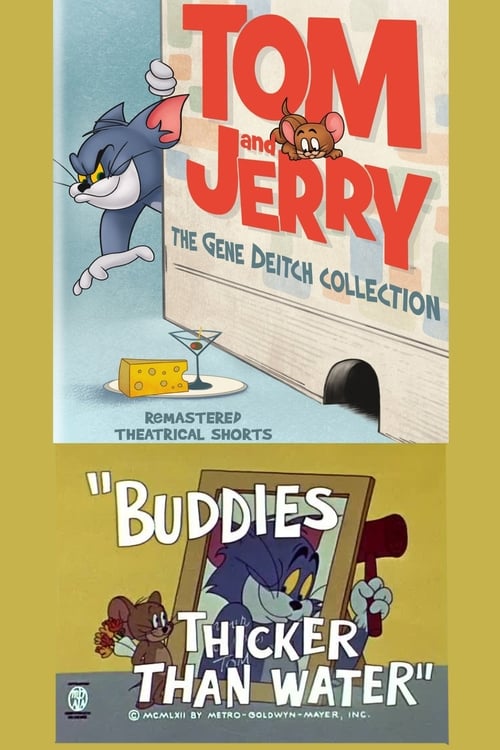
1962
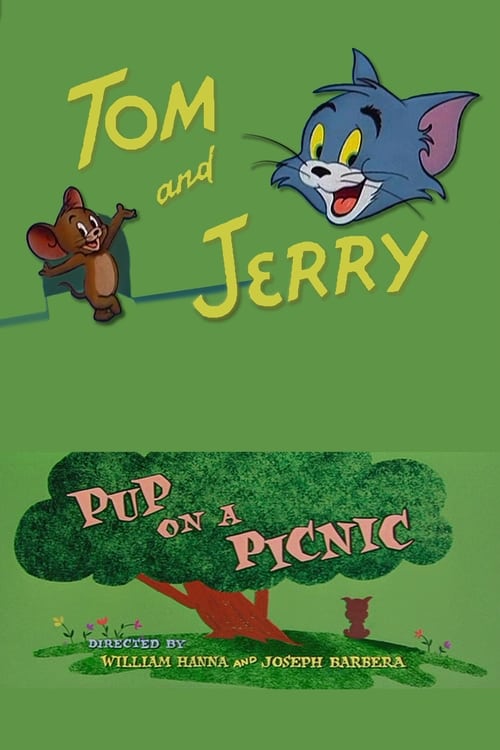
1955
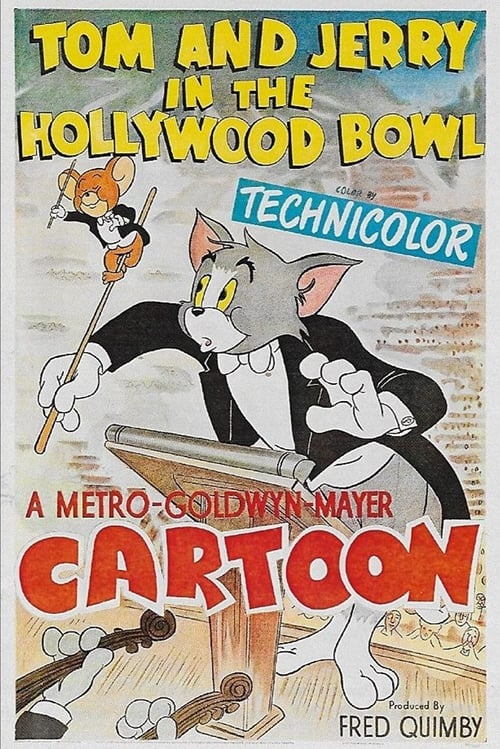
1950
No reviews yet. Be the first to share your thoughts on this movie!
Use the rating form above to leave a star rating and optional review.