Porky's Duck Hunt
1937
No user ratings available yet
Diversity score: 1.3 out of 10
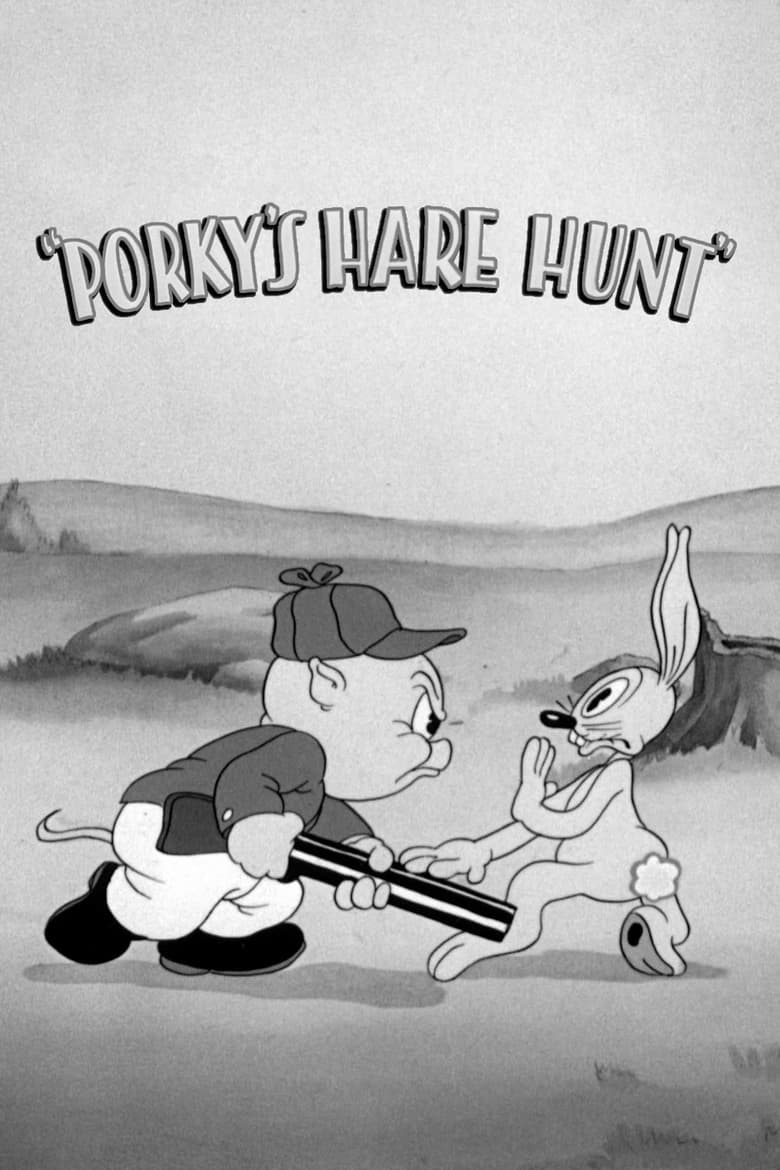
1938
NRDirector
Ben Hardaway
Runtime
8 minutes
Average Rating
No ratings yetSynopsis
Porky Pig goes after a rogue rabbit who manages to frustrate him at every turn.
Overall Score
Minimal
Category Breakdown
LGBTQ+ Representation
The film contains no depictions of non-heteronormative identities or queer themes. Character dynamics are limited to a binary interaction between two male-coded animals.
Gender Representation
There are no female characters present in the narrative. The story centers entirely on a masculine-coded pursuit between a hunter and a disruptive rabbit.
Racial & Ethnic Diversity
The setting is a non-specific forest populated by anthropomorphic animals. There is no evidence of racial or ethnic representation or diverse human identity metaphors.
Religious & Cultural Diversity
The film operates within a traditional framework. It lacks engagement with religious, political, or socioeconomic themes, focusing instead on standard slapstick comedy.
Disability Representation
No characters are portrayed with visible or invisible disabilities. Physical mishaps serve as comedic devices rather than explorations of impairment or neurodivergence.
Strengths
Areas for Improvement
AI Analysis
Porky's Hare Hunt is a product of its era, prioritizing physical gag-based humor over social or systemic commentary. The narrative relies on a repetitive cycle of slapstick conflict between a hunter and a trickster, lacking complex character development. The film's scope is extremely narrow, functioning within a closed loop of violence and archetypal tropes. It does not attempt to introduce diverse perspectives or challenge existing social hierarchies. Ultimately, the work reflects the limited narrative ambitions of late-1930s animation, offering a homogeneous cast and a lack of intersectional layering.
1937
1949
1964
1939
1965
1946
1937
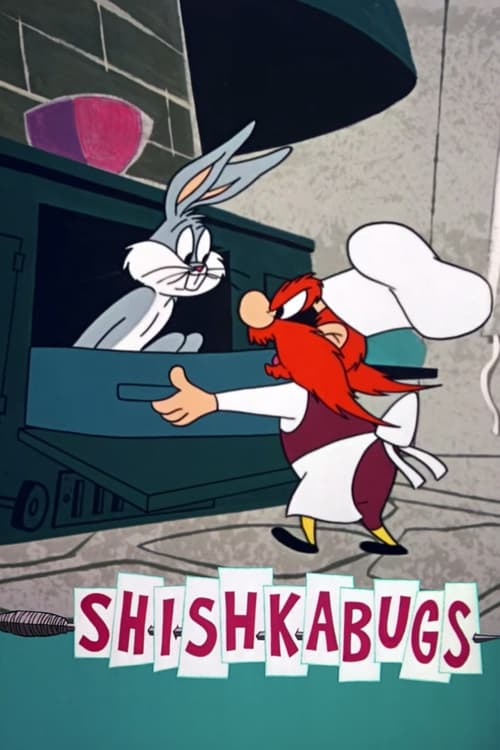
1962
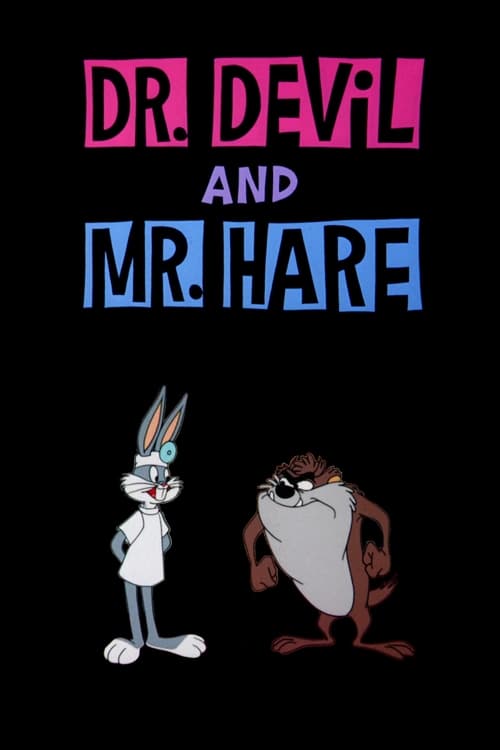
1964

1950
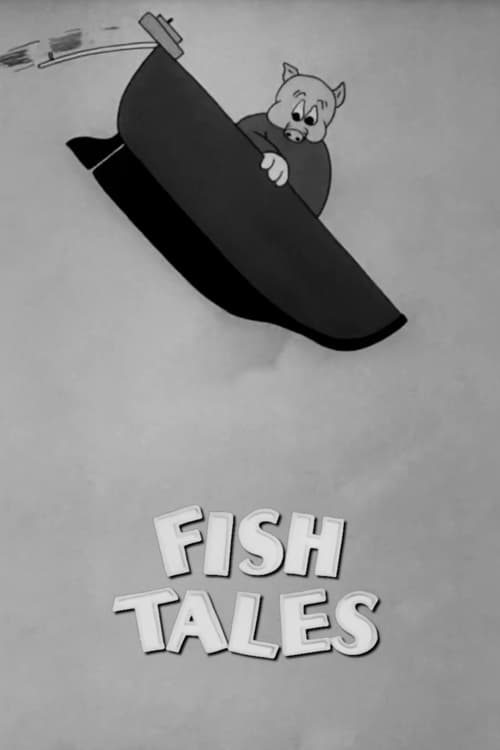
1936
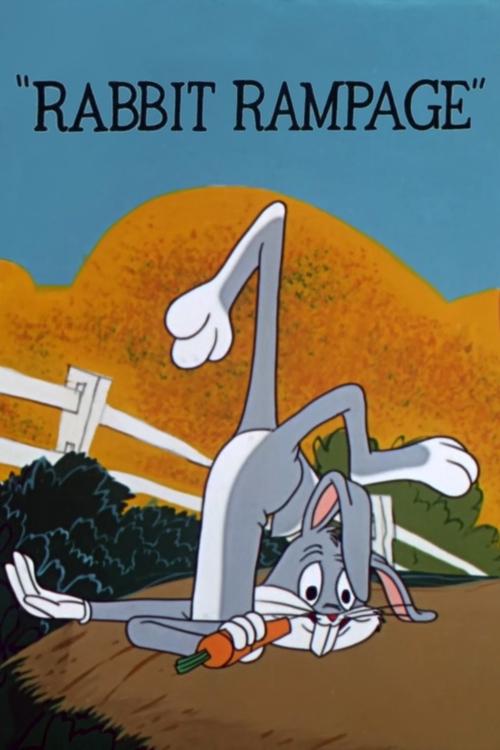
1955
No reviews yet. Be the first to share your thoughts on this movie!
Use the rating form above to leave a star rating and optional review.