The Hep Cat
1942
No user ratings available yet
Diversity score: 1.6 out of 10
1937
Director
Robert Clampett
Runtime
7 minutes
Average Rating
No ratings yetSynopsis
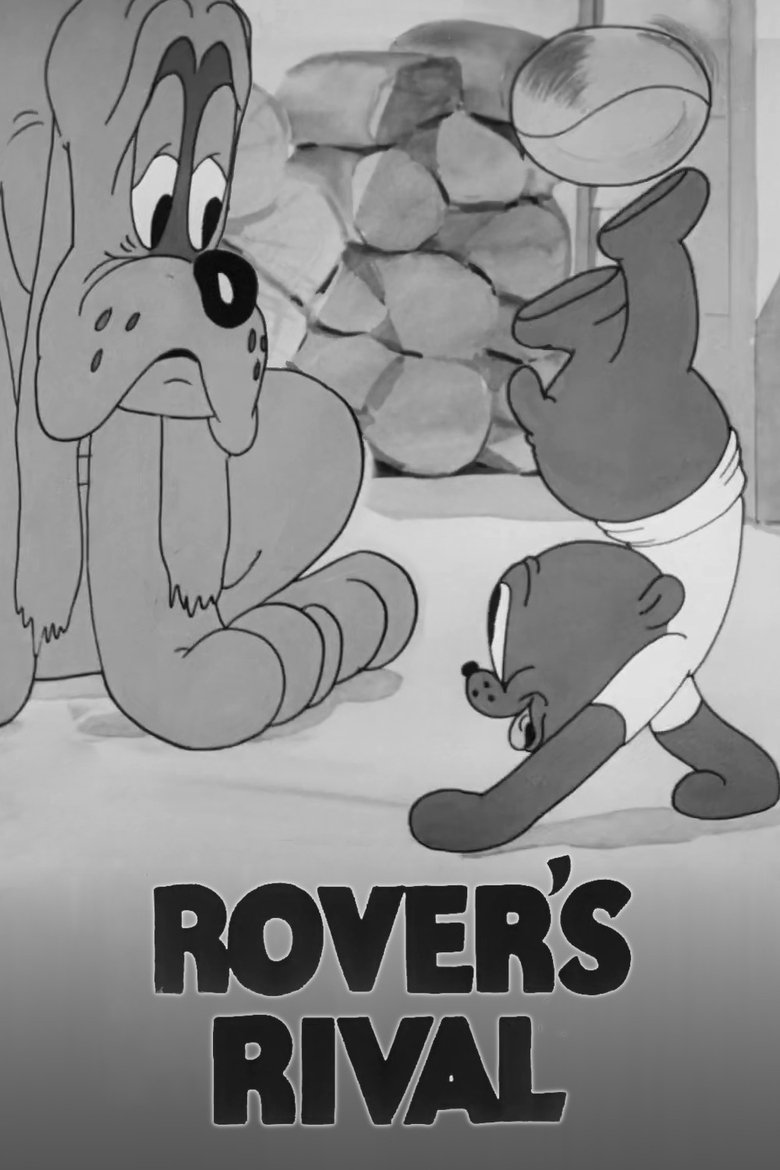
Porky reads a book of new dog tricks; unfortunately, his dog, Rover, is old. A puppy comes by and taunts him.
Overall Score
Minimal
Category Breakdown
LGBTQ+ Representation
The film focuses on interspecies domestic dynamics and traditional comedic conflict. There is no evidence of queer-coded subtext or non-cisnormative identities.
Gender Representation
Character dynamics center on a male protagonist and his pets. The narrative adheres to 1930s archetypes without subverting gender hierarchies or providing nuanced expression.
Racial & Ethnic Diversity
The film lacks visible racial diversity in its primary cast. The focus remains on anthropomorphic animals and a singular protagonist, reflecting the era's homogeneous standards.
Religious & Cultural Diversity
The story reinforces traditional domestic structures and mid-century values. It functions as a standard character-driven comedy centered on maintaining household order.
Disability Representation
Rover's old age is used primarily as a comedic device. The film lacks nuanced explorations of aging, neurodivergence, or characters with disabilities possessing agency.
Strengths
Areas for Improvement
AI Analysis
Rover's Rival is a product of its 1937 historical context, utilizing the standard, homogeneous narrative architectures of early American animation. The story relies on classic comedic tropes and anthropomorphic characters to drive its plot. While the film provides high-energy slapstick, it lacks intentionality regarding intersectional representation. The character dynamics are narrow, focusing on a singular protagonist and his pets within a traditional domestic setting. Ultimately, the work reflects the era's conventional casting and social standards, offering little in the way of diverse perspectives or subverted social hierarchies.
1942
1938
1944
1953

1954
1935

1949
1939
1935

1950
1962
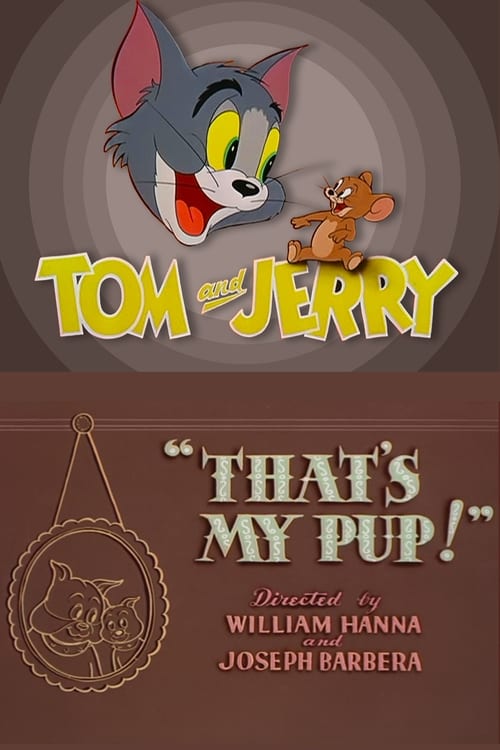
1953
No reviews yet. Be the first to share your thoughts on this movie!
Use the rating form above to leave a star rating and optional review.