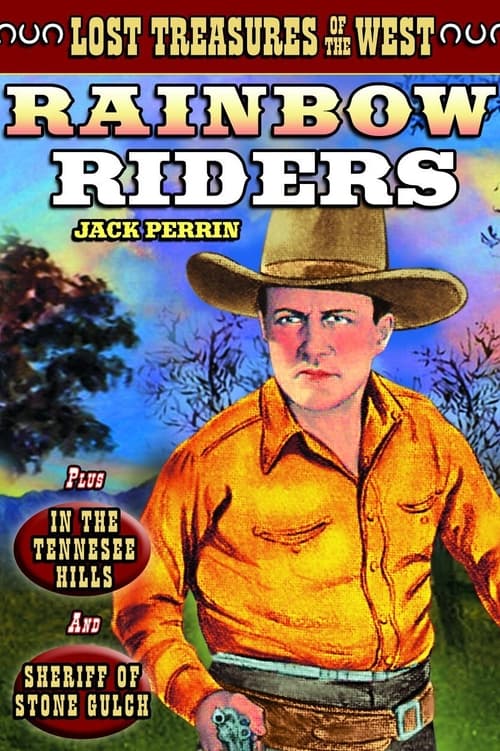
Rainbow Riders
1934
No user ratings available yet
Representation score: 1.1 out of 10
Representation Score
Minimal
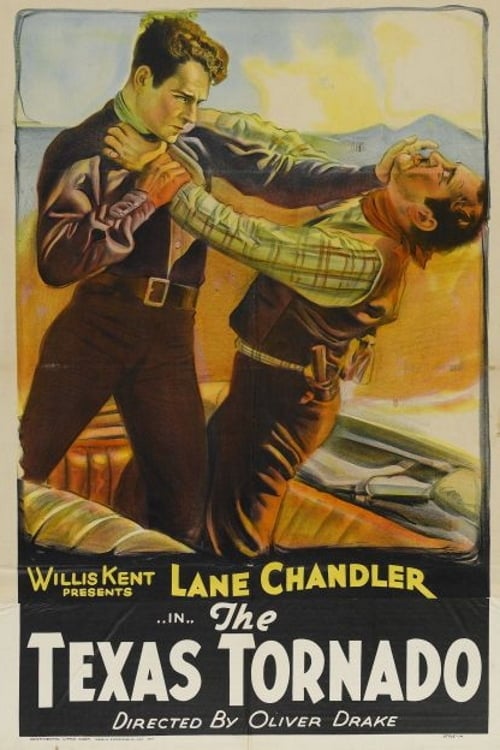
1932
PassedDirector
Oliver Drake
Runtime
53 minutes
Average Rating
No ratings yetNew Showbiz Analysis
Texas Tornado is a standard 1930s Western that adheres strictly to the genre conventions of its era. The story centers on a male protagonist, Tex Robbins, performing undercover work to dismantle a criminal gang, which prioritizes traditional masculine archetypes and physical authority. The film reinforces existing social hierarchies rather than challenging them. It lacks representation for LGBTQ+ identities, diverse racial groups, or female characters with significant roles, instead presenting a homogeneous view of justice and social order. Ultimately, the production functions as a traditional genre piece, relying on established clichés of law enforcement and moral binaries typical of early sound-era filmmaking.
Category Breakdown
The film focuses on a male-centric conflict between a Texas Ranger and a criminal gang. There are no depictions of LGBTQ+ identities or same-sex intimacy.
The plot is driven entirely by male characters engaging in physical combat. It reinforces traditional masculine hierarchies and lacks female characters with meaningful roles.
The narrative appears to reflect the homogeneous social structures of 1932. It centers on Anglo-Saxon protagonists without evidence of racial diversity or blended backgrounds.
The story promotes traditional Western values and the triumph of law and order. It follows a clear moral binary that supports established social institutions.
There is no mention of characters with visible or invisible disabilities in the narrative.
Present on Screen
Limited or Absent
Official Synopsis
Tex Robbins, a Texas Ranger, posing as "Wolf" Cassidy, a notorious Chicago gangster, works his way into the rustling gang and hideout of "Three-Star" Henley, but his plans go wrong and he has to fight his way to victory.
1934
1933
1936
1930
1935
1929
1941
1953
No reviews yet. Be the first to share your thoughts on this movie!
Use the rating form above to leave a star rating and optional review.