
Code of the West
1929
No user ratings available yet
Representation score: 0.6 out of 10
No Poster Available
Representation Score
Minimal
1928
PassedDirector
J.P. McGowan
Runtime
44 minutes
Average Rating
No ratings yetNew Showbiz Analysis
Arizona Days is a traditional silent Western that adheres to the socio-cultural norms of 1928. The story emphasizes traditional hierarchies of law, property, and gender, without challenging the era's social structures. The film centers on masculine pursuits and the protection of established economic interests. By focusing on a male detective taking down a bandit gang, it reinforces the archetype of the male protector and the importance of institutional order. Overall, the film functions as a standard genre piece. It lacks diverse representation across gender, race, and identity, reflecting the limited social perspectives common to early 20th-century filmmaking.
Category Breakdown
The film does not include any representation of LGBTQ+ identities or same-sex relationships. It follows the assumption that everyone is straight and cisgender, which was common in 1920s Westerns.
The story focuses on a male protagonist who performs traditional law enforcement roles. The plot reinforces masculine stereotypes through detective work and infiltrating a criminal gang.
The film likely reflects the casting practices of the silent film era by centering Anglo-Saxon protagonists. It does not feature diverse casting and may rely on era-specific racial clichés.
The narrative supports the idea of maintaining property rights by focusing on a Cattlemen’s Association protecting land. It upholds established capitalist interests without questioning them.
There is no indication that disability or neurodivergence plays a role in the story or character development.
Present on Screen
Limited or Absent
Official Synopsis
A Cattlemen´s Association hires a detective (Bob Custer) to look into a series of cattle rustlings. To dismantle the plot, an undercover agent will be infiltrating the gang as a bandit.
1929
1929
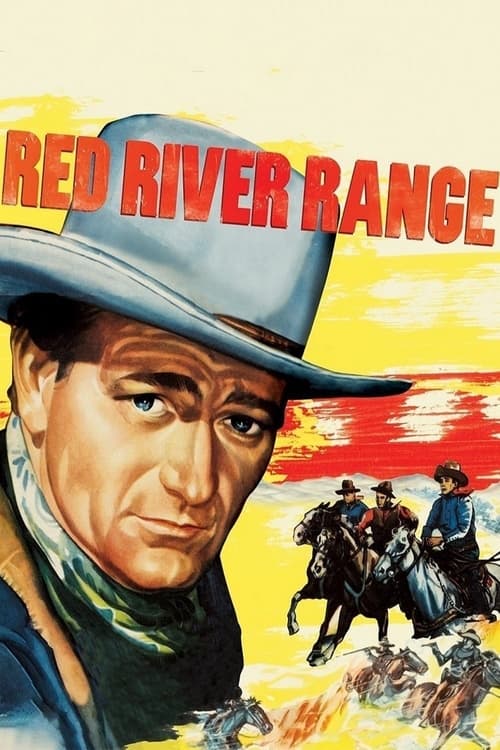
1938
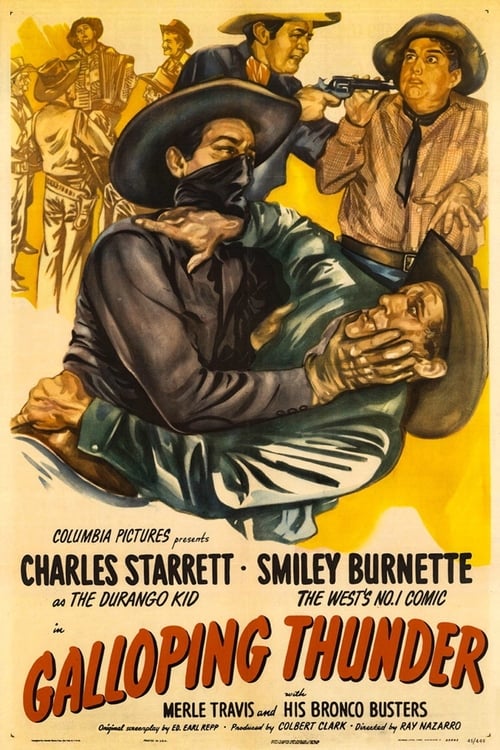
1946
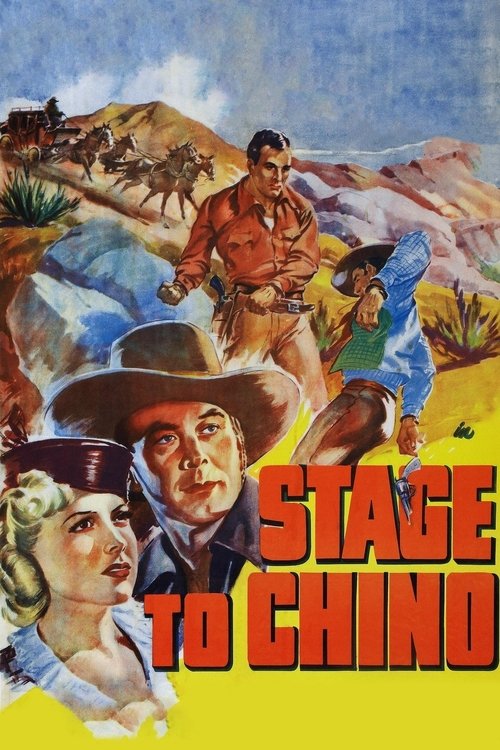
1940
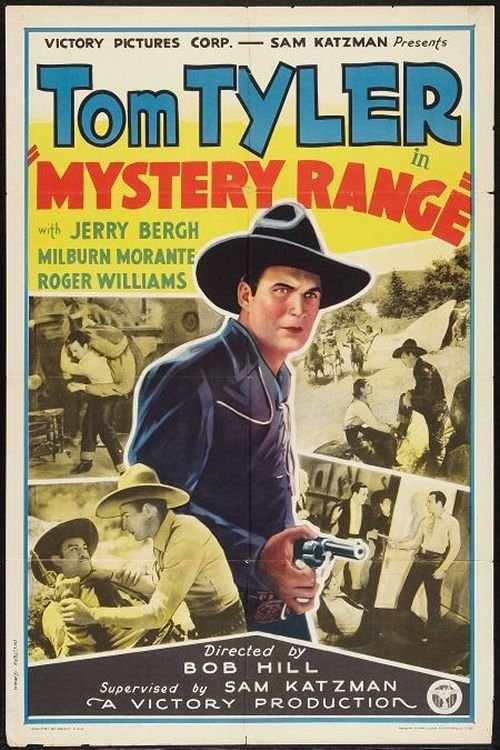
1937

1929
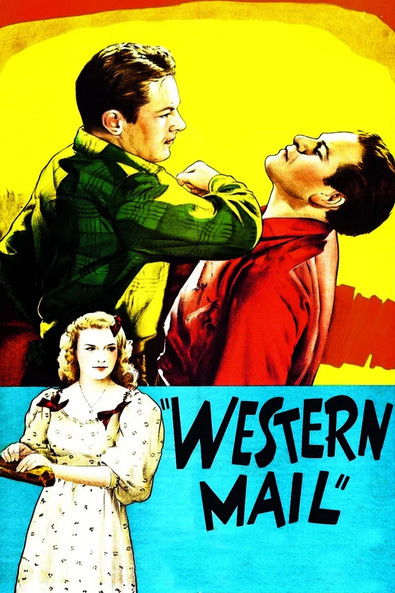
1942
No reviews yet. Be the first to share your thoughts on this movie!
Use the rating form above to leave a star rating and optional review.